Are Buy Now, Pay Later Cards a Better Option?

Buy now, pay later cards are not automatically better than credit cards or installment loans. They may help with predictable short-term purchases, but they can also make spending feel smaller than it is, create multiple due dates, and complicate refunds, disputes, and budgeting. BNPL Card…
Buy now, pay later cards are not automatically better than credit cards or installment loans. They may help with predictable short-term purchases, but they can also make spending feel smaller than it is, create multiple due dates, and complicate refunds, disputes, and budgeting.
BNPL Card Reality Check
- BNPL works best when the purchase is planned and the repayment dates fit cash flow.
- Credit cards may offer broader protections or rewards, but they can become costly when balances revolve.
- The safer choice depends on terms, fees, reporting, dispute rules, and personal repayment behavior.
What People Mean by BNPL Cards
Buy now, pay later products let consumers split purchases into installments. Some are offered at checkout, some operate through apps, and some card-like products connect installment features to broader spending. The exact legal structure and consumer protections can vary by provider and product.
The CFPB maintains a BNPL compliance resource that reflects the agency’s view that certain BNPL products can involve consumer-credit protections. Because this area has continued to develop, consumers should read current provider disclosures before assuming how disputes, refunds, billing statements, or reporting will work.
A BNPL card may feel simpler than a credit card because the payment schedule is visible at checkout. That simplicity can be helpful, but it can also hide the bigger question: does the consumer have enough future cash to cover every installment without borrowing elsewhere?
Where BNPL Can Be Useful
BNPL can be useful for a planned purchase when the total price is already affordable and the installments fit expected income. It can also help consumers avoid revolving interest if the plan is paid exactly as agreed and no fees apply. That is a conditional benefit, not a guarantee.
BNPL may also appeal to people who want a fixed payoff schedule instead of a flexible credit card balance. The schedule can create discipline because the purchase is divided into specific payments rather than left to minimum-payment behavior.
For consumers comparing payment choices, the article on how to use budgeting apps without ignoring the basics is relevant because BNPL repayment dates should be treated like bills, not casual reminders.
Where BNPL Can Create Risk
BNPL can create risk when consumers stack several plans at once. Each payment may look small, but the combined obligations can crowd out rent, groceries, utilities, or savings. The risk is higher when plans are spread across different providers and apps.
Refunds and disputes can also be confusing. If a product is returned, the consumer may still need to follow the BNPL provider’s process and the merchant’s process. If a payment is due while a dispute is unresolved, the consumer should check the provider’s written policy rather than assume payments automatically stop.
BNPL may also affect credit differently depending on the product and reporting practices. Some plans may not build traditional credit history, while missed payments or collections can still cause harm. Terms must be checked product by product.
BNPL vs. Credit Card vs. Waiting
The decision should compare three choices: BNPL, a credit card, and delaying the purchase. Waiting is often ignored, but it can be the cheapest option when the purchase is not urgent. Credit cards may offer rewards or dispute rights, but carrying a balance can be expensive. BNPL may offer structure, but multiple due dates can be harder to manage.
The article what to do if a charged-off debt reappears is not about BNPL specifically, but it explains why small unpaid balances should not be ignored. Any unpaid credit obligation can become more complicated once it moves into collections.
Consumers should compare the total amount paid, late-fee rules, autopay requirements, dispute process, refund handling, credit reporting, and account closure terms. A product that looks convenient at checkout may be less convenient after a return, missed payment, or income delay.
Questions to Ask Before Using BNPL
Ask whether the purchase is necessary, whether the full price could be paid today, and what bill will be harder to pay if the installment date arrives at a bad time. Then check whether the provider charges late fees, reports to credit bureaus, or restricts future use after a missed payment.
Ask how returns work. A clear return policy is especially important for travel, electronics, furniture, and clothing purchases where refunds or exchanges may take time. Keep screenshots or confirmations, but remember that merchant promises and financing-provider policies may not be identical.
Finally, ask how many open plans already exist. If the answer requires checking several apps, that is a sign the system may be too fragmented.
How to Keep Installments From Becoming Invisible Debt
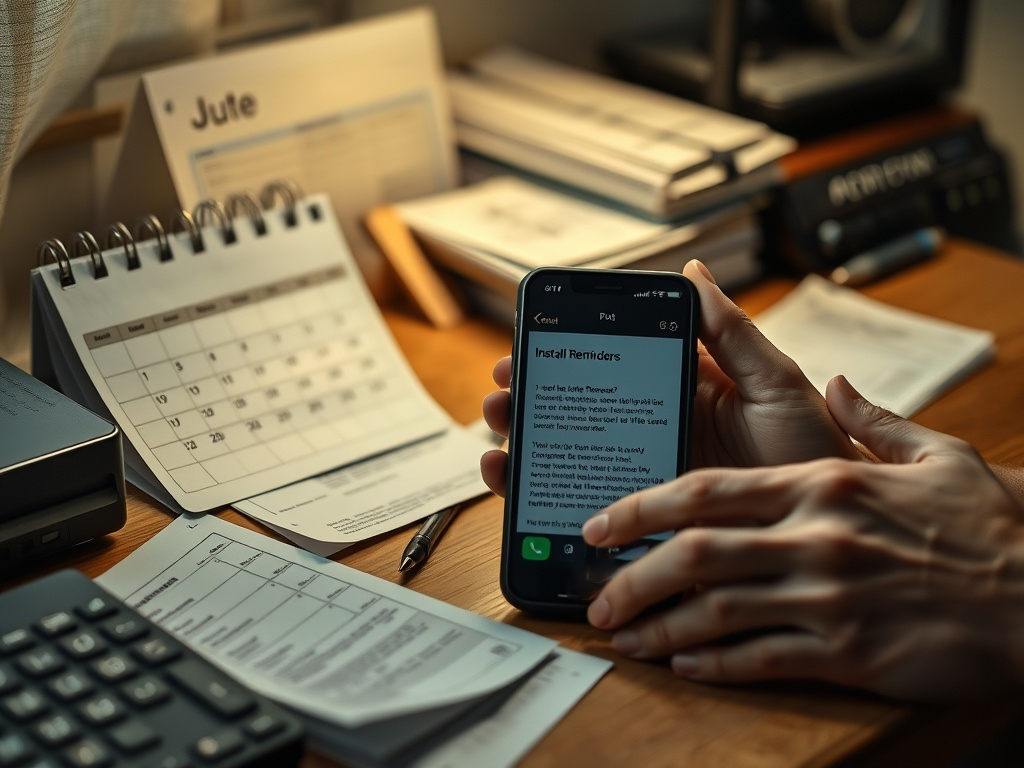
A simple tracking rule can prevent BNPL plans from becoming invisible debt. Write every installment date on the same calendar used for rent, utilities, insurance, and credit card payments. If a purchase requires opening another app to remember the due date, the repayment system is already too scattered.
Consumers should also avoid using BNPL for routine purchases unless the full monthly budget is stable. Splitting groceries, gas, or household basics can be a warning sign when the next paycheck is already committed. Short payment plans can still create long stress if they are used repeatedly.
A useful test is to ask whether the item would still be purchased if the full price had to be paid today. If the answer is no, BNPL may be changing the emotional price rather than improving affordability. Convenience should not replace a budget decision.
A Safer Rule for Returns and Disputes
For return-prone purchases, BNPL deserves extra caution. Clothing sizes, furniture delivery, travel plans, and electronics can involve refunds, partial credits, or merchant delays. Consumers should keep order confirmations, return receipts, provider messages, and screenshots until the balance shows correctly resolved.
If a dispute arises, the consumer should follow the provider’s written process and keep paying attention to due dates unless the provider confirms a pause. A merchant saying ‘we processed it’ may not mean the financing record has already updated.
A Sensible Payment Rule
BNPL can be considered only when the purchase is planned, the payoff dates are known, and the consumer would still be financially stable if income arrived late. If the product is being used to make an unaffordable purchase feel affordable, it is not solving the problem.
Financial services content is for informational and educational purposes only. It does not constitute professional legal, financial, tax, investment, or regulatory advice. Consumers should verify terms directly with the provider and consult qualified professionals when credit issues are complex.
Payment Option Tradeoffs
| Choice | Potential advantage | Main risk |
|---|---|---|
| BNPL | Fixed installment schedule | Multiple due dates can pile up |
| Credit card | Flexibility and possible protections | Revolving balances can become expensive |
| Debit or cash | No new debt | Less dispute leverage in some situations |
| Waiting | Lowest financing risk | Purchase is delayed |

David Kim
Location: Irvine, California David Kim is a cybersecurity expert and former intelligence analyst with deep experience in threat detection, incident response, and risk management. Based in Irvine, David has worked with government agencies, financial institutions, and technology companies to secure critical infrastructure and protect sensitive data. His writing at Nano Write covers cybersecurity strategy, emerging threats, and the regulatory landscape shaping data protection. David holds a degree in Information Security and is a Certified Information Systems Security Professional. He believes that security is not just a technical challenge but a business imperative and his articles help organizations understand and mitigate the risks they face. David is also a volunteer with organizations that promote cybersecurity awareness and education.
More from David