How to Personalize Wellness Stays Around Different Health Goals

Approx. 1117 words A wellness stay should be personalized around realistic goals, preferred activities, recovery needs, and any relevant medical guidance. Relaxation, general fitness, sleep support, spa experiences, and active recovery are different objectives, and a resort should not be treated as a substitute for…
Approx. 1117 words
A wellness stay should be personalized around realistic goals, preferred activities, recovery needs, and any relevant medical guidance. Relaxation, general fitness, sleep support, spa experiences, and active recovery are different objectives, and a resort should not be treated as a substitute for professional medical care.
The Wellness-Stay Ground Rule
- Define a modest, non-medical goal for the trip before comparing programs or packages.
- Choose activities the traveler is likely to enjoy and can participate in safely.
- Treat health claims cautiously and verify practitioner qualifications, program details, and cancellation terms.
Turn a Vague Wellness Goal Into a Travel Goal
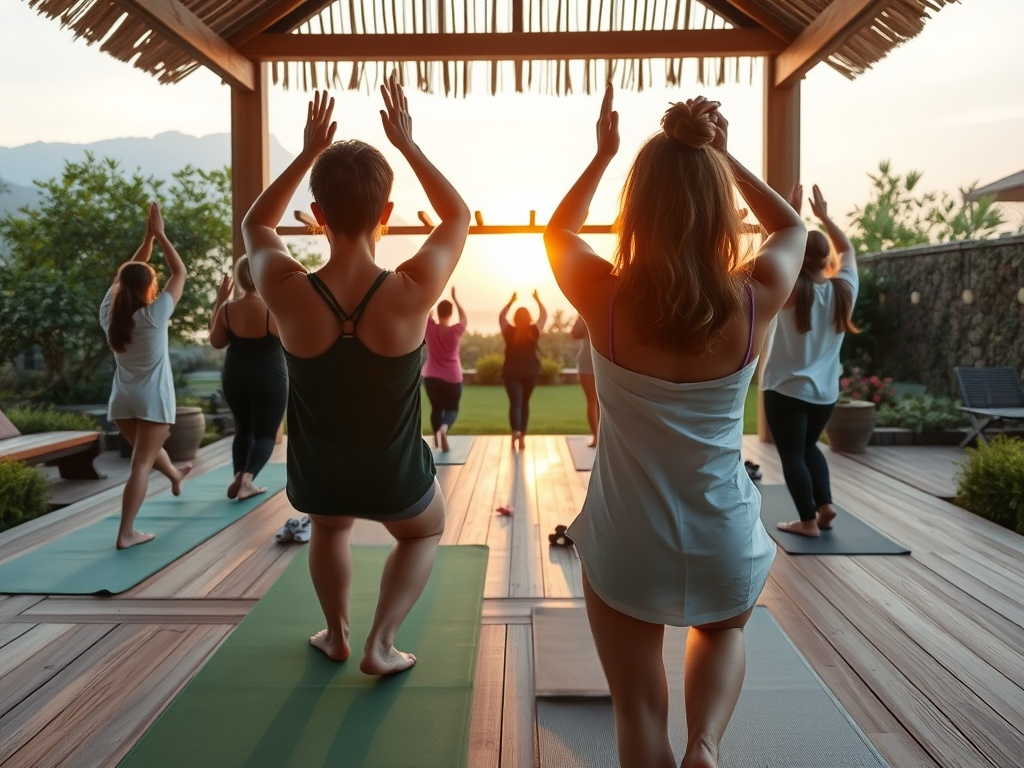
“I want to feel better” is too broad to guide a booking. A more useful goal might be to rest, move daily, spend time outdoors, reduce decision fatigue, try beginner yoga, or build a calmer sleep routine. Those are travel and lifestyle preferences, not treatment promises. If the traveler has a medical condition, injury, pregnancy, or other health concern, appropriate clinical advice should guide activity decisions.
Evidence for wellness practices varies. The National Center for Complementary and Integrative Health overview of yoga notes possible benefits for aspects of general wellness while also discussing the limits of evidence for particular conditions. Travelers should be wary of a resort or provider that turns tentative research into guaranteed health outcomes.
Personalize Wellness by Traveler Type
Couples: Choose a Shared Goal Without Requiring Identical Activities
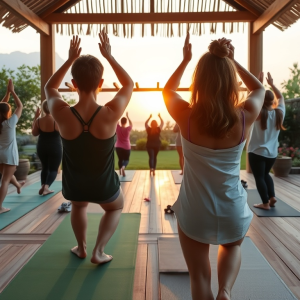
A couple may want relaxation together but prefer different methods. One person may enjoy yoga or spa time while the other prefers swimming, a walk, or quiet reading. Build one shared wellness anchor, such as a morning walk or evening meal, and allow separate choices around it. The trip can still feel connected without making both travelers attend every session.
Families: Make Wellness Practical and Age-Appropriate
Families can define wellness around sleep, outdoor time, swimming, balanced meals, and reduced rushing rather than around adult-oriented spa programming. Check age limits for fitness centers, classes, saunas, hot tubs, and treatments. For younger children, the most useful “wellness” feature may simply be a manageable daily rhythm with safe recreation and enough rest.
For water-based activity, the CDC healthy swimming guidance provides safety information for pools and natural bodies of water. Use those principles alongside the property's current rules when deciding which facilities fit each traveler.
Solo Travelers: Use Structure to Support the Goal, Not Fill Time
A solo wellness trip can make it easier to follow a personal rhythm, but it does not need to be packed with classes. Choose one or two daily anchors and leave space for rest. If the traveler prefers social connection, small-group activities may be useful; if solitude is the goal, confirm that the property has quiet areas and flexible dining that do not require a group schedule.
Business and Bleisure Travelers: Keep Wellness Simple
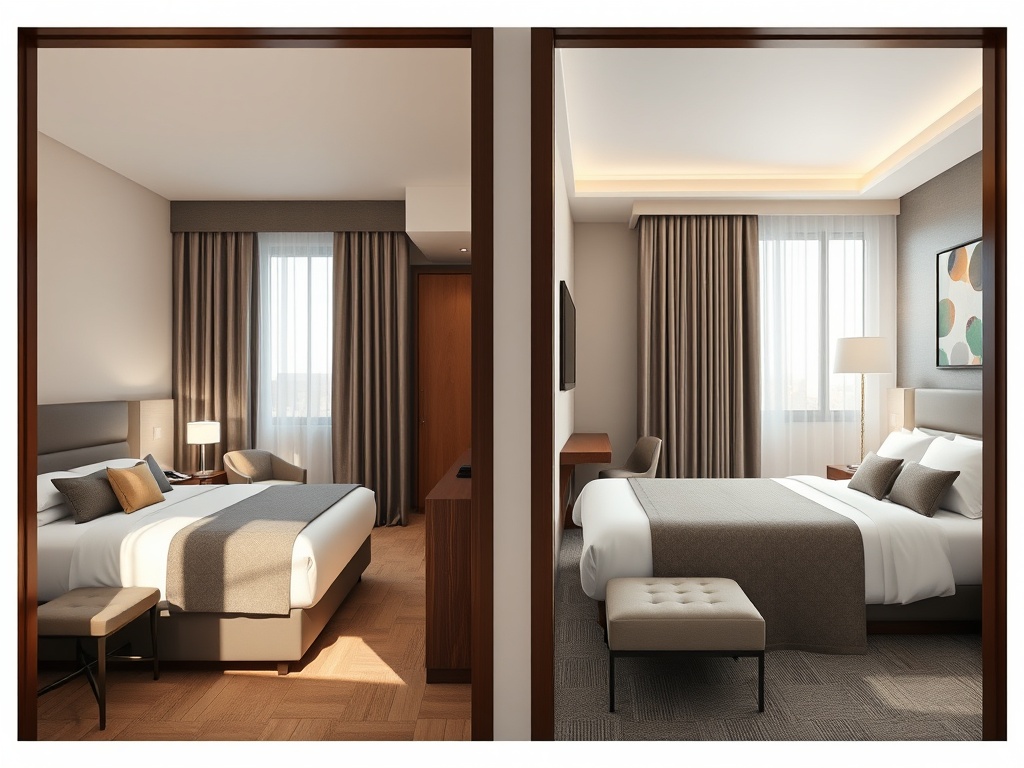
Business guests may benefit most from low-friction wellness choices such as a usable fitness room, a walkable area, a pool, healthy meal options, and a quiet sleeping environment. A complicated retreat program may conflict with work. If the stay extends into leisure days, more structured activities can be added after professional commitments end.
A Wellness-Stay Personalization Matrix
The matrix keeps the trip goal practical and helps travelers avoid choosing a program simply because it sounds comprehensive.
| Traveler goal | Useful stay feature | Good schedule pattern | Question to ask | Claim to treat cautiously |
|---|---|---|---|---|
| Rest and reset | Quiet room, low-friction meals, calm spaces | Few commitments and more downtime | What can remain flexible? | Guaranteed stress or sleep outcomes |
| General fitness | Gym, pool, walking or classes | Daily moderate movement plus recovery | What are class levels and age limits? | Rapid transformation claims |
| Couples wellness | Shared activity plus individual options | One joint anchor each day | Can activities be booked separately? | One-size-fits-all programs |
| Family wellness | Safe recreation and practical routines | Active blocks plus rest | What is age-appropriate and supervised? | Adult treatment concepts applied to children |
| Bleisure recovery | Convenient movement and sleep support | Work first, short wellness windows | What is open early or late? | Medicalized claims without clinical basis |

Use Evidence-Based Activity Guidance as a Reference Point
The Physical Activity Guidelines for Americans provide evidence-based public-health guidance on physical activity. A resort stay can make movement enjoyable, but travelers do not need to chase a dramatic short-term target. Choose a level that fits current ability and the rest of the trip, and use qualified advice when individual health circumstances require it.
Combine Wellness With the Right Travel Style
Premium resorts often package wellness with dining, spa services, private space, and personalized service. The guide to personalizing luxury stays by travel style can help decide which of those premium elements actually supports the traveler's goal rather than simply increasing the package price.
Let the Schedule Protect Recovery
A wellness trip can become counterproductive when every class, treatment, excursion, and meal is fixed. The approach in building a resort schedule around traveler types helps preserve downtime and match activities to energy instead of filling open space automatically.
Adapt Outdoor Wellness to the Environment
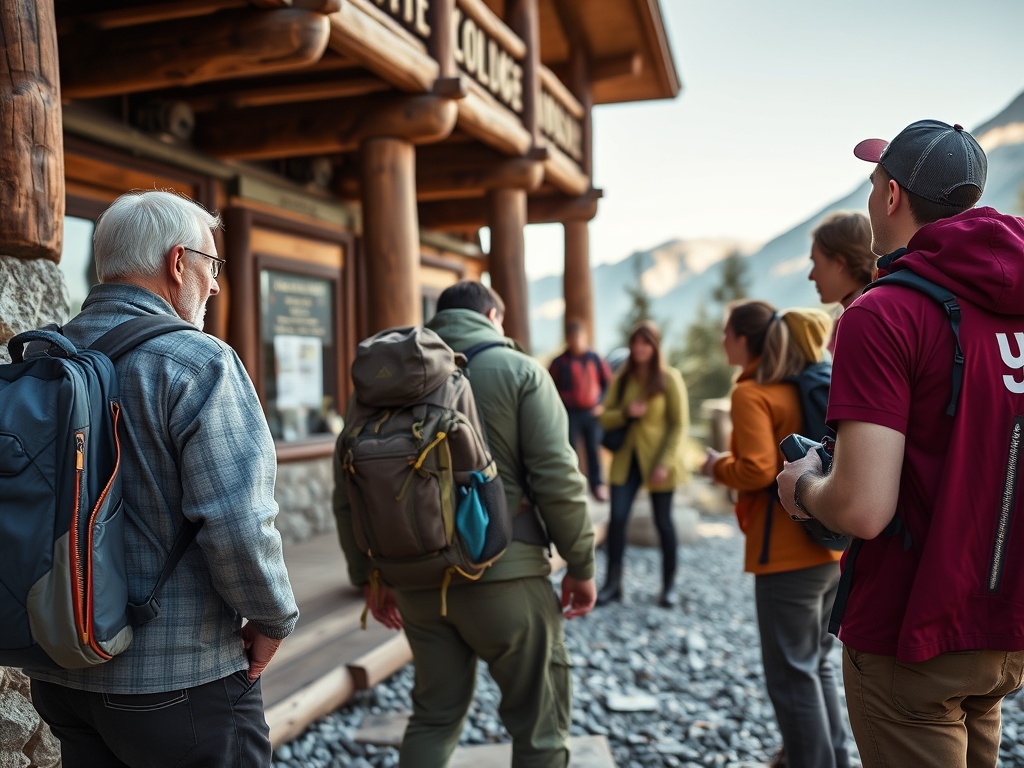
For hiking or high-elevation trips, combine wellness goals with the safety considerations in personalizing mountain stays by ability and activity level. Altitude, weather, terrain, and recovery needs can alter what feels like an appropriate amount of exercise.
Review Spa and Fitness Offerings With Practical Questions
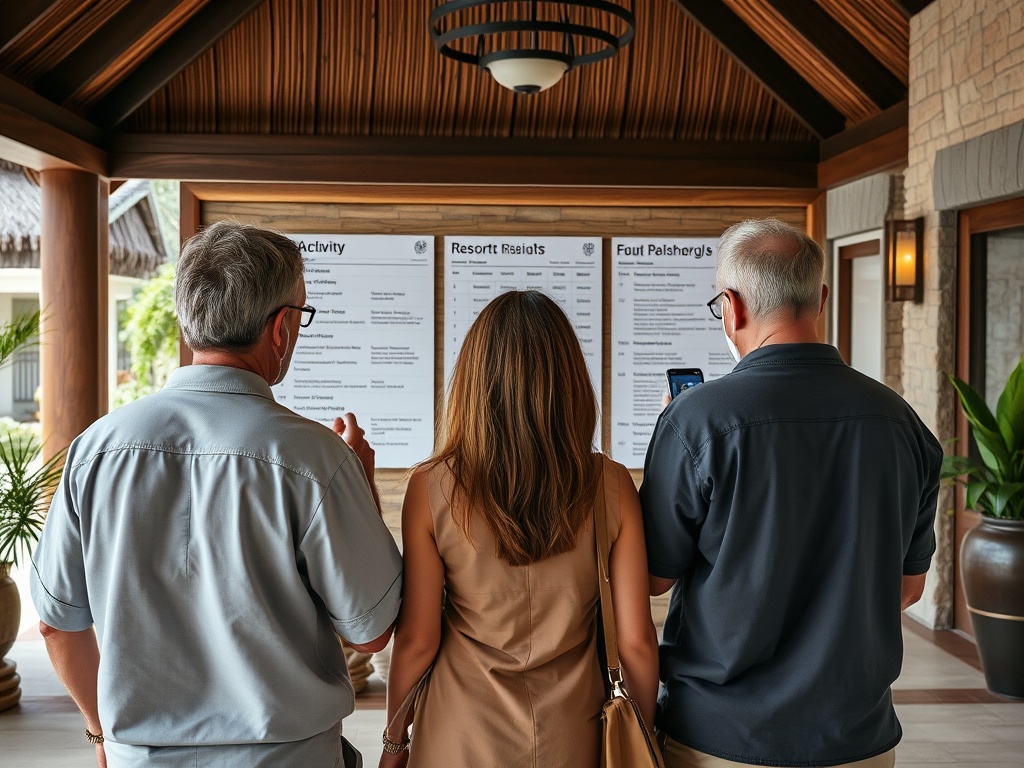
For spa treatments, classes, and fitness sessions, ask about practitioner credentials where relevant, session length, intensity level, contraindication information, age limits, cancellation deadlines, and what equipment is provided. A polished treatment description is not a substitute for understanding who delivers the service and whether it is appropriate for the traveler.
Wellness packages can also create pressure to use everything included. Compare the package with booking activities individually. If the traveler would skip half the program, a simpler room rate plus selected services may better support a relaxed trip.
Food and hydration can be part of the practical plan without turning the resort into a treatment program. Check meal timing, availability of simple options, access to drinking water, and how the dining schedule fits planned exercise or spa sessions. These details support comfort even when the trip has no specific nutrition objective.
Choose a Wellness Stay That Makes Modest Goals Easier
Before booking, verify the program schedule, practitioner credentials when relevant, activity levels, age restrictions, cancellation policies, and what is included in the rate. Favor properties that make the traveler's chosen habits easier without promising medical results. A useful wellness trip creates time and conditions for rest or healthy routines; it does not need to claim a transformation.

James Park
<b>Location:</b> Ann Arbor, Michigan James Park is a robotics engineer and automation specialist with a focus on industrial applications of AI and machine learning. Based in Ann Arbor, home to leading robotics research, James has worked on autonomous systems, warehouse automation, and collaborative robots for manufacturing and logistics. His writing at Nano Write covers the technology and business of robotics, from hardware design to software integration to workforce implications. James holds a degree in Mechanical Engineering and is a passionate advocate for human-robot collaboration he believes that automation should augment, not replace, human capability. His articles offer a balanced, informed perspective on the future of work in an increasingly automated world. James also mentors engineering students and competes in robot design challenges.
More from James