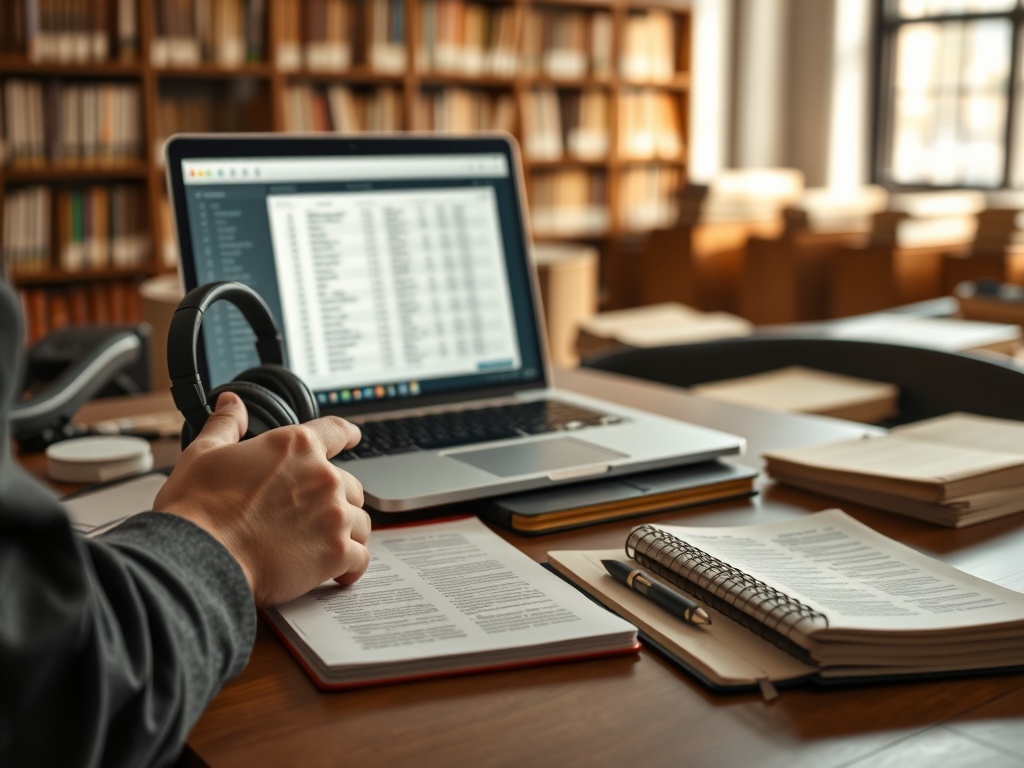
Best Places to Find Archived Interviews, performances, and press appearances

The best places to find archived interviews, performances, and press appearances are public archives, broadcaster collections, university libraries, museum media centers, artist estates, and reputable platform channels. Start with official or archival sources first, then use fan uploads only as leads unless rights and provenance…
The best places to find archived interviews, performances, and press appearances are public archives, broadcaster collections, university libraries, museum media centers, artist estates, and reputable platform channels. Start with official or archival sources first, then use fan uploads only as leads unless rights and provenance are clear.
At a Glance: Search Archives Before Random Uploads
Archived media is scattered because interviews and performances were created for radio, television, magazines, festivals, press kits, streaming platforms, and local stations. The search works best when you know the person, date range, program name, venue, and media type.
A researcher looking for a musician’s radio interview should search differently from someone seeking a red-carpet press clip, a festival Q&A, a television performance, or a podcast appearance. The archive type matters.
Library of Congress and Public Collections
The Library of Congress Recorded Sound Research Center explains that it digitizes sound recordings including commercial music, radio broadcasts, interviews, and other audio through its digital collections. For U.S.-related cultural history, it is a strong first stop, especially for older recordings and public collections.
Public archives may not always provide instant online playback. Some materials require reading room access, rights review, or catalog requests. Still, catalog entries can confirm that an interview or performance exists, which is valuable for serious research.
If you are building experience in cultural institutions, How to volunteer at a museum and build real experiencecan help explain why archives rely on careful cataloging, preservation, and public service workflows.
Internet Archive for Moving Image and Web Clues
The Internet archive moving image collection can be useful for public-domain films, community uploads, television fragments, concerts, interviews, and historical clips. Its strength is breadth. Its weakness is uneven metadata and rights clarity.
Use it as a discovery tool. Search names with alternate spellings, program titles, venues, and dates. Check uploader notes, file dates, and source descriptions. If a clip matters for publication, verify it elsewhere before treating it as authoritative.
Paley Archive for Television and Radio History
The Paley archive is a major media collection with television and radio programs across more than a century of broadcasting. It is especially useful when researching talk-show appearances, televised performances, public affairs interviews, comedy, drama, and broadcast history.
Because many items involve rights restrictions, access may be catalog-based or in-person. That can frustrate casual searchers, but it is common in professional media archives. The catalog itself can still help confirm titles, dates, networks, and episode details.
| Archive type | Best for | Watch for |
|---|---|---|
| National library | Historical audio, oral history, public collections | Access limits and rights status |
| Media museum | TV and radio appearances | In-person viewing rules |
| Broadcaster archive | Official interviews and performances | Region locks or platform changes |
| Artist channel | Recent official clips | Promotional edits and missing context |
| Fan upload | Leads and rare fragments | Unverified dates, rights, and edits |
Broadcaster and Music Session Archives
For music performances, official broadcaster collections are often cleaner than random reposts. NPR’s Live Sessions collects public radio performances and concerts, and NPR Music’s official channels can be useful for Tiny Desk and field recordings.
For actors, directors, authors, and artists, look at festival YouTube channels, museum programs, university lecture series, public radio interviews, and official publisher or studio channels. Search by event title as well as name. A clip may be titled by the program, not the guest.
This kind of visual and contextual search also matters in fandom and pop culture collecting, where people often display what they find. For a related angle on collectors and cultural objects, see How Insurance Works for Collectors lending art to exhibitions.
How to Search More Precisely
Start with a search string that includes the person’s name in quotation marks, plus one media term: interview, performance, press conference, Q&A, panel, appearance, radio, television, archive, transcript, or oral history. Then add date ranges, album titles, film titles, book titles, festivals, venues, or broadcasters.
Try alternate names. Musicians may appear under band names, solo names, legal names, or collaborations. Actors may appear under film titles. Authors may appear through book festivals. Directors may appear in museum programs or university lectures.
Check Provenance Before You Trust the Clip
A clip is more useful when you know who recorded it, where it aired, when it happened, whether it is complete, and whether the title is accurate. Beware of reuploaded videos with wrong dates, AI-generated descriptions, clipped context, or fan-made compilations labeled as interviews.
For scholarship, journalism, or professional use, cite the archive record or official source. For personal research, keep a note of the original URL, access date, and any catalog identifier.
Press Appearances Need Context
Press tours often produce many short clips. A celebrity may repeat similar answers across outlets. Do not treat one brief answer as a full artistic statement unless it is clearly contextualized. For cultural interpretation, distinguish between what the person said, what the interviewer asked, and what fans or critics later inferred.
A Practical Research Path
Search official archives first, then broadcasters, then event channels, then library catalogs, then platform searches, then fan uploads as leads. Save records as you go. Note uncertain dates. When possible, compare multiple sources before making claims.
Archived interviews and performances can deepen appreciation, but they also require care. Treat each clip as a historical object with source, context, and limits. That habit keeps research useful, respectful, and accurate.
For a live-event version of behind-the-scenes access, How to volunteer at arts festivals and get meaningful behind-the-scenes access explains how volunteering can put you closer to festival operations without relying only on online archives.

Laura Friedman
<b>Location:</b> Boulder, Colorado Laura Friedman is a clean energy entrepreneur and climate tech advisor who has spent her career at the intersection of technology and sustainability. Based in Boulder, a hub for climate innovation, Laura has founded and advised companies in solar energy, battery storage, and carbon capture. Her writing at Nano Write covers the technologies and business models that are driving the transition to a low-carbon economy, from new materials and manufacturing processes to policy and investment trends. Laura holds a Master's in Energy Engineering and is a recognized thought leader in the clean energy space. She believes that innovation is the key to solving the climate crisis and her articles highlight the companies, technologies, and leaders making a difference. Laura is also an avid climber and skier who finds inspiration in the natural world.
More from Laura