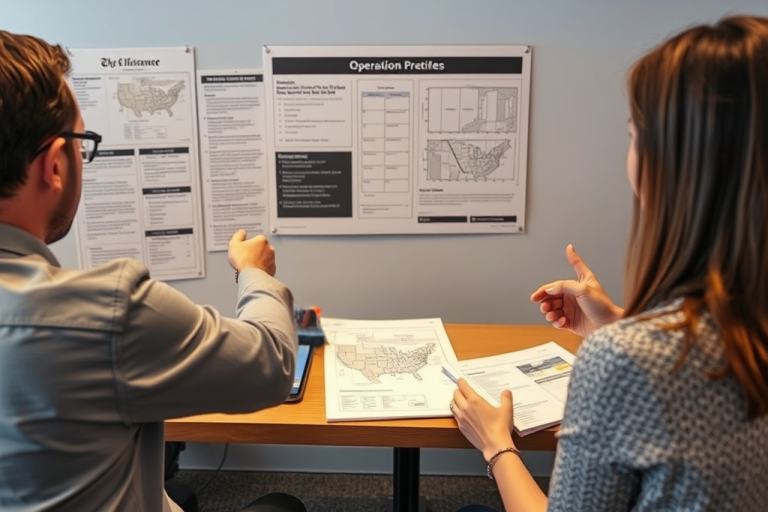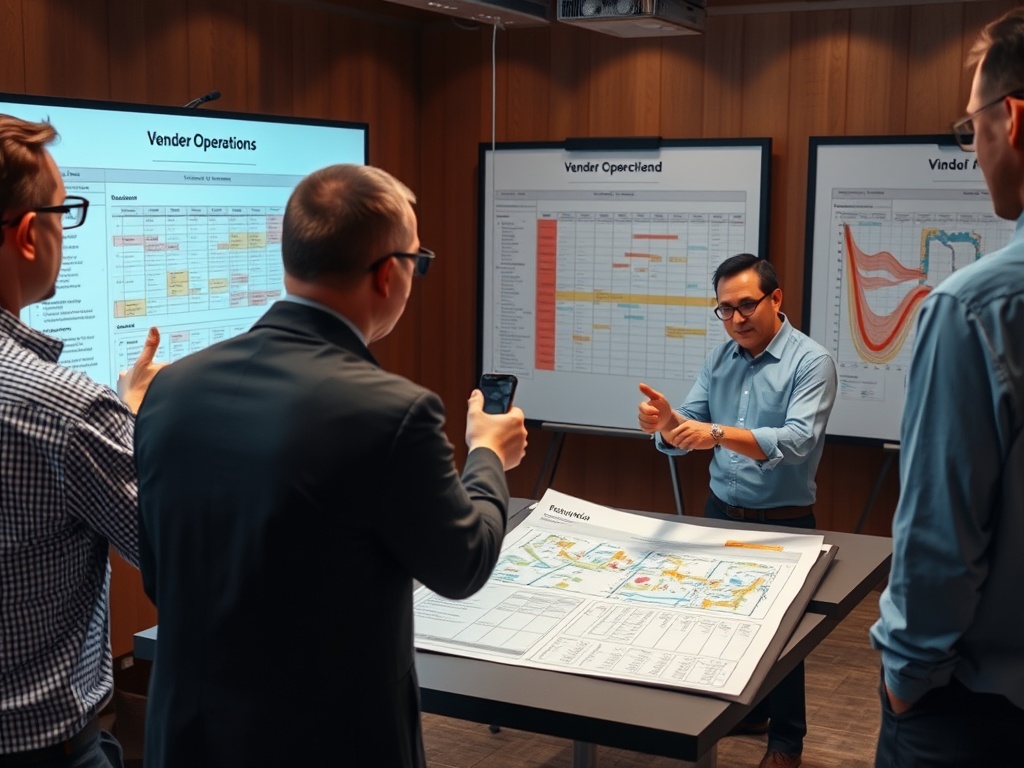
Vendor Scheduling Mistakes That Lead to Dock delays and setup overruns

Vendor scheduling problems usually happen when teams treat load-in as a simple arrival window instead of a controlled sequence of dock access, equipment movement, approvals, staging, setup, testing, and cleanup. Preventing delays starts with a shared schedule that reflects real dependencies. Key Takeaways Dock delays…
Vendor scheduling problems usually happen when teams treat load-in as a simple arrival window instead of a controlled sequence of dock access, equipment movement, approvals, staging, setup, testing, and cleanup. Preventing delays starts with a shared schedule that reflects real dependencies.
Key Takeaways
- Dock delays often come from unclear arrival windows, missing credentials, oversized deliveries, incomplete venue rules, and unrealistic setup sequencing.
- The schedule should separate truck arrival, dock access, unloading, staging, build, testing, and removal.
- A strong load-in plan gives each vendor a slot, contact path, backup instruction, and dependency note.
Mistake 1: Giving Every Vendor the Same Arrival Window
The most common scheduling mistake is telling several vendors to arrive at roughly the same time. That feels efficient on paper because everyone is “there early.” In practice, it creates dock congestion, hallway blockage, idle labor, and pressure on venue staff. Catering, audiovisual, exhibit builders, florists, furniture providers, security, cleaning teams, registration vendors, and sponsors do not all need the same access at the same moment. For a connected internal angle, review Zero-Based vs. Historical Event Budgeting, then apply the same decision logic to this section.
A better schedule uses sequenced windows. Heavy build and infrastructure usually come before decor, signage, registration materials, and guest-facing details. Vendors with short setup tasks may not need to compete with trucks carrying large freight. The schedule should reflect physical movement, not just contract deadlines. For a neighboring planning view, the team can compare this step with Zero-Based vs. Historical Event Budgeting before the event concept becomes too fixed.
Mistake 2: Ignoring the Venue’s Real Access Rules
Venue rules can shape the entire operating plan. Freight elevators, loading docks, marshaling yards, union labor requirements, fire lanes, insurance documents, delivery restrictions, security checkpoints, badge rules, and noise limits can all affect vendor movement. If those rules are reviewed after vendors are booked, the team may be forced into rush fees or last-minute changes.
FEMA event planning materials emphasize coordination among parties with functional responsibilities for public events. For vendor scheduling, the same principle means operations teams should confirm access rules with the venue, not rely on assumptions from a previous site. What worked in a hotel ballroom may fail in a convention center, stadium, museum, campus, or outdoor site. Teams working on public-facing or higher-risk events can also reference FEMA special events contingency planning guidance while confirming requirements with organizers and local authorities.
Mistake 3: Forgetting Credential and Paperwork Lead Time
A vendor can be on time and still be unable to enter. Missing certificates of insurance, incomplete crew lists, late parking passes, unsigned facility forms, unapproved rigging plans, and unclear dock instructions can stop progress before unloading begins. These issues are preventable if paperwork deadlines are tied to the load-in schedule rather than left in a separate administrative folder.
Teams should create one vendor readiness tracker that includes arrival time, onsite contact, delivery size, crew count, paperwork status, equipment needs, power needs, internet needs, security requirements, and setup dependency. That tracker becomes the practical bridge between contracts and onsite reality. Teams can also compare this point with Expo Experience FAQ: Answers Event Teams Need Before They Move Forward before moving from planning assumptions into execution.

Scheduling Table for Load-In Control
The table below shows how to translate a generic setup day into a more controlled operating sequence.
Mistake 4: Treating Testing Time as Optional
Event teams often protect build time but compress testing time. That creates problems when screens, microphones, registration devices, lead capture tools, lighting, internet, payment systems, or translation equipment fail close to guest arrival. Testing should be a scheduled vendor activity, not a hopeful final check. For broader professional context, review CISA mass gathering security planning tool and verify current details before making final commitments.
Testing windows should include the people who will use the equipment during the event. A working microphone is not enough if the speaker does not know where to stand. A functional check-in app is not enough if registration staff do not understand exception handling.
Mistake 5: Planning Load-Out Too Late
Load-out can be more chaotic than load-in because everyone wants to leave at once. Suppliers may have other jobs, crews may be tired, waste may need sorting, and venue overtime may be expensive. If the load-out sequence is not planned, the team risks abandoned materials, blocked exits, freight confusion, or damaged equipment.
A clean load-out plan assigns removal order, packing zones, waste responsibilities, return labels, final walk-through ownership, and a cutoff time for each vendor. The plan should also state who has authority to release a vendor. Without that authority, teams may discover missing items after the truck has left. This topic also connects with Best Practices for Email, Social, And Lifecycle Promotion in Modern Event Planning when the team needs a broader planning view.
A Calmer Dock Starts on the Planning Calendar
Vendor scheduling is not glamorous, but it is one of the clearest signs of a mature event operation. The strongest teams do not simply ask vendors when they can arrive. They design the sequence, confirm constraints, document the dependency chain, and give every supplier an onsite path that makes sense.
Less Waiting at the Dock and More Control on Site
Use this guidance as an educational planning reference, not as legal, financial, travel, immigration, insurance, security, or contractual advice. Event details, venue requirements, public-safety rules, ticket access, permits, and schedules can vary widely. Always verify current requirements directly with the official organizer, venue, local authority, insurer, vendor, or qualified professional before making commitments.
As a practical next move, turn the most relevant checklist, table, or decision point above into a short internal brief before your team commits budget, confirms vendors, or promotes the event publicly.

Michael Okafor
<b>Location: </b>Seattle, Washington Michael Okafor is a cloud computing architect and enterprise technology consultant with over a decade of experience helping organizations migrate to and optimize cloud infrastructure. Based in Seattle, a global hub for cloud innovation, Michael has worked with clients across financial services, healthcare, and retail to build resilient, scalable, and secure cloud systems. His writing at Nano Write covers cloud strategy, DevOps, and the emerging technologies that are reshaping enterprise IT. Michael holds a degree in Computer Science and is a certified AWS Solutions Architect. He believes that cloud computing is the foundation of modern business and his articles help technical and non-technical readers understand its potential and pitfalls. Michael is also a mentor in technology bootcamps and speaks at industry conferences worldwide.
More from Michael