Do Carbon-Fiber Upgrades Actually Improve Performance for Most Athletes?

Carbon-fiber upgrades can improve performance for some athletes in some sports, but they are not automatic upgrades for everyone. The benefit depends on fit, event demands, skill level, rules, durability, and whether the athlete can actually use the stiffness or weight savings. TL;DR: Key takeaways…
Carbon-fiber upgrades can improve performance for some athletes in some sports, but they are not automatic upgrades for everyone. The benefit depends on fit, event demands, skill level, rules, durability, and whether the athlete can actually use the stiffness or weight savings.
TL;DR: Key takeaways
- Carbon fiber often helps by reducing weight, changing stiffness, or improving energy return.
- The biggest gains usually appear when the equipment matches the athlete and the event.
- For many recreational athletes, coaching, fit, and consistency may matter more than premium materials.
What carbon fiber actually changes
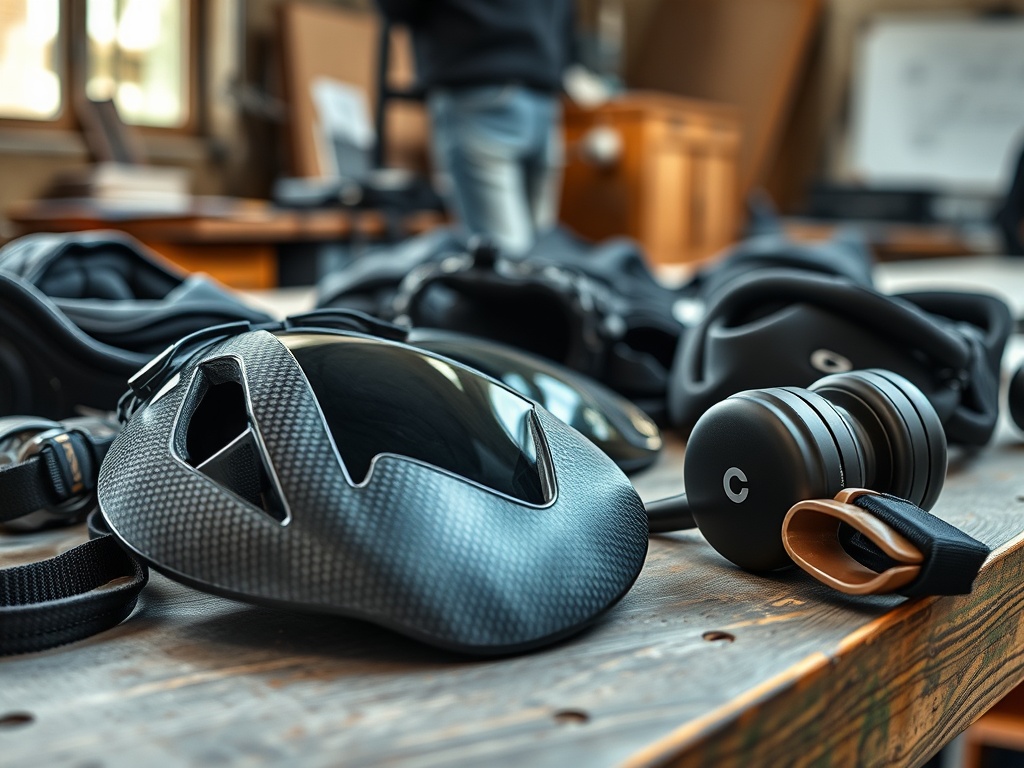
Carbon fiber is valued because it can be light, stiff, and strong relative to its weight. In sport, those traits show up in running shoes, cycling components, racquets, hockey sticks, rowing shells, prosthetic blades, protective gear, and racing equipment. The upgrade is not magic. It changes how force moves through the equipment and how the athlete feels that force.
That makes the decision similar to judging any performance claim. Athletes should ask what problem the upgrade solves and whether that problem is currently limiting them. A beginner who is still building timing, technique, and training habits may gain more from practice structure, as explained in What Is a Rivalry Game and Why Do Rivalries Matter So Much?, than from a premium material swap.
Where the benefits are most plausible
| Use case | Possible benefit | Main caution |
|---|---|---|
| Running shoes | Improved running economy for some athletes when plate, foam, and fit work together. | Can feel unstable, costly, and less useful for easy daily miles. |
| Cycling parts | Lower weight and tuned stiffness can improve feel and efficiency. | Fit, aerodynamics, and rider position may matter more. |
| Racquets and sticks | Stiffness and weight distribution can affect swing speed and control. | Too much stiffness can reduce comfort or forgiveness. |
| Adaptive sports prostheses | Stiffness and shape can influence energy storage and running mechanics. | Must be fitted by qualified specialists for the athlete. |
Research on carbon-plated running shoes continues to evolve. A 2026 review in frontiers in sports and active living discusses biomechanics around carbon plates and highly compliant foams, which is useful because it treats the shoe as a system rather than a plate alone. That distinction matters across sports: material, geometry, fit, and athlete mechanics work together.
Why most athletes should not buy on hype alone
The most common mistake is assuming the professional version is the right version. Elite athletes may have the strength, rhythm, and technical consistency to benefit from a stiffer or lighter product. Recreational athletes may experience a different trade-off: less comfort, reduced control, higher cost, or equipment that is too specialized for normal training.
Another mistake is treating one study or one athlete’s result as universal proof. Even when a technology shows average benefits in a research setting, individuals vary. Body size, speed, mechanics, injury history, surface, event length, and rule constraints all influence whether the equipment helps. A cautious phrase such as “may improve performance for some users” is more honest than a blanket promise.
For fans and beginners, carbon-fiber debates can also overlap with rivalry and fairness conversations. When a technology changes results, people ask whether the advantage is innovation, access, or rule-bending. That broader context connects with How to Improve Timing in Combat Sports Without Sparring Every Day, where sports meaning is shaped by both performance and perception.
A practical buying framework
First, identify the limiting factor. Are you losing time because of fatigue, poor technique, heavy equipment, bad fit, or low training consistency? Second, test before buying whenever possible. A short trial is not perfect, but it reveals comfort problems quickly. Third, compare the upgrade against coaching, recovery, maintenance, and replacement costs. Fourth, check rules for your sport or event.

Budget timing matters. Buy premium gear when you are consistent enough to notice the difference and stable enough technically to use it. For running, that might mean saving carbon-plated shoes for key workouts and races rather than daily mileage. For cycling, it might mean prioritizing position and fit before high-end parts. For racquet sports, it might mean testing string setup or grip size before replacing the frame.
When the upgrade is worth considering
Consider carbon fiber when your current equipment is clearly limiting your event goal, when you can test the upgrade safely, when the rules allow it, and when the cost does not crowd out essentials. It is more compelling for athletes chasing measurable margins than for beginners seeking a shortcut.
Carbon fiber can also play a role in premium fan and corporate experiences when equipment demonstrations, athlete appearances, or high-performance showcases are part of an event. For planning decisions around sports experiences rather than gear, see How to Choose the Right Sporting Event for a corporate outing or group trip.
A smarter way to decide
Carbon-fiber upgrades are real technology, but their value is situational. The right question is not “Does carbon fiber work?” The better question is “Does this specific design solve my specific performance problem better than the alternatives?” Answer that, and the buying decision becomes much clearer.
Before upgrading, write down your current goal, test the gear if possible, and compare the cost against coaching, maintenance, and recovery investments that may produce a larger return.

Laura Friedman
<b>Location:</b> Boulder, Colorado Laura Friedman is a clean energy entrepreneur and climate tech advisor who has spent her career at the intersection of technology and sustainability. Based in Boulder, a hub for climate innovation, Laura has founded and advised companies in solar energy, battery storage, and carbon capture. Her writing at Nano Write covers the technologies and business models that are driving the transition to a low-carbon economy, from new materials and manufacturing processes to policy and investment trends. Laura holds a Master's in Energy Engineering and is a recognized thought leader in the clean energy space. She believes that innovation is the key to solving the climate crisis and her articles highlight the companies, technologies, and leaders making a difference. Laura is also an avid climber and skier who finds inspiration in the natural world.
More from Laura