Ice Baths, Sauna, Compression Boots: Which Recovery Trends Hold Up?

Ice baths, sauna sessions, and compression boots can all have a place in recovery, but none of them replaces sleep, smart training load, nutrition, hydration, and injury management. The best choice depends on the goal: soreness relief, relaxation, circulation support, heat adaptation, or simply building…
Ice baths, sauna sessions, and compression boots can all have a place in recovery, but none of them replaces sleep, smart training load, nutrition, hydration, and injury management. The best choice depends on the goal: soreness relief, relaxation, circulation support, heat adaptation, or simply building a routine an athlete will follow.
TL;DR: Key takeaways
- Ice baths may reduce soreness for some athletes, but they are not ideal after every strength-building session.
- Saunas can support relaxation and heat exposure, but they require hydration and medical caution.
- Compression boots may feel useful, though the practical benefit varies by athlete and context.
Start with the recovery goal, not the trend
Recovery tools are easy to market because they feel active. Sitting in cold water, sweating in a sauna, or wearing compression boots gives athletes the sense that they are doing something serious. That can be helpful, but the tool should match the goal. A sore recreational runner, a tournament athlete between matches, and a strength athlete trying to adapt from heavy training may need different choices.
Recovery also affects skill quality. An athlete trying to improve timing or decision-making will usually learn better when fatigue is managed, which connects this topic with How to Improve Timing in Combat Sports Without Sparring Every Day. Hard practice matters, but hard practice without recovery can turn good drills into survival sessions.
How the major recovery trends compare
| Method | Most common goal | Where caution is needed |
|---|---|---|
| Ice baths or cold plunges | Short-term soreness relief and a feeling of freshness after intense work. | Cold exposure can be risky for some health conditions and may not fit every adaptation goal. |
| Sauna | Relaxation, heat exposure, and post-training decompression. | Hydration, heat tolerance, and medical history matter. |
| Compression boots | Comfort, perceived circulation support, and between-session relaxation. | They should not hide injury signs or replace movement, sleep, or treatment. |
| Basics | Sleep, fueling, hydration, load management, and mobility. | Often ignored because they are less flashy. |
For cold exposure, medical sources such as Cleveland Clinic emphasize safety and practical precautions. That is important because ice baths can feel simple but still place stress on the body. Athletes with cardiovascular concerns, blood pressure issues, cold sensitivity, or other medical questions should get individualized guidance.
Ice baths: useful tool or overused ritual?
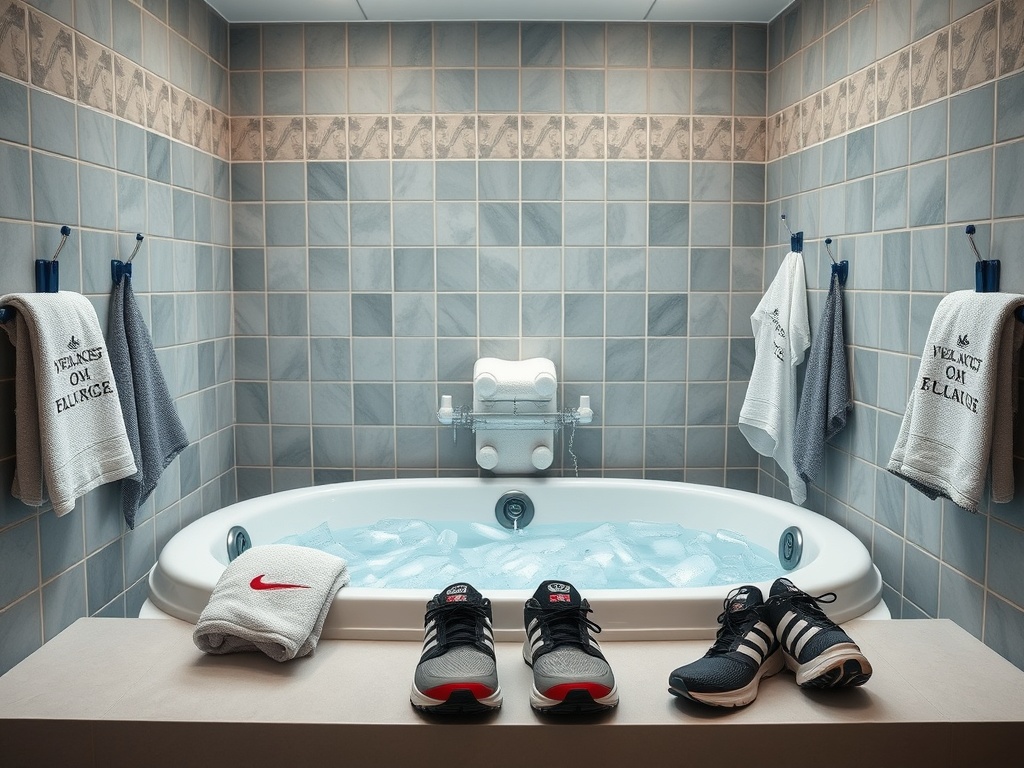
Cold water can reduce the perception of soreness for some athletes, especially after high-volume or tournament-style demands. The trade-off is timing. If the goal is maximum strength or muscle adaptation, using cold exposure immediately after every lifting session may not be the best default for every athlete. If the goal is to feel ready for another match later the same day, the calculation may change.
The honest answer is context. A soccer player in a congested schedule may value feeling less sore. A beginner building muscle may be better served by sleep, protein, and sensible load progression. A combat sports athlete cutting weight or training hard in heat needs extra caution, not a trend copied from social media.
Mental state is part of this too. Athletes sometimes use recovery tools as a ritual to feel in control. That can help, but anxiety and pressure need their own tools as well, which is why Performance Anxiety in Esports: What Competitive Gamers Can Learn From Sports Psychology is a relevant next read.
Sauna and heat: relaxation with rules
Sauna use can support relaxation and heat exposure routines, and many athletes like it because it slows the day down. The risks are also straightforward: dehydration, dizziness, overdoing duration, and ignoring medical conditions. A sauna session after a brutally hot practice may not be the smartest choice. Heat is a training stress, even when it feels restorative.
Compression boots: comfort is not the same as proof
Compression boots may help athletes feel lighter or more relaxed after training. That perceived benefit can matter, especially during tournament weekends or heavy travel. Still, athletes should be careful about treating a pleasant sensation as guaranteed performance improvement. If soreness, swelling, or pain is unusual, compression should not be used to push through a potential injury.
A simple recovery decision tree works well: if you are under-slept, fix sleep first. If you are under-fueled, fix meals and hydration first. If training load jumped suddenly, adjust the plan first. Then choose a tool that supports the goal rather than distracts from the basics.
For families and young athletes, recovery should not become another pressure point. The same balanced approach that helps parents support practice in How to Encourage Practice Without Turning Home Into Another Pressure Zone also applies here: routines should make sport healthier, not more stressful.
Choosing the right tool this week
Use ice baths sparingly when short-term freshness matters. Use sauna when relaxation and heat tolerance fit your health profile and schedule. Use compression boots if they help you unwind and do not replace real care. Above all, protect sleep, fueling, hydration, and gradual training load. Those are less exciting than recovery gadgets, but they are usually the foundation.
Pick one recovery goal before your next hard session, then choose the simplest method that supports it without masking pain or stealing time from sleep.

Laura Friedman
<b>Location:</b> Boulder, Colorado Laura Friedman is a clean energy entrepreneur and climate tech advisor who has spent her career at the intersection of technology and sustainability. Based in Boulder, a hub for climate innovation, Laura has founded and advised companies in solar energy, battery storage, and carbon capture. Her writing at Nano Write covers the technologies and business models that are driving the transition to a low-carbon economy, from new materials and manufacturing processes to policy and investment trends. Laura holds a Master's in Energy Engineering and is a recognized thought leader in the clean energy space. She believes that innovation is the key to solving the climate crisis and her articles highlight the companies, technologies, and leaders making a difference. Laura is also an avid climber and skier who finds inspiration in the natural world.
More from Laura