How Adaptations From Comics to TV Differ From Adaptations to Film

Comic-to-TV adaptations usually have room for serial arcs, side characters, slow reveals, and evolving worlds, while comic-to-film adaptations must compress the source into a sharper two-hour shape. The best format depends on the comic's structure: a contained graphic novel may fit film, but a long-running…
Comic-to-TV adaptations usually have room for serial arcs, side characters, slow reveals, and evolving worlds, while comic-to-film adaptations must compress the source into a sharper two-hour shape. The best format depends on the comic’s structure: a contained graphic novel may fit film, but a long-running comic often benefits from television’s episodic rhythm.
At a Glance: Same Source, Different Screen Logic
Comics, television, and film are all visual storytelling forms, but they organize time differently. Comics let readers control pace across panels. Film builds toward a concentrated arc. Television develops patterns across episodes and seasons.
Academic work on adaptation and seriality has examined comic-book-to-television adaptation as a distinct serial process. That matters because comics often already use serial structures: issue arcs, cliffhangers, spin-offs, reboots, and long character histories. Television can absorb that rhythm more naturally than a single film.
Film Looks for the Cleanest Spine
A film adaptation needs a central conflict, a limited cast, and a satisfying endpoint. Even when it starts a franchise, one film must still feel complete enough for a theatrical or streaming audience. That means filmmakers often merge characters, remove subplots, simplify timelines, or focus on a single origin, mission, relationship, or crisis.
This compression is not automatically a betrayal. It is a format choice. A film cannot reproduce decades of continuity without overwhelming new viewers. It has to choose what the source is “about” for this version.
The same pressure appears in other publishing and media decisions. A book cover, for instance, cannot communicate every theme in a novel. It has to signal the right promise quickly, as discussed in how cover design shapes reader expectations before Page One.
Television Can Follow the Branches
Television can use recurring characters, season arcs, bottle episodes, flashbacks, and changing alliances. A supporting character who would be cut from a film may become essential across episodes. A villain can develop slowly. A fictional city, school, family, or superhero team can gain texture over time.
This makes TV especially suited to comics with ensemble casts, procedural rhythms, mysteries, or evolving communities. It can also echo the wait between comic issues by ending episodes with unresolved questions.
Panel Rhythm Changes in Each Format
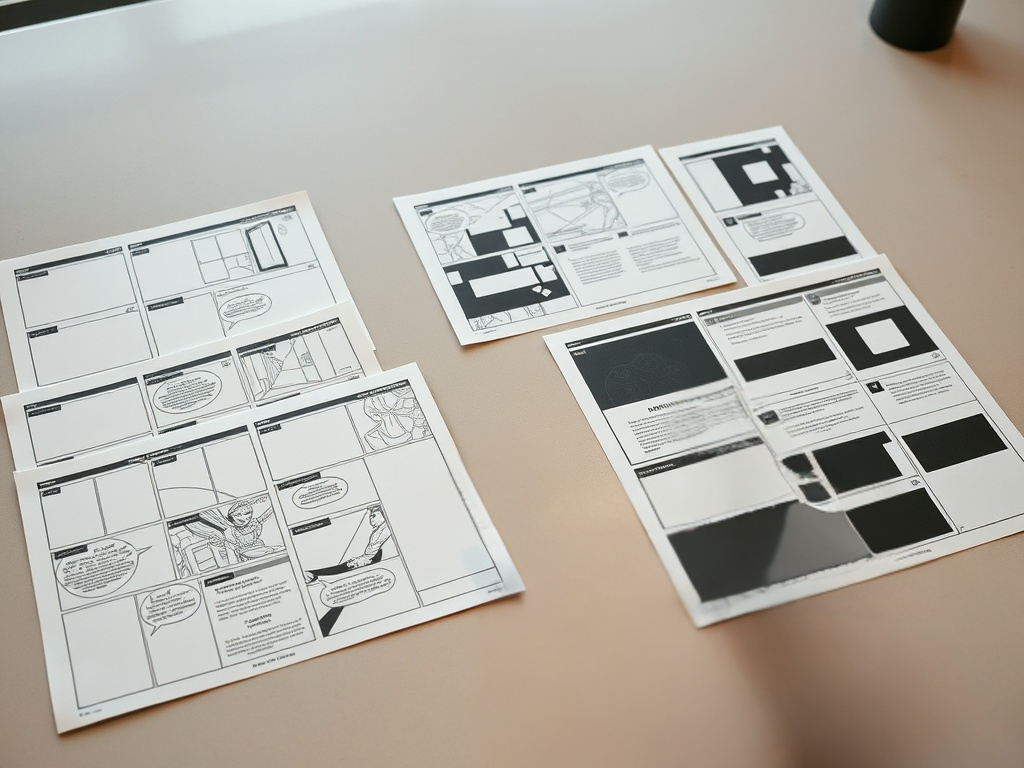
Comics use gutters, page turns, splash pages, captions, and reader-controlled timing. Film uses shot length, camera movement, sound design, and editing. Television uses those tools plus episode structure, act breaks, recaps, and season pacing.
| Comic element | TV adaptation tendency | Film adaptation tendency |
|---|---|---|
| Long continuity | Selects arcs across episodes | Condenses into one core plot |
| Supporting cast | Expands character subplots | Combines or cuts roles |
| Cliffhangers | Uses episode endings | Uses act turns and final tease |
| Visual style | Can evolve by episode | Needs strong unified look |
| Worldbuilding | Builds gradually | Prioritizes immediate clarity |
The book polyptych: adaptation, Television, and Comics focuses on serialized texts and the complexity of adapting collaborative, unstable source material. That phrase fits many comics, where different writers, artists, editors, and eras may all shape what fans consider canon.
Fidelity Means Different Things
Fans often debate whether an adaptation is faithful. The better question is: faithful to what? A costume? A plot event? A relationship? A theme? A visual style? A feeling of weekly suspense? A film may preserve an iconic emotional arc while changing continuity. A TV version may preserve serial texture while changing specific events.
Creators also have to balance fans and newcomers. Comic readers may want recognition. New viewers need orientation. Too much exposition can slow the story; too little can make the world feel arbitrary.
Budget and Production Shape the Story
Film budgets may allow large set pieces, elaborate effects, and cinematic scale, but the runtime is short. Television budgets spread across episodes, which can encourage character scenes, reused locations, or focused arcs. Streaming series have blurred this line, but the production logic remains different.
Animated adaptations add another path. They can stay closer to stylized visual forms and exaggerated action, but they still face time, audience, and structure decisions. For creators interested in animation presentation and critique, Best Online Communities for Feedback on Animation tests and reels offers a practical companion topic.
When TV Works Better
Television is often the better fit when the comic depends on:
- ensemble relationships;
- mysteries that unfold over time;
- school, city, team, or workplace settings;
- multiple villains or factions;
- gradual moral change;
- long-running character mythology.
The format gives viewers time to attach to patterns. It also gives writers space to adapt lesser-known arcs that a film would likely skip.
When Film Works Better
Film is often stronger when the comic has a contained story, a high-concept premise, a clear transformation, or a visual set piece that benefits from scale. A graphic novel with a beginning, middle, and end may not need a series. Stretching a compact story can weaken it.
Film also creates event energy. A single adaptation can become a cultural moment because audiences encounter the story in a concentrated release window. That does not make it deeper than TV, but it changes how people talk about it.
The edited volume exploring seriality on screen places seriality at the center of film and television history, which helps explain why the boundary between formats keeps shifting. Franchises use films like episodes, and streaming series often use cinematic production values.
The Best Adaptation Chooses Its Shape Honestly
A good comic adaptation does not simply ask what happened in the panels. It asks what screen form can carry the source’s strongest experience. Film offers compression, scale, and focus. Television offers accumulation, rhythm, and character breadth. Both can honor comics when they respect the difference between copying panels and translating storytelling.
To keep thinking across arts formats, compare adaptation choices with How Insurance Works for Collectors Lending Art to Exhibitions, where institutional processes also turn one kind of cultural object into a different public experience.

Laura Friedman
<b>Location:</b> Boulder, Colorado Laura Friedman is a clean energy entrepreneur and climate tech advisor who has spent her career at the intersection of technology and sustainability. Based in Boulder, a hub for climate innovation, Laura has founded and advised companies in solar energy, battery storage, and carbon capture. Her writing at Nano Write covers the technologies and business models that are driving the transition to a low-carbon economy, from new materials and manufacturing processes to policy and investment trends. Laura holds a Master's in Energy Engineering and is a recognized thought leader in the clean energy space. She believes that innovation is the key to solving the climate crisis and her articles highlight the companies, technologies, and leaders making a difference. Laura is also an avid climber and skier who finds inspiration in the natural world.
More from Laura