How to volunteer at arts festivals and get meaningful behind-the-scenes access

Volunteering at arts festivals can give meaningful behind-the-scenes access when you choose a role close to operations, commit to the schedule, and treat the experience as live-event work rather than a free ticket. The best volunteers learn how artists, crews, front-of-house teams, safety staff, and…
Volunteering at arts festivals can give meaningful behind-the-scenes access when you choose a role close to operations, commit to the schedule, and treat the experience as live-event work rather than a free ticket. The best volunteers learn how artists, crews, front-of-house teams, safety staff, and producers keep a temporary cultural world running.
At a Glance: Access Comes From Trust
Festival access is earned by reliability. You may start with ticket scanning, wayfinding, stewarding, artist check-in, hospitality support, workshop setup, or audience assistance. The more dependable you are, the more you see how decisions are made.
Galway International Arts Festival says volunteers can gain insight into the behind-the-scenes running of a major festival through its volunteer program. That phrase is useful because behind-the-scenes access does not mean wandering wherever you want. It means being placed where the festival needs support.
Pick the Festival That Matches Your Goal
Arts festivals vary widely. A theatre fringe, film festival, literary festival, music festival, gallery weekend, dance festival, or multidisciplinary arts event will teach different skills. If you want production experience, look for venue crew or technical runner roles. If you want artist relations, look for hospitality or accreditation support. If you want audience work, choose front-of-house or access roles.
The Edinburgh Festival Fringe’s work with us information points to the range of workers and volunteers involved in a large festival ecosystem. Big festivals can offer scale and energy; smaller festivals may offer closer contact with organizers.
For museum-focused cultural experience, How to volunteer at a museum and build real experience may be a better starting point. Museums are steadier; festivals are temporary, fast, and operationally intense.
Understand the Roles Before You Apply
Read the role description carefully. Some volunteer positions require standing outdoors, late nights, manual lifting, crowd guidance, or dealing with frustrated visitors. Others involve quiet admin, green-room support, accessibility assistance, or workshop preparation.
Ask yourself:
- Can I commit to the full shift pattern?
- Do I need transport after late events?
- Am I comfortable with crowds and noise?
- Is training provided?
- What expenses, meals, breaks, or access benefits are included?
- Who supervises volunteers during problems?
Safety Is Part of the Experience
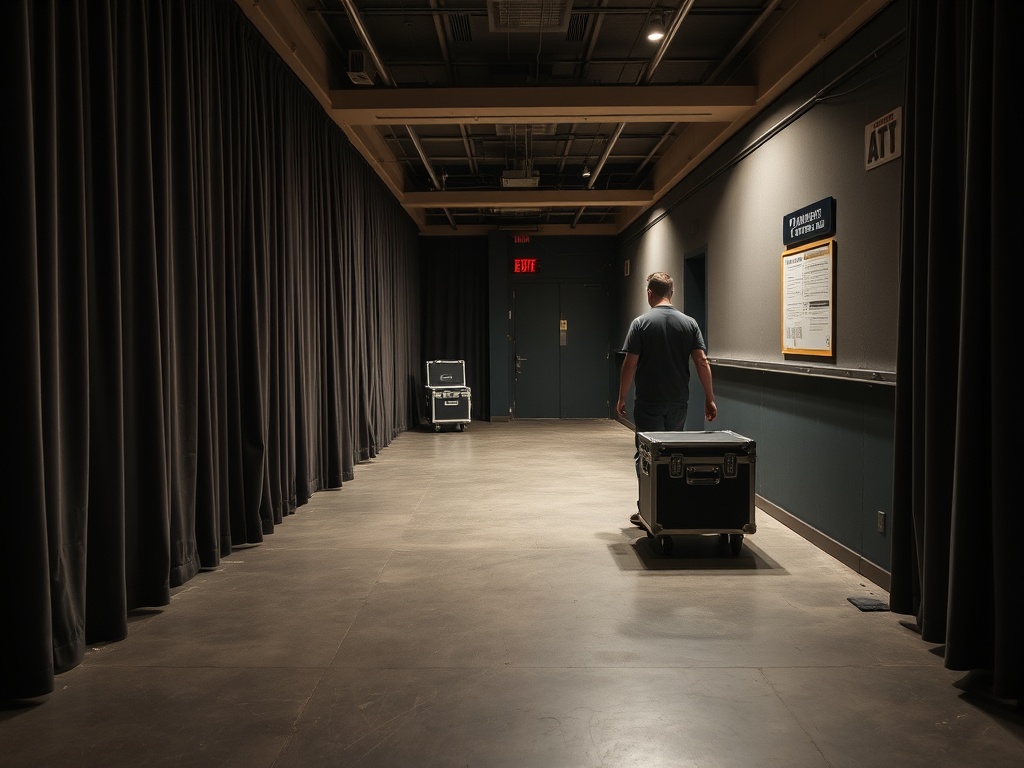
Behind-the-scenes access includes seeing how safety is managed. Crowd flow, weather, emergency exits, accessibility routes, stage boundaries, lost-child procedures, and communication channels all matter. The Event Safety Alliance’s standards and guidance addresses topics such as emergency planning, crowd management, weather preparedness, communication, venue design, rigging, and staging.
Volunteers are not expected to replace trained safety professionals. They are expected to follow instructions, report concerns, and avoid improvising beyond their role. If you notice a blocked exit, distressed attendee, unsafe cable, or crowd pressure point, tell your supervisor immediately.
The UK’s Health and Safety Executive provides event safety guidance for running events safely. Even if you are not an organizer, reading basic safety guidance helps you understand why festivals have strict procedures.
| Volunteer area | What you may learn | Boundary to respect |
|---|---|---|
| Front of house | Audience flow, ticketing, guest questions | Do not promise exceptions |
| Artist hospitality | Scheduling, calm communication, discretion | Do not take photos or gossip |
| Venue support | Room resets, timing, backstage etiquette | Do not touch technical gear unless trained |
| Access support | Inclusive service, route planning, patience | Protect attendee privacy |
| Production runner | Logistics, urgency, team communication | Confirm tasks before acting |
How to Get More Than a Wristband
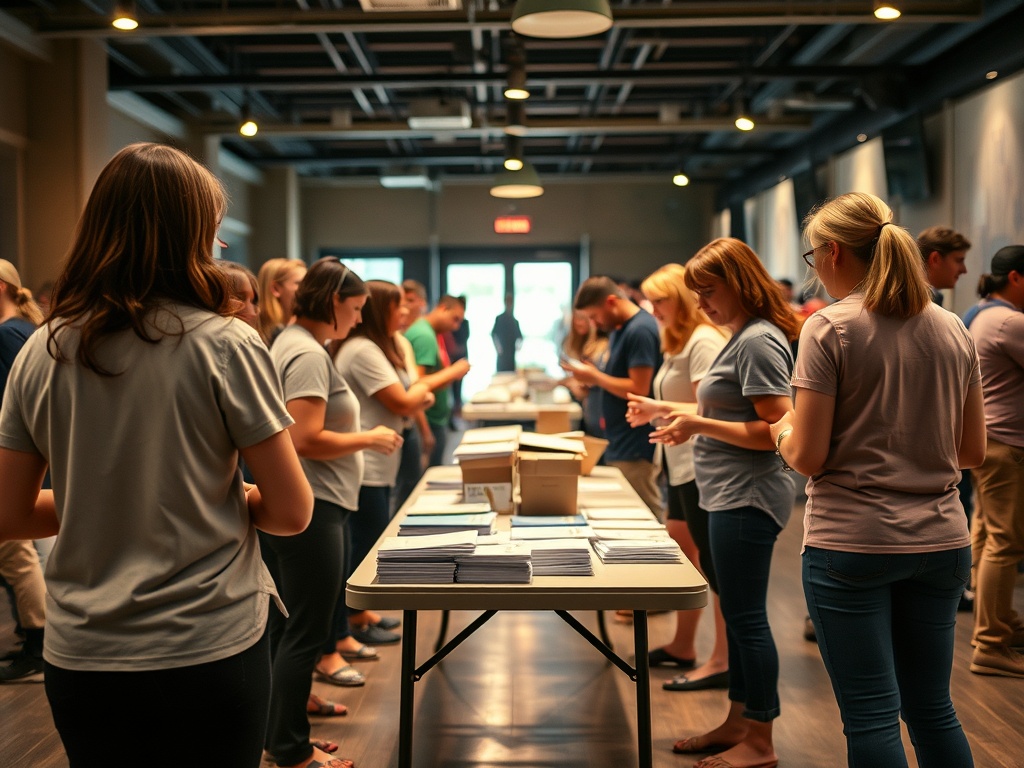
Show up early, bring practical clothing, listen during briefing, write down key contacts, and ask what success looks like for your shift. During quiet moments, observe systems: how radios are used, how queues form, how artists are moved, how signage works, and how staff solve problems.
Do not hover around performers or treat restricted areas as a social opportunity. Meaningful access comes from seeing the work, not collecting selfies. If you want to build a career, your reputation for discretion is more valuable than a casual encounter.
Build Skills You Can Use Later
Festival volunteering can build communication, calm under pressure, timekeeping, accessibility awareness, team coordination, and problem-solving. After each shift, record what you did and what you learned. Note concrete examples: managed a queue before a sold-out performance, prepared workshop materials, escorted artists to a green room, supported audience access routes, or helped reset a venue between shows.
If you are interested in media, festivals can also connect to archival research. Interviews, performances, and press appearances often begin as live-event moments before becoming records. Best Places to Find Archived Interviews, performances, and press appearances explains where those materials may be found later.
Common Mistakes to Avoid
Do not apply only for perks. Do not overstate your availability. Do not ignore weather, footwear, food, or transport. Do not assume volunteer status gives you backstage freedom. Do not disappear during slow periods. Do not post sensitive backstage details online.
Also avoid choosing roles that do not match your needs. If you want production learning but choose only audience greeting, you may still gain useful skills, but not the access you hoped for. Apply strategically and be honest about your interests.
When Volunteering Should Lead to Paid Work
After one or two festival seasons, look for paid casual crew, front-of-house, box office, production assistant, artist liaison, volunteer coordinator, or venue assistant roles. Use supervisors as references if you performed well. Ask what skills or certifications would help, such as first aid, safeguarding, access training, or technical basics.
Volunteering should be a bridge, not a permanent unpaid substitute for skilled labor. If you are taking on responsibilities that look like staff work, pay and role clarity matter.
Step Into the Working Side of Culture
Arts festivals can show you how culture is built under pressure. The public sees performances, exhibitions, talks, and celebrations. Volunteers see the timing sheets, radios, queues, weather calls, reset teams, and quiet acts of care that make the public experience possible. Choose a focused role, protect safety and trust, and turn each shift into evidence of real live-event skill.
For a complementary path inside cultural institutions, read How to volunteer at a museum and build real experience, then compare which setting fits your temperament: the steady museum or the high-speed festival.

Laura Friedman
<b>Location:</b> Boulder, Colorado Laura Friedman is a clean energy entrepreneur and climate tech advisor who has spent her career at the intersection of technology and sustainability. Based in Boulder, a hub for climate innovation, Laura has founded and advised companies in solar energy, battery storage, and carbon capture. Her writing at Nano Write covers the technologies and business models that are driving the transition to a low-carbon economy, from new materials and manufacturing processes to policy and investment trends. Laura holds a Master's in Energy Engineering and is a recognized thought leader in the clean energy space. She believes that innovation is the key to solving the climate crisis and her articles highlight the companies, technologies, and leaders making a difference. Laura is also an avid climber and skier who finds inspiration in the natural world.
More from Laura