How Insurance Works for Collectors Lending Art to Exhibitions

When a private collector lends art to an exhibition, insurance is the safety net that defines who pays if the work is damaged, stolen, lost, or compromised in transit. The key is not just having a policy, but matching the loan agreement, valuation, transport plan,…
When a private collector lends art to an exhibition, insurance is the safety net that defines who pays if the work is damaged, stolen, lost, or compromised in transit. The key is not just having a policy, but matching the loan agreement, valuation, transport plan, and condition reports before the work leaves the collector’s control.
At a Glance: Exhibition Loan Coverage
The lender, borrower, registrar, shipper, and insurer all need the same written understanding of value, custody, exclusions, and claim procedure. A collector should never rely on verbal assurances, because art loans move through several risk points before the public ever sees the exhibition.
Most exhibition insurance is arranged as wall-to-wall or nail-to-nail coverage. That means the work is covered from removal at the lender’s location, through packing and transit, during installation and display, and through return transit and rehanging. The American alliance of museums notes that loan agreements help establish insurable interest, which is central because the borrowing institution is often responsible for proving it has a right and duty to insure the object.
The Basic Roles in an Art Loan
A collector usually owns the object and sets conditions for lending. The borrowing museum or gallery accepts temporary custody and agrees to care for the object according to agreed standards. The insurer prices the risk based on value, movement, security, environmental controls, and exclusions. A specialist fine-art shipper may become a separate link in the chain.
This is why the loan agreement matters as much as the insurance certificate. It should describe the object, value, period of loan, shipping method, display conditions, photography permissions, credit line, and who carries insurance. If the borrower carries coverage, the collector should ask to see proof before the work is collected. If the collector’s own policy stays in place, the borrower still needs to know the policy’s transit and exhibition limitations.
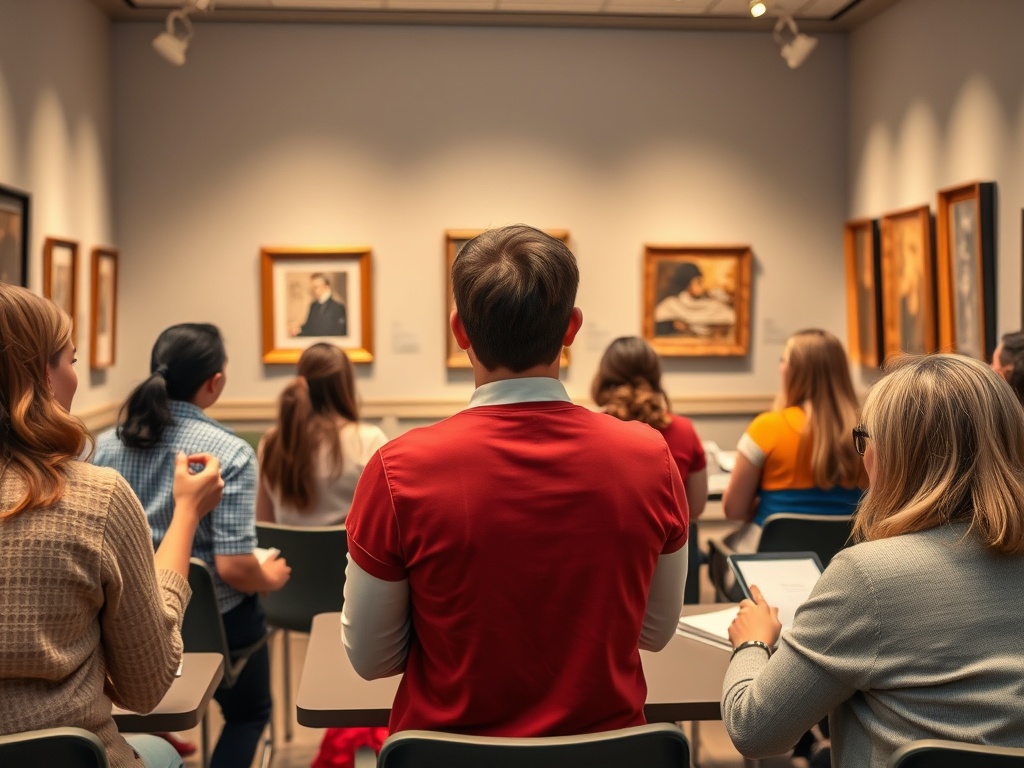
For collectors who are new to institutional lending, it can help to compare this process with other ways cultural institutions build experience and trust, such as How to volunteer at a museum and build real experience. Museums tend to operate through documented responsibilities, not casual promises, and lenders should adopt the same mindset.
What Wall-to-Wall Insurance Usually Covers
Wall-to-wall coverage is designed for the full journey, not just the time on a gallery wall. A strong arrangement addresses damage during packing, loading, unloading, courier handling, climate-controlled storage, installation, public display, deinstallation, and return. The collections trust guidance on insurance and indemnity treats objects on loan, including those in transit, as a core category for insurance or indemnity decisions.
| Coverage area | Why it matters | Collector question to ask |
|---|---|---|
| Transit | Many losses occur while works are moved | Who packs, escorts, and receives the object? |
| Installation | Framing, mounting, and handling can create risk | Who is authorized to handle the work? |
| Exhibition period | Security and environment affect loss and damage | What are the humidity, light, and alarm standards? |
| Return | Damage can occur after the show closes | Will the same shipper and packing method be used? |
Valuation Is Not a Guess
Insurance depends on an agreed value. That value may come from a recent appraisal, purchase record, auction comparison, dealer estimate, or negotiated loan value. The collector should avoid inflating value just because the work is important personally. An unrealistic number can delay approval, raise premiums, or complicate a claim.
The agreed value should appear in the loan papers and match the insurance certificate. If the work is part of a pair, suite, edition, or installation, the agreement should explain whether loss of one part affects the value of the whole. For contemporary work, the agreement may also need fabrication instructions, artist contact details, or replacement parameters.
Exclusions and Weak Spots to Review
Policies often exclude ordinary wear, gradual deterioration, inherent vice, war, nuclear risks, faulty packing by the owner, or damage from previous condition issues. Some exclusions are negotiable, but many are standard. A fragile work on paper, textile, photograph, or mixed-media object may need extra conservation review before it travels.
The borrower may also offer government indemnity instead of commercial insurance. That can be legitimate, especially for public museums, but it still needs written terms. The collector should ask what is covered, who administers claims, and how quickly payment would be made after an accepted loss.
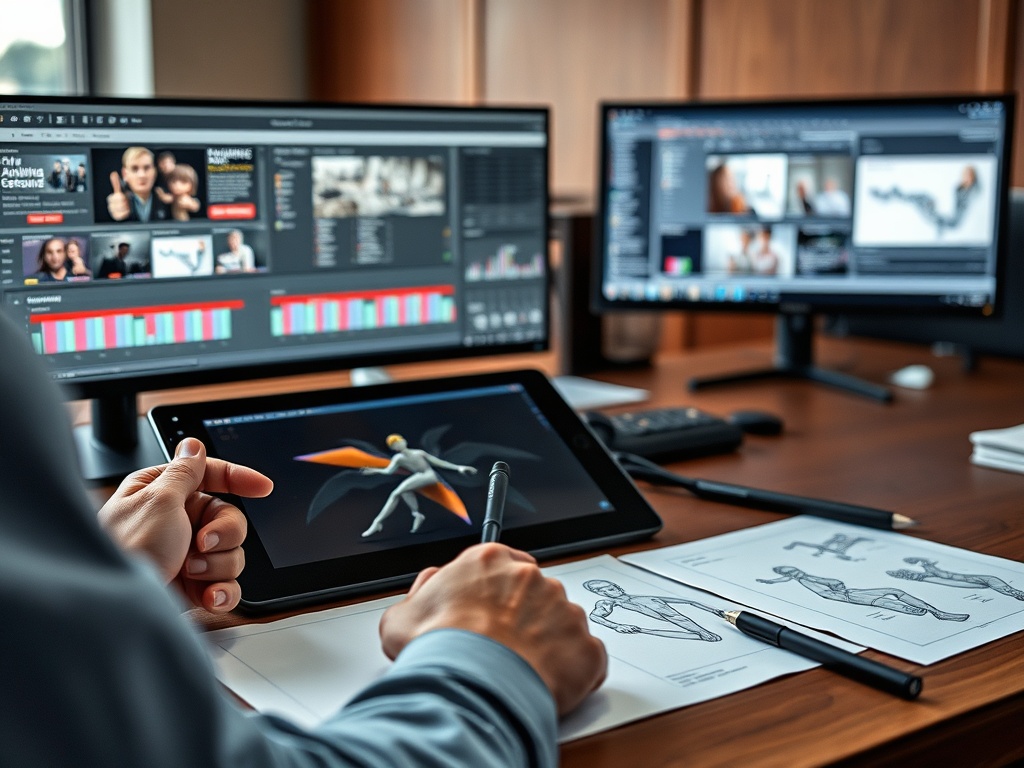
A careful lender also thinks about presentation risk. Exhibition design, lighting, mounts, framing, and surrounding traffic patterns can affect the object. Creative planning matters across disciplines, and the same principle appears in how vertical video changes composition, thumbnails, and ttoryboarding, where a format change forces creators to rethink composition before production.
Documents Collectors Should Request
The most useful loan file includes the final loan agreement, insurance certificate or indemnity confirmation, current condition report, packing instructions, transit schedule, facility report, courier plan if needed, and emergency contacts. The Smithsonian national museum of american history loan program shows how formal museum loans often rely on supporting documents, preservation guidelines, procedures, and sample agreements.
Collectors should keep their own photographs before release, at unpacking if allowed, and after return. A condition report should use plain descriptions, not vague reassurance. Small abrasions, frame chips, loose media, accretions, cracks, and previous repairs should be documented before custody changes.
When to Bring in Professional Help
A small, durable work going to a reputable local institution may be simple. A high-value painting, fragile photograph, sculpture, video installation, or international loan deserves specialist advice from a fine-art broker, appraiser, conservator, or art lawyer. The collector should also involve their existing insurer before signing anything, because lending can change the risk profile.
The same discipline helps when collectors expand into display strategy, artist research, or documentation. A strong lending habit creates a record of care that can support future loans, sales, estate planning, and conservation decisions.
A Sensible Lending Decision
A good loan should make the art visible without making the owner guess about risk. Before saying yes, confirm who insures the work, what value is accepted, when coverage begins and ends, who handles the object, and how damage will be reported. If those answers are clear in writing, the collector can lend with confidence rather than hope.
For broader context on how art-related opportunities turn into practical experience, explore how to turn an inktober-style challenge into a strong portfolio series and think of every exhibition loan as a professional collaboration with paperwork at its core.

Laura Friedman
<b>Location:</b> Boulder, Colorado Laura Friedman is a clean energy entrepreneur and climate tech advisor who has spent her career at the intersection of technology and sustainability. Based in Boulder, a hub for climate innovation, Laura has founded and advised companies in solar energy, battery storage, and carbon capture. Her writing at Nano Write covers the technologies and business models that are driving the transition to a low-carbon economy, from new materials and manufacturing processes to policy and investment trends. Laura holds a Master's in Energy Engineering and is a recognized thought leader in the clean energy space. She believes that innovation is the key to solving the climate crisis and her articles highlight the companies, technologies, and leaders making a difference. Laura is also an avid climber and skier who finds inspiration in the natural world.
More from Laura