Performance Anxiety in Esports: What Competitive Gamers Can Learn From Sports Psychology

Performance anxiety in esports is the stress response that appears when competitive gamers feel judged, rushed, or afraid of making visible mistakes. Sports psychology offers practical tools such as routines, breathing, attention control, review habits, and healthier recovery between matches. TL;DR: Key takeaways Esports pressure…
Performance anxiety in esports is the stress response that appears when competitive gamers feel judged, rushed, or afraid of making visible mistakes. Sports psychology offers practical tools such as routines, breathing, attention control, review habits, and healthier recovery between matches.
TL;DR: Key takeaways
- Esports pressure is real because attention, reaction speed, communication, and identity can all be on the line.
- The goal is not to remove nerves; it is to make them manageable and predictable.
- Warning signs include avoidance, sleep disruption, tilt, panic symptoms, and fear that continues after play ends.
Why esports pressure can feel so intense
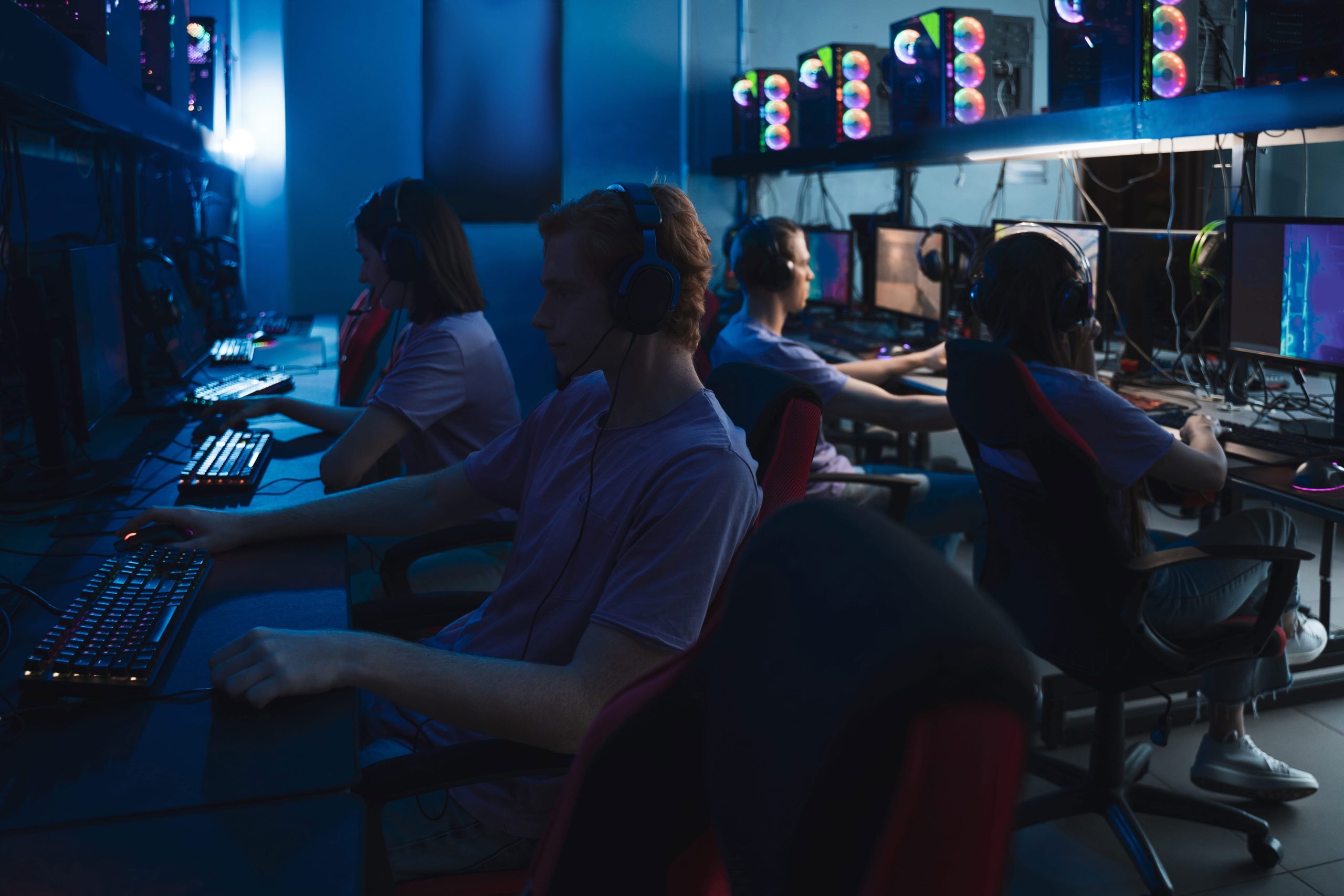
Competitive gaming compresses decisions into tiny time windows. A player may need to aim, communicate, track cooldowns, read the opponent, manage economy, and respond to teammates within seconds. Mistakes are visible on stream, in chat, in replay files, and in team review. That makes anxiety feel public even when the player is physically alone at a desk.
The problem is not weakness. Physical athletes also experience pressure before penalties, serves, free throws, starts, lifts, and final rounds. Esports athletes can learn from those routines while adapting them to screens, voice chat, queue systems, and long practice blocks. This connects naturally with How to Improve Timing in Combat Sports Without Sparring Every Day, where cue recognition and calm timing matter under pressure.
What sports psychology contributes
The American Psychological Association has reported on psychologists working in esports, highlighting evidence-based approaches to performance, mental health, and player development. The key point for gamers is that performance routines are skills. They can be trained, reviewed, and adjusted just like mechanics or strategy.
| Tool | Esports application | Useful cue |
|---|---|---|
| Pre-match routine | Same warm-up order before ranked, scrims, or tournament games. | Make the first five minutes predictable. |
| Breathing reset | Short breathing cycle after a death, lost round, or failed execution. | Reset body tension before the next call. |
| Attention control | Return focus to crosshair placement, minimap, economy, or next objective. | Pick the next controllable action. |
| Review boundary | Analyze one or two patterns instead of replaying every mistake emotionally. | Turn review into learning, not punishment. |
Building a routine that does not feel fake
A routine should be simple enough to repeat on a bad day. Start with body basics: water nearby, chair set, hands warm, screen and audio checked, and a short movement break before long sessions. Then add a game-specific warm-up, such as aim practice, build drills, map review, or communication cues. End the routine with one performance intention: “clear comms,” “first objective focus,” or “steady crosshair.”
Avoid routines that become superstition. If a player believes they cannot perform without a perfect setup, the routine may create more anxiety. A good routine prepares the player while still allowing flexibility when equipment, schedule, or teammates change.
Recovery matters here too. Long gaming blocks can blur practice, competition, and decompression. The same logic behind Ice Baths, Sauna, Compression Boots: Which Recovery Trends Hold Up? applies: recovery should support the next performance rather than become another trend or badge of seriousness.
How to handle tilt without pretending it is not there
Tilt is often a mix of anger, fear, fatigue, and narrowed attention. Telling a player to “just calm down” rarely works. A better plan is to create a reset protocol before tilt happens. For example: mute nonessential noise, take three slow breaths, name the next objective, and delay any blame discussion until after the round or match.
Teams should separate emotional venting from tactical communication. “I cannot believe that happened” may be human, but it does not help the next decision. “Reset, play for vision, wait for cooldowns” gives the group something to execute. Coaches and captains can model this language.
When anxiety needs more support
Some nerves before competition are normal. More serious warning signs include avoiding play because of fear, panic symptoms, sleep problems, ongoing dread, isolation, or anxiety that spreads into school, work, or relationships. In those cases, a qualified mental health professional is more appropriate than another performance tip.
Momentum swings can intensify anxiety because one mistake feels like the start of a collapse. Learning to read those shifts clearly, as covered in How to Identify Momentum Shifts Before They Become Game-Changers, can help players respond to patterns rather than panic after a single bad moment.
A calmer way to compete online
Performance anxiety in esports should be treated as a trainable challenge and, when needed, a health concern. Players can build routines, reset after mistakes, review with boundaries, and protect recovery. Teams can improve language, reduce blame, and create practice conditions that prepare players for pressure without humiliating them.
For the next session, choose one reset phrase and one review question. Use them consistently for a week before deciding whether they help.

Laura Friedman
<b>Location:</b> Boulder, Colorado Laura Friedman is a clean energy entrepreneur and climate tech advisor who has spent her career at the intersection of technology and sustainability. Based in Boulder, a hub for climate innovation, Laura has founded and advised companies in solar energy, battery storage, and carbon capture. Her writing at Nano Write covers the technologies and business models that are driving the transition to a low-carbon economy, from new materials and manufacturing processes to policy and investment trends. Laura holds a Master's in Energy Engineering and is a recognized thought leader in the clean energy space. She believes that innovation is the key to solving the climate crisis and her articles highlight the companies, technologies, and leaders making a difference. Laura is also an avid climber and skier who finds inspiration in the natural world.
More from Laura