A Beginner FAQ on Eco-Friendly Gardening

Eco-friendly gardening means reducing unnecessary inputs while building soil health, conserving water, choosing plants that fit the site, and supporting a more diverse garden ecosystem. It is a direction of travel rather than a single product label or perfect checklist. TL;DR Start with healthy soil,…
Eco-friendly gardening means reducing unnecessary inputs while building soil health, conserving water, choosing plants that fit the site, and supporting a more diverse garden ecosystem. It is a direction of travel rather than a single product label or perfect checklist.
TL;DR
- Start with healthy soil, right-sized plants, and efficient watering.
- Compost suitable organic material when it is practical and permitted.
- Reduce pesticide use by preventing problems and identifying pests before treating.
- Favor regionally appropriate plants and include resources for pollinators where suitable.
- Change one routine at a time so the garden remains manageable.
What Makes a Garden Eco-Friendly?
An eco-friendly garden tries to meet household goals while using water, fertilizer, pesticides, materials, and energy more deliberately. The exact choices depend on climate, local ecology, property size, HOA or municipal rules, and what you grow.
A low-water desert garden and a rain-fed woodland garden can both be environmentally thoughtful even though they look completely different. The useful question is not whether a landscape matches one aesthetic; it is whether the plants and maintenance practices fit the site without unnecessary waste or harm.
Do I Need to Replace My Lawn?
Not automatically. Lawn can be useful for play, pets, visual openness, and erosion control. Problems arise when turf is placed where it struggles, watered inefficiently, or maintained with more inputs than the household wants to use.
Start by identifying areas of lawn that serve a purpose. Narrow strips, steep slopes, deep shade, or corners that are difficult to irrigate may be candidates for another treatment such as groundcover, mulch, a path, or a planting bed. Make changes gradually so you can see how drainage and use patterns respond.
If the whole yard feels dated, how to refresh an outdated landscape without starting over offers a phased method that preserves healthy plants and useful hardscape instead of clearing everything.
Is Composting Worth It for a Small Garden?
Compost can return organic material to the soil and improve physical properties such as water-holding capacity and structure when it is mature and used appropriately. EPA describes compost use as a way to recycle organic materials and support soil health (EPA benefits of compost).
A large outdoor pile is not the only option. A small tumbler, municipal collection program, or indoor worm bin may fit a compact property better. If kitchen scraps are your main available material, how to start vermicomposting indoors explains the bedding, moisture, feeding, and troubleshooting basics.
Do not assume more compost is always better. Finished compost composition varies, and excessive application can add nutrients the soil does not need. Soil testing and local extension recommendations can help determine appropriate amendments.
Are Native Plants Always the Best Choice?
Native plants can provide strong ecological benefits when they are matched to the site and local food webs, particularly when they offer pollen, nectar, seeds, or host relationships for wildlife. USDA Natural Resources Conservation Service encourages planting diverse flowering species that support pollinators across the growing season (USDA NRCS pollinator planting guidance).
Still, "native" covers a wide range of plants. A species native to one part of a large state may not suit another climate or soil type. Some nonnative plants are also well-behaved and useful in gardens. Focus on local suitability, invasive-species status, mature size, and ecological function rather than using origin as the only criterion.

How Can I Use Less Water Without Stressing Plants?
Put plants where their water needs match the site, group plants with similar needs, mulch suitable beds, and repair leaks. Water the root zone rather than pavement, and change schedules with the season instead of using the same runtime year-round.
EPA WaterSense provides landscaping and irrigation guidance that emphasizes appropriate plant selection and efficient water use (WaterSense landscaping tips). For basic questions about sprinklers, drip systems, timing, and controllers, use the lawn and garden irrigation FAQ.
Rain barrels or cisterns can supplement irrigation where local rules, roof materials, mosquito control, and site design allow. Stored rainwater is not automatically safe for every edible-garden use, so follow local public-health and extension guidance.
Does Eco-Friendly Gardening Mean Never Using Pesticides?
A practical approach is to prevent problems first, identify the pest accurately, and use the least disruptive effective control that fits the situation. That can include crop rotation, resistant plants, sanitation, hand removal, barriers, pruning, or habitat changes.
If a pesticide becomes necessary, choose a product labeled for the target pest and site and follow the label. Organic or plant-derived products can still affect people, pets, pollinators, aquatic life, and beneficial insects. "Natural" is not a safety guarantee.
For a concrete example of nonchemical-first management, how to manage slugs and snails without harsh chemicals combines monitoring, habitat changes, hand-picking, and targeted barriers.
What Should I Do With Fallen Leaves?
Leaves are a resource, but the best use depends on location. Shredded leaves can become mulch or compost ingredients. Leaves can also provide overwintering habitat for insects in appropriate parts of a garden.
At the same time, thick matted leaves can smother turf, clog drains, create slippery hardscape, or harbor disease around susceptible plants. Keep storm drains and walkways clear and manage diseased leaves according to local extension advice. The eco-friendly choice is not necessarily "leave every leaf exactly where it falls."
Can I Garden Sustainably in Containers?
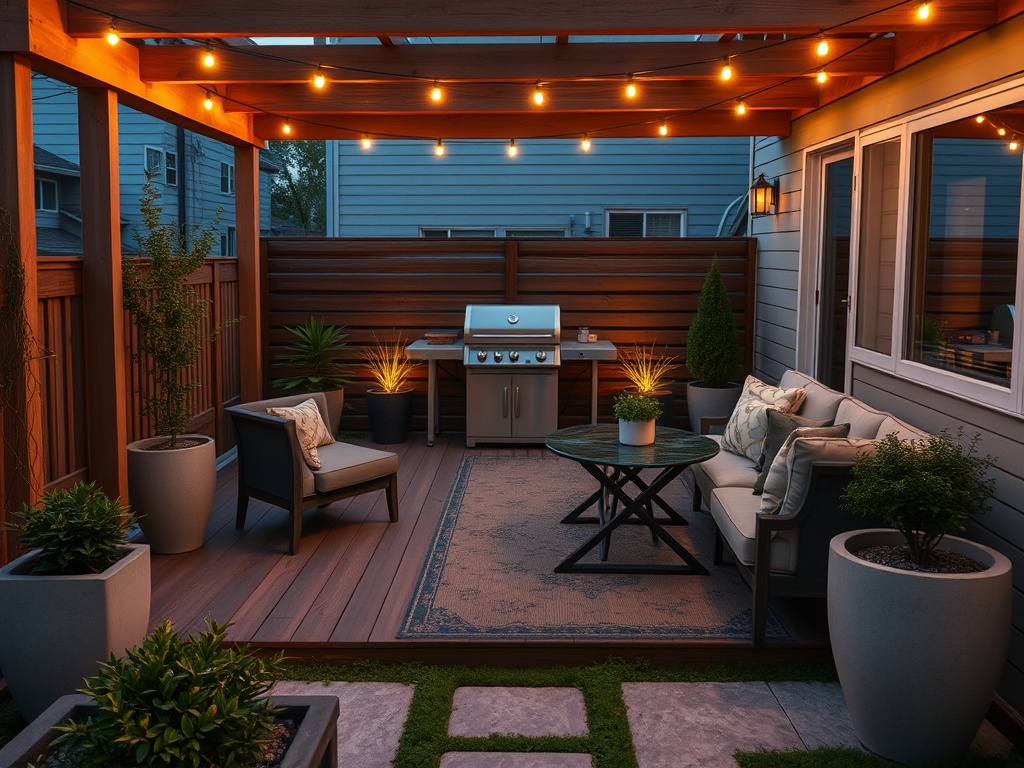
Yes. Containers can reduce wasted space and allow precise watering, but they also dry quickly and may rely on purchased potting mix and fertilizer. Choose durable pots, reuse them when safe, and match container size to mature plant size so roots have adequate volume.
Group pots with similar moisture needs and place saucers carefully so they do not create standing water or mosquito habitat. When refreshing potting mix, reuse suitable material where disease risk is low and amend according to crop needs rather than discarding everything by default.
Are Battery Tools More Eco-Friendly Than Gas Tools?
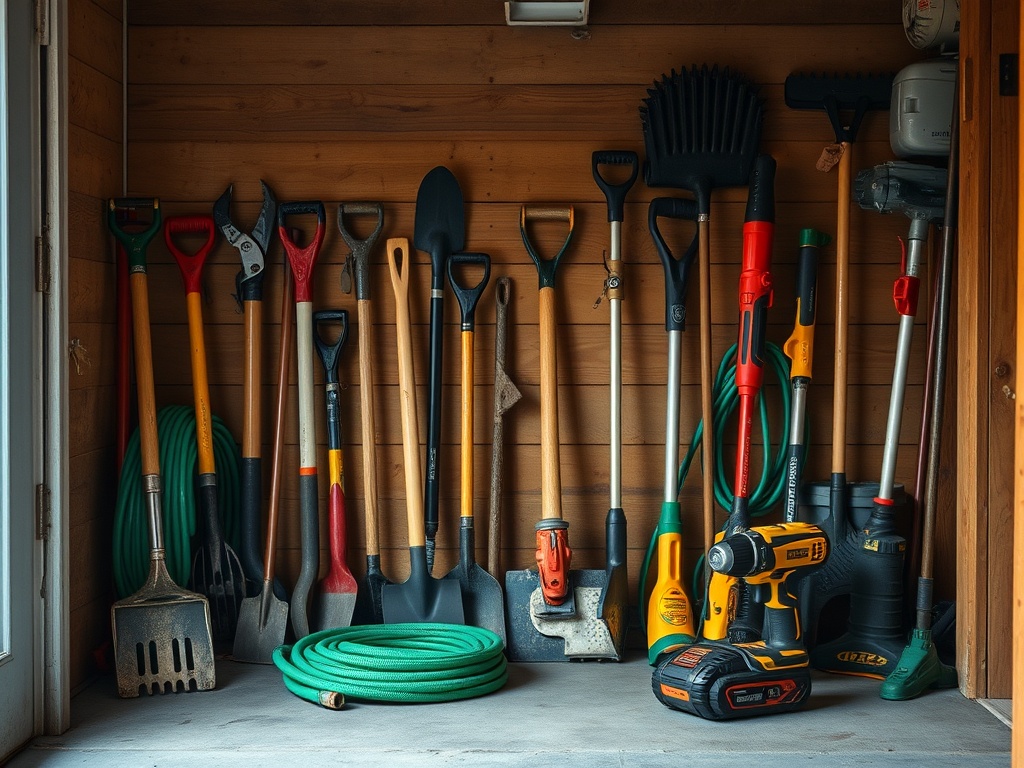
Battery equipment can reduce on-site exhaust and noise, but its overall environmental footprint depends on electricity source, battery manufacturing, tool longevity, repairability, and whether it replaces equipment you already own. A durable manual tool may have the lowest operating footprint for a small task.
Buy according to actual frequency and workload. Sharing, renting, repairing, or choosing one compatible battery platform can reduce duplicate equipment. The guide to garden tool buying mistakes can help separate useful capability from unnecessary ownership.
How Do I Start Without Rebuilding Everything?
Choose one recurring task that consumes the most water, time, fertilizer, pesticide, or disposable material. Measure what happens now, make one change, and observe the result for a season.
Good starting projects include repairing irrigation leaks, converting one awkward lawn strip to a bed, composting a portion of food scraps, planting a small pollinator patch, or replacing one high-maintenance plant with a better-adapted option. Incremental projects are easier to evaluate and less likely to create unintended maintenance problems.
Build an Eco-Friendly Garden by Editing the Routine
Sustainable gardening is mostly a pattern of decisions. Keep soil covered where appropriate, waste less water, return useful organic matter to the soil, protect beneficial organisms, and choose plants that fit the site's light and moisture.
Informational note: Home and garden information is educational only and is not a substitute for professional horticultural, pest-control, structural, electrical, or legal advice. Follow local invasive-species guidance, water rules, product labels, and waste regulations.

Dr. Emily Watson
Location: Princeton, New Jersey Dr. Emily Watson is a quantum computing researcher and physicist who translates complex scientific concepts into accessible insights for business and technology leaders. Based in Princeton, home to leading research institutions, Emily holds a PhD in Physics from Princeton University and has published extensively on quantum algorithms and their applications. Her writing at Nano Write covers the science and business of quantum computing, from the physics of qubits to real-world use cases in cryptography, drug discovery, and optimization. Emily believes that quantum computing will be the next major technological revolution and she is committed to preparing leaders for that transformation. Outside of her research, Emily speaks at technology summits and advises startups at the intersection of physics and commerce.
More from Dr. Emily