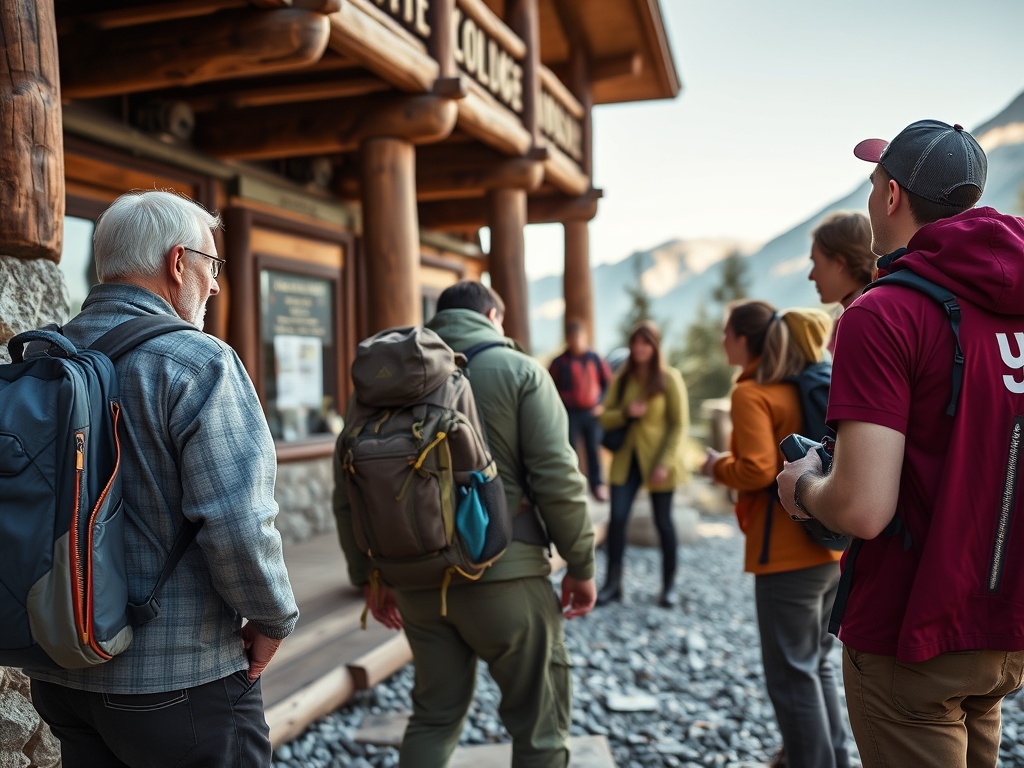
How to Personalize Mountain Stays by Ability and Activity Level

Approx. 1104 words A mountain stay should be personalized around the group's actual ability, preferred activity level, altitude tolerance, transport needs, and seasonal conditions. The same lodge can be a strong fit for an experienced hiking group and a poor fit for a family seeking…
Approx. 1104 words
A mountain stay should be personalized around the group's actual ability, preferred activity level, altitude tolerance, transport needs, and seasonal conditions. The same lodge can be a strong fit for an experienced hiking group and a poor fit for a family seeking short scenic outings, even when both travelers like the destination.
The Mountain-Stay Compass
- Choose activities first, then select lodging that supports their location, difficulty, and timing.
- Build in acclimatization and weather flexibility when elevation or outdoor exposure is significant.
- Do not assume age predicts ability; ask each traveler what pace, terrain, and recovery time they prefer.
Start With the Activity Map, Not the Hotel Map
List the activities that define the trip and identify where they begin. Ski lifts, trailheads, scenic drives, wildlife areas, guided excursions, and town centers may be spread far apart. A lodge that looks central on a regional map can still require lengthy daily drives. Match the property to the two or three places that matter most rather than to the geographic midpoint.
Outdoor plans should reflect skill and fitness. The National Park Service trip-planning guidance recommends matching trip expectations to outdoor skill level and preparing for route, weather, and other conditions. That principle applies even when travelers are sleeping in a full-service resort: the hotel does not remove the need to choose realistic activities.
Personalize Mountain Travel by Ability and Purpose
Active Couples and Friends: Protect Early Starts and Recovery
Travelers planning long hikes, skiing, climbing, or cycling may value gear storage, early breakfast, parking, shuttle access, drying space, and a quiet room more than extensive evening entertainment. They should also avoid filling every day with maximum effort. One easier day can protect the rest of the trip if weather, soreness, or altitude changes the plan.
Families: Choose Shorter Logistics and Clear Difficulty Options
Families benefit from activities with obvious duration and difficulty choices. A property near beginner terrain, short trails, or a walkable village may reduce the need for repeated driving. Check age, height, weight, or skill restrictions for guided activities before booking. If a child is new to an activity, plan time for equipment fitting and instruction rather than treating the first session as a full performance day.
Families combining different ages can also use the ideas in personalizing resorts for toddlers, teens, and grandparents to build separate activity branches without losing shared family time.
Lower-Intensity and Scenic Travelers: Center Comfort and Access
Some mountain travelers want scenery, local food, wildlife viewing, gentle walks, spa time, or scenic drives rather than strenuous recreation. A lodge with easy access, comfortable public spaces, and nearby low-effort viewpoints may be a better fit than a remote adventure base. That is not a lesser mountain trip; it is a different trip objective.
Business or Work-Retreat Travelers: Keep Outdoor Plans Secondary to Reliability
A mountain meeting or work retreat may add outdoor activities, but connectivity, road access, meeting space, and predictable transfers still come first. Schedule recreation where a weather cancellation will not disrupt business obligations. If team members have different ability levels, choose optional activities with a common meeting point rather than a single demanding outing for everyone.
A Mountain-Stay Ability Matrix
Use this matrix to connect activity ambitions with lodging needs and recovery time.
| Traveler profile | Activity intensity | Lodging priority | Schedule pattern | Primary risk to manage |
|---|---|---|---|---|
| Experienced active traveler | High, skill-specific | Trail/lift access and gear function | Early starts plus recovery | Weather, over-scheduling, route conditions |
| Family with mixed ability | Low to moderate variety | Short logistics and beginner options | Short blocks with flexible branches | Age limits and fatigue |
| Scenic/low-intensity traveler | Gentle and comfort-led | Access, views, nearby services | Slow pace with optional outings | Mobility and long transfers |
| Wellness traveler | Moderate, restorative | Quiet, spa/fitness access | Movement plus rest | Altitude and overexertion |
| Business retreat guest | Optional recreation | Connectivity and transport | Work anchors first | Road conditions and schedule reliability |

Treat Altitude as a Planning Variable
At higher elevations, travelers should take altitude seriously. The CDC Yellow Book guidance on high-altitude travel discusses reduced air pressure and the risk of altitude illness and emphasizes acclimatization. Individual risk varies, so travelers with medical concerns should seek appropriate clinical advice rather than relying on resort marketing or another guest's experience.
From a lodging perspective, this may mean avoiding a demanding activity immediately after a rapid ascent, leaving the first day lighter, and knowing the elevation of both the property and planned activities. A wellness-oriented recovery day can also be part of the trip rather than a backup plan.
Pair Mountain Activities With the Right Recovery Style
Travelers who want hiking or skiing plus restorative time can borrow from personalizing wellness stays around health goals. Keep any wellness claims evidence-based and treat spa, yoga, or massage choices as personal preferences unless a qualified professional has recommended them for a specific condition.
Use General Trip Planning to Handle Mixed Interests
If the group includes active and non-active travelers, the broader method in planning hotel and resort stays for different traveler types can help identify shared priorities such as room comfort, dining, and transport while allowing different daytime activities.
Build a Weather and Access Backup Into Every Active Day
Mountain conditions can change quickly and access may be affected by snow, rain, wind, wildfire conditions, trail closures, or road restrictions depending on the destination and season. Identify one lower-risk indoor or town-based alternative for each major outdoor day. This keeps the trip enjoyable without pressuring the group to continue with an activity when official information or on-the-ground conditions suggest a change.
Check the current status of trails, lifts, roads, and guided activities through the responsible operator or public agency. Older travel articles can help with general inspiration, but operational information should come from current sources close to the travel date.
Equipment logistics can also shape the lodging choice. Travelers renting skis, bikes, or other gear may prefer a property near the rental location or one with secure storage. Those bringing their own equipment should confirm storage rules, vehicle access, and whether wet or muddy gear can be handled without creating problems in the room.
Choose the Mountain Base That Supports the Real Trip
Select the property after confirming the activity locations, realistic ability levels, seasonal access, altitude considerations, and transport plan. Keep at least one flexible block for weather or recovery. A well-personalized mountain stay does not push every traveler toward the hardest available experience; it gives each person an appropriate route into the landscape.

James Park
<b>Location:</b> Ann Arbor, Michigan James Park is a robotics engineer and automation specialist with a focus on industrial applications of AI and machine learning. Based in Ann Arbor, home to leading robotics research, James has worked on autonomous systems, warehouse automation, and collaborative robots for manufacturing and logistics. His writing at Nano Write covers the technology and business of robotics, from hardware design to software integration to workforce implications. James holds a degree in Mechanical Engineering and is a passionate advocate for human-robot collaboration he believes that automation should augment, not replace, human capability. His articles offer a balanced, informed perspective on the future of work in an increasingly automated world. James also mentors engineering students and competes in robot design challenges.
More from James