How to price self-performed work more accurately

To price self-performed work accurately, estimate it like a real subcontract scope: labor, burden, production rates, supervision, equipment, material handling, safety, rework risk, and schedule constraints all need a place in the number. This article focuses on how to give beginner estimators a practical framework…
To price self-performed work accurately, estimate it like a real subcontract scope: labor, burden, production rates, supervision, equipment, material handling, safety, rework risk, and schedule constraints all need a place in the number. This article focuses on how to give beginner estimators a practical framework for building a complete self-perform estimate.
TL;DR: To price self-performed work accurately, estimate it like a real subcontract scope: labor, burden, production rates, supervision, equipment, material handling, safety, rework risk, and schedule constraints all need a place in the number.
Start with a clear scope boundary
Before pricing, define exactly what your crew will do and what remains by others. Include layout, prep, installation, protection, cleanup, testing, access, temporary works, and closeout. Scope gaps are especially costly in self-perform work because the team may assume “we will handle it” without pricing the labor. When project documents are formal, contract terms and scope exhibits should align with the estimate, and standard resources such as AIA Contract Documents show how responsibilities are often organized in construction agreements.
Build the labor from production assumptions
Labor pricing should begin with quantities and production rates, not hope. Break the work into tasks that a foreman would recognize. Estimate crew size, output per shift, mobilization, setup, breaks, material movement, inspections, punch work, and weather or access constraints where relevant. If historical data exists, compare it against the current project’s conditions rather than copying it blindly.
Do not forget burden and indirect field costs
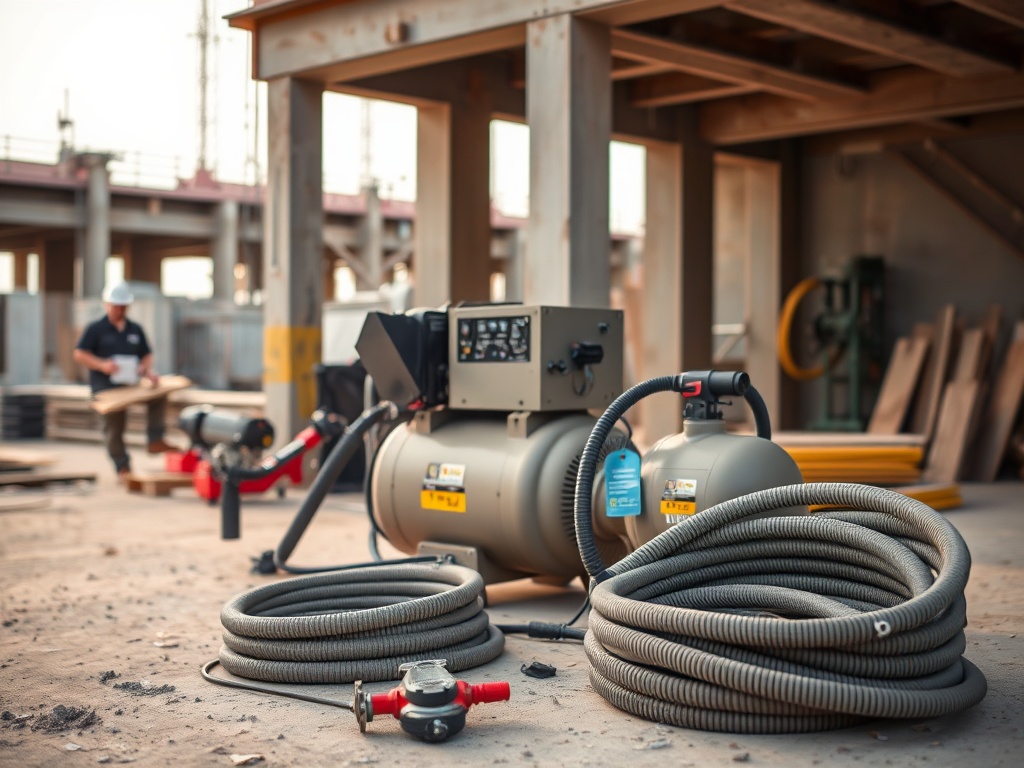
Wage rate is only the starting point. Labor burden may include payroll taxes, insurance, benefits, workers’ compensation, paid time, and other employer costs. Field indirect costs may include supervision, layout tools, small tools, equipment, consumables, safety gear, lifts, storage, temporary protection, and administrative support. These costs do not disappear because the crew is internal. For a connected article on the same site, see Building envelope upgrades that cut leaks and energy waste.
Price schedule pressure honestly
A self-perform estimate should reflect when the work must happen. Night shifts, stacked trades, limited access, winter conditions, occupied spaces, short durations, or phased turnovers can reduce productivity. A crew that performs well in an open area may slow down in a congested renovation. The Whole Building Design Guide’s life-cycle view is a useful reminder that construction choices affect operations and long-term performance, so speed should not erase quality controls.
Use a risk review before finalizing
Before submitting the number, ask what could make the work harder: missing details, unclear substrate conditions, design coordination, long-lead materials, inspection hold points, specialized tools, unfamiliar tolerances, or competing manpower demands. Add clarifications and exclusions where appropriate. A self-perform estimate should be transparent enough that project management can understand the assumptions after the bid is won.
Field comparison points to review
| Factor | What to check | Why it matters |
|---|---|---|
| Scope clarity | Confirm what is included, excluded, and dependent on others. | Reduces change disputes and prevents field assumptions. |
| Field conditions | Check access, phasing, safety, weather, occupancy, and constraints. | The same scope can perform very differently under different conditions. |
| Documentation | Track decisions, inspections, versions, photos, and closeout evidence. | Creates accountability and protects future maintenance teams. |
Use field feedback to improve the next estimate
After the job starts, compare estimated production against actual production. Do not wait until closeout. Weekly checks help the team adjust crew size, sequencing, material delivery, or supervision before losses grow. After the project, keep the lessons in a historical database. The best self-perform estimating systems become sharper because field results are captured honestly, not because the original estimate was treated as perfect. For broader professional context, AIA contract documents can help teams verify terminology and expectations.
Clarifications protect the number
If the estimate assumes normal working hours, clear access, dry substrates, specific equipment availability, or owner-provided shutdown windows, say so. Clarifications are not excuses. They are part of a professional estimate because they show the conditions required for the price to remain valid. When conditions change, the team has a better basis for a change request or schedule discussion.
Documentation that protects the decision
The strongest teams write down the assumption behind the decision before work begins. That record does not need to be complicated. It should identify the scope, the responsible person, the major constraints, the standard for acceptance, and the evidence that will prove the work was completed properly. This habit helps new people understand the decision later, reduces arguments about what was intended, and gives maintenance or operations staff a cleaner handoff after the project is complete.
How to adapt the advice to different projects
Small projects may only need a brief checklist and a shared folder, while complex projects may need formal logs, meetings, signoffs, and owner approval steps. The principle is the same: match the management effort to the risk. A low-risk maintenance task should not be buried in paperwork, but a code-sensitive, safety-sensitive, or hard-to-reverse decision deserves more review. Teams should scale the process without skipping the thinking. Readers comparing adjacent construction decisions may also find RCFA interview questions that surface the real failure story useful.
Separate estimate risk from execution risk
Some risks belong in the estimate, while others belong in the project plan. Unknown quantities, difficult access, and unusual sequencing may require pricing allowances or clarifications. Crew training, daily production tracking, and material staging belong in execution planning. Mixing the two creates confusion. The estimate should say what has been priced; the project plan should say how the crew will protect the assumption.
Build a feedback loop with accounting
Self-perform work often looks different in the field than it does in accounting reports. Labor may be coded too broadly, equipment may be charged to overhead, or small tools may disappear into general costs. Estimators should work with accounting to create cost codes that match how the work is estimated. If cost reports cannot show the difference between layout, installation, rework, cleanup, and supervision, the next estimate will repeat old blind spots.

Practical checklist for this topic
- Write a clear scope boundary.
- Use task-level quantities and production rates.
- Include labor burden and supervision.
- Add equipment, tools, consumables, and material handling.
- Review schedule constraints and risk before final pricing.
Questions teams often ask
Can I use subcontractor pricing as a self-perform benchmark? Yes, but only as a comparison. Your internal price should still be built from your own labor, burden, production, equipment, and risk assumptions. Before applying this guidance, compare it with local requirements and references such as WBDG whole building design.
What is the most common estimating miss? Supervision, lost productivity, and small indirect field costs are often missed because they feel like normal company expenses instead of project costs.
A cleaner estimate before the crew mobilizes
Use this guide as a planning aid, then verify assumptions against the actual project documents, site conditions, governing requirements, and qualified professional input. Construction and maintenance content is for informational and educational purposes only and does not constitute engineering, legal, compliance, safety, or project management advice. Readers comparing adjacent construction decisions may also find The pros and cons of self-perform work for specialty contractors useful.
Next useful step: turn the checklist above into a short project review form so the team can document decisions before work, purchasing, or closeout begins.

Richard Thompson
<b>Location:</b> Phoenix, Arizona Richard Thompson is a blockchain technologist and cryptocurrency analyst with experience across financial services, supply chain, and identity verification. Based in Phoenix, Richard has advised enterprises on blockchain strategy, built decentralized applications, and contributed to open-source projects. His writing at Nano Write covers distributed ledger technology, digital assets, and the regulatory and economic dimensions of the crypto ecosystem. Richard holds a degree in Computer Science and is a passionate advocate for the transformative potential of blockchain. He believes that decentralized technologies can create more transparent, efficient, and equitable systems and his articles help readers understand the opportunities and risks of this rapidly evolving space.
More from Richard