The growing role of indoor air quality in renovation planning

Indoor air quality is becoming a central renovation planning issue because renovation work can disturb dust, moisture, pollutants, ventilation patterns, and occupant routines. Good planning treats IAQ as a design, construction, and operations concern rather than a cleanup task. This article focuses on how to…
Indoor air quality is becoming a central renovation planning issue because renovation work can disturb dust, moisture, pollutants, ventilation patterns, and occupant routines. Good planning treats IAQ as a design, construction, and operations concern rather than a cleanup task. This article focuses on how to explain how IAQ affects renovation scope, phasing, material choices, and handoff for advanced facility teams.
TL;DR: Indoor air quality is becoming a central renovation planning issue because renovation work can disturb dust, moisture, pollutants, ventilation patterns, and occupant routines. Good planning treats IAQ as a design, construction, and operations concern rather than a cleanup task.
Why IAQ belongs in the early scope conversation
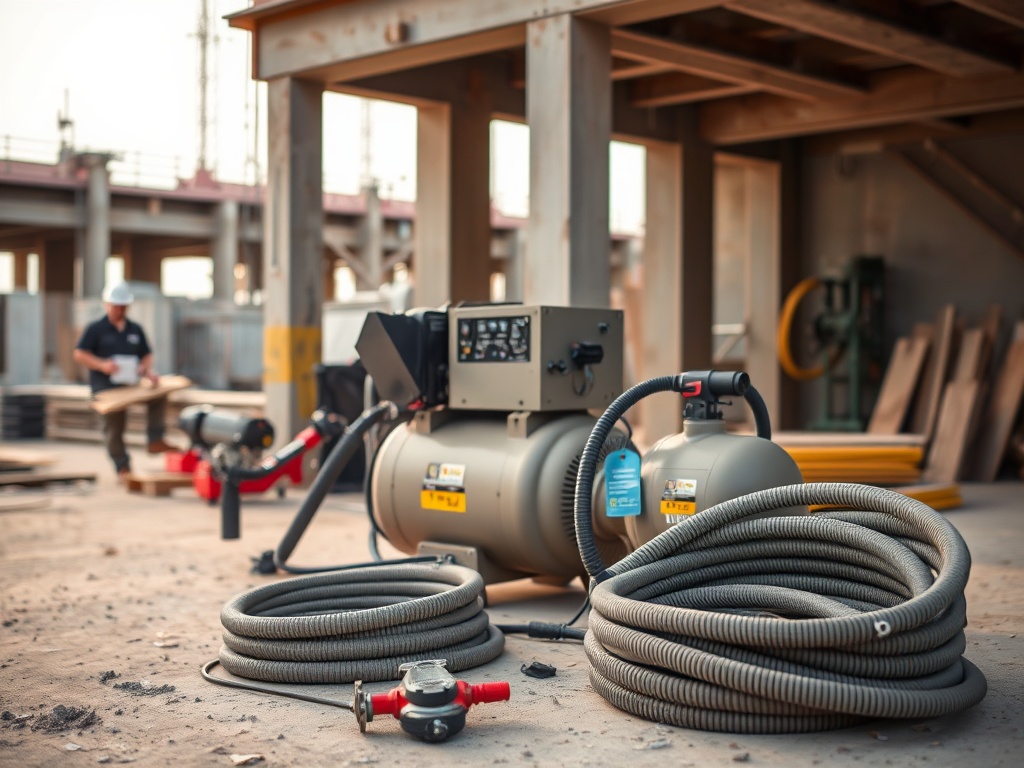
Renovations disturb existing buildings. Demolition, sanding, cutting, adhesive use, moisture intrusion, stored materials, and ventilation changes can all affect indoor air quality. In occupied buildings, the issue becomes more sensitive because staff, tenants, patients, students, or visitors may be nearby while work continues. The EPA Building Air Quality guide, developed with NIOSH, frames IAQ as a practical building-owner and facility-manager concern, not only a design topic.
The renovation risks that deserve attention
The highest-risk conditions usually involve dust migration, moisture, combustion byproducts, volatile organic compounds from products, inadequate ventilation during work, and changes that unintentionally alter pressure relationships. Older buildings may also involve hazardous materials that require qualified assessment and regulated handling. Project teams should avoid casual assumptions. A clean-looking corridor does not prove that particles did not move through return air paths, ceiling plenums, or door gaps.
Planning IAQ controls into phasing
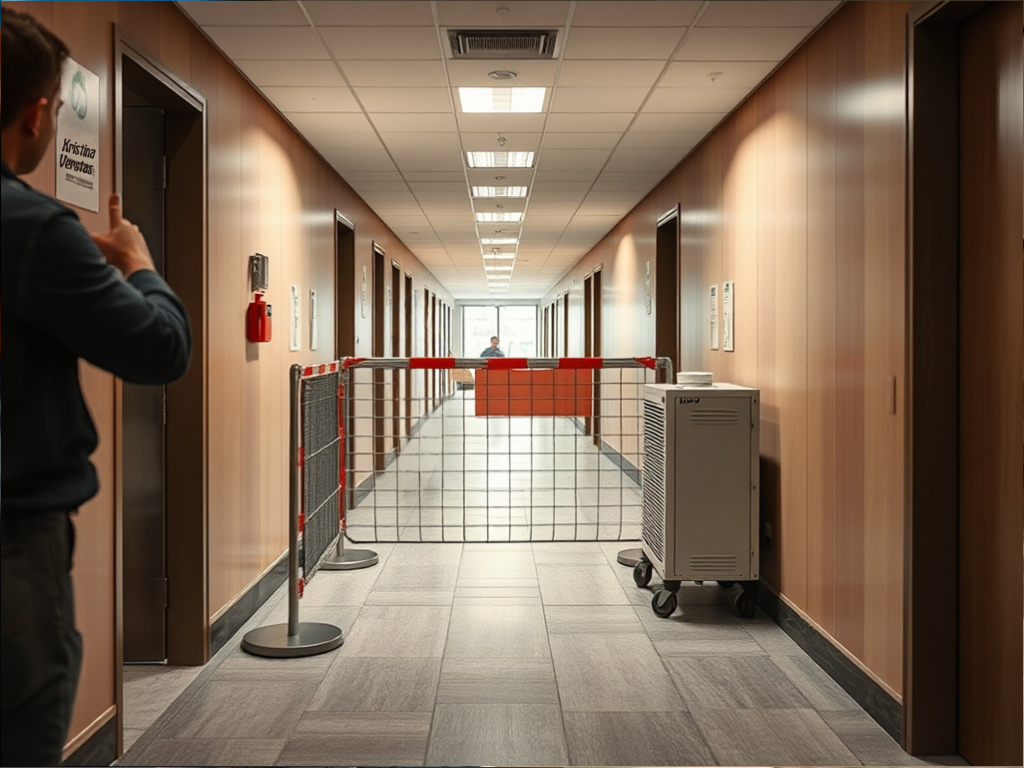
IAQ controls work best when they are designed into phasing. That may include isolating the work zone, protecting returns, using negative pressure where appropriate, sequencing high-dust tasks outside occupied hours, selecting lower-emitting products when suitable, and documenting moisture-sensitive materials. EPA remodeling guidance highlights ventilation and dust control as core renovation concerns, but project teams still need to adapt controls to the building type and local requirements. For a connected article on the same site, see How to set maintenance KPIs that drive better decisions.
Moisture control is part of air quality
Moisture problems can lead to odors, material deterioration, microbial growth, and recurring occupant complaints. Renovation teams should look beyond visible leaks and consider vapor drive, condensation risk, exterior envelope defects, wet materials, plumbing changes, and drying time. EPA moisture-control guidance emphasizes design, construction, and maintenance practices, which is a useful reminder that IAQ is not solved by a single product or final cleaning visit.
How operations should be involved
Facility teams know complaint patterns, sensitive areas, seasonal issues, and past failures. They should help define work-hour limits, occupant communication, filter change planning, access routes, pressure monitoring needs, and turnover documentation. The handoff should include product information, air-side changes, maintenance requirements, and any monitoring records used during construction.
Field comparison points to review
| Factor | What to check | Why it matters |
|---|---|---|
| Scope clarity | Confirm what is included, excluded, and dependent on others. | Reduces change disputes and prevents field assumptions. |
| Field conditions | Check access, phasing, safety, weather, occupancy, and constraints. | The same scope can perform very differently under different conditions. |
| Documentation | Track decisions, inspections, versions, photos, and closeout evidence. | Creates accountability and protects future maintenance teams. |
Material selection should include operations
Lower-emitting materials, cleanable finishes, moisture-resistant assemblies, and accessible filters can support healthier building operation when they fit the use case. These choices should be reviewed with maintenance teams because the best design intent can fail if replacement filters are hard to access, sealant joints are impossible to inspect, or cleaning procedures damage new finishes. IAQ planning is strongest when design, construction, and maintenance expectations match. For broader professional context, EPA Building Air Quality guide can help teams verify terminology and expectations.
Communication is a control measure
Occupants often judge IAQ risk by smell, visible dust, noise, and how clearly the work is explained. Communication does not replace technical controls, but it reduces confusion and helps facility teams spot issues early. Notices should explain what work is happening, which areas are affected, how complaints should be reported, and who is responsible for responding. This is especially useful during phased renovations where conditions change week to week.
Documentation that protects the decision
The strongest teams write down the assumption behind the decision before work begins. That record does not need to be complicated. It should identify the scope, the responsible person, the major constraints, the standard for acceptance, and the evidence that will prove the work was completed properly. This habit helps new people understand the decision later, reduces arguments about what was intended, and gives maintenance or operations staff a cleaner handoff after the project is complete.
How to adapt the advice to different projects
Small projects may only need a brief checklist and a shared folder, while complex projects may need formal logs, meetings, signoffs, and owner approval steps. The principle is the same: match the management effort to the risk. A low-risk maintenance task should not be buried in paperwork, but a code-sensitive, safety-sensitive, or hard-to-reverse decision deserves more review. Teams should scale the process without skipping the thinking. Readers comparing adjacent construction decisions may also find Digital permit tracking and inspection logs for active jobs useful.
Temporary work can create permanent consequences
Renovation teams sometimes treat temporary containment, temporary ventilation, and temporary storage as minor field choices. In reality, those choices can affect finishes, duct cleanliness, occupant trust, and moisture-sensitive materials. Wet drywall, dusty returns, open adhesive containers, or unprotected absorptive materials can create problems that last beyond the construction period. IAQ planning should therefore be written into the site logistics plan, not added after complaints start.
Testing and verification should match the risk
Not every renovation needs extensive testing, but higher-risk projects may need pressure checks, particle monitoring, moisture readings, filter records, or commissioning support. The level of verification should reflect the building use, occupant sensitivity, scope of demolition, and potential contaminants. A realistic plan identifies what will be measured, who will record it, what threshold triggers action, and how results will be shared with operations.

Practical checklist for this topic
- Identify occupied areas and sensitive populations early.
- Control dust paths through barriers, returns, doors, and ceiling spaces.
- Plan ventilation and filtration changes before demolition begins.
- Track moisture-sensitive materials and drying conditions.
- Include IAQ-related controls in closeout and maintenance documentation.
Questions teams often ask
Is IAQ only a concern in healthcare or schools? No. Those settings may be more sensitive, but offices, multifamily properties, retail spaces, and industrial support buildings can also face IAQ complaints during renovation. Before applying this guidance, compare it with local requirements and references such as EPA renovation IAQ guidance.
Can final cleaning solve IAQ problems? Final cleaning helps, but it cannot replace source control, containment, ventilation planning, moisture management, and clear communication during the work.
A healthier renovation handoff
Use this guide as a planning aid, then verify assumptions against the actual project documents, site conditions, governing requirements, and qualified professional input. Construction and maintenance content is for informational and educational purposes only and does not constitute engineering, legal, compliance, safety, or project management advice. Readers comparing adjacent construction decisions may also find RCFA interview questions that surface the real failure story useful.
Next useful step: turn the checklist above into a short project review form so the team can document decisions before work, purchasing, or closeout begins.

Richard Thompson
<b>Location:</b> Phoenix, Arizona Richard Thompson is a blockchain technologist and cryptocurrency analyst with experience across financial services, supply chain, and identity verification. Based in Phoenix, Richard has advised enterprises on blockchain strategy, built decentralized applications, and contributed to open-source projects. His writing at Nano Write covers distributed ledger technology, digital assets, and the regulatory and economic dimensions of the crypto ecosystem. Richard holds a degree in Computer Science and is a passionate advocate for the transformative potential of blockchain. He believes that decentralized technologies can create more transparent, efficient, and equitable systems and his articles help readers understand the opportunities and risks of this rapidly evolving space.
More from Richard