How to Refresh an Outdated Landscape Without Starting Over

An outdated yard rarely needs to be stripped bare. A better refresh usually starts by keeping healthy plants and useful hardscape, removing what no longer works, and making a few high-impact changes to shape, circulation, planting layers, and maintenance. TL;DR Audit before removing anything: separate…
An outdated yard rarely needs to be stripped bare. A better refresh usually starts by keeping healthy plants and useful hardscape, removing what no longer works, and making a few high-impact changes to shape, circulation, planting layers, and maintenance.
TL;DR
- Audit before removing anything: separate healthy assets from real problems.
- Simplify bed lines and improve edges before buying many new plants.
- Prune or relocate overgrown plants when that will solve the problem safely.
- Add structure with repeated plants, mulch, and a clearer focal point.
- Phase larger work so drainage, irrigation, and hardscape decisions are made before new planting.
Begin With an Asset Audit, Not Demolition
Walk the property as if you were seeing it for the first time. Note healthy mature trees, shrubs with good structure, usable patios or paths, views worth keeping, drainage trouble, bare areas, and plants that have clearly outgrown their locations. Take photographs from the street, main entry, patio, and key windows.
The goal is to divide the landscape into three groups: keep, modify, and remove. A healthy established tree can provide shade, scale, wildlife value, and a sense of permanence that is expensive and slow to replace. By contrast, a failing shrub planted over a walkway or a broken edging system may add clutter without adding useful function.
If plant health is uncertain, avoid major pruning or removal until the species and problem are identified. Local extension services can help with region-specific plant diagnostics, pruning timing, and replacement choices. This matters because a landscape refresh should correct the cause of decline rather than simply hide it.
Fix the Lines That Make the Yard Look Tired
One of the fastest visual improvements is often geometric rather than botanical. Uneven bed edges, scattered single plants, awkward strips of lawn, and paths that stop without purpose can make an otherwise healthy landscape feel dated.
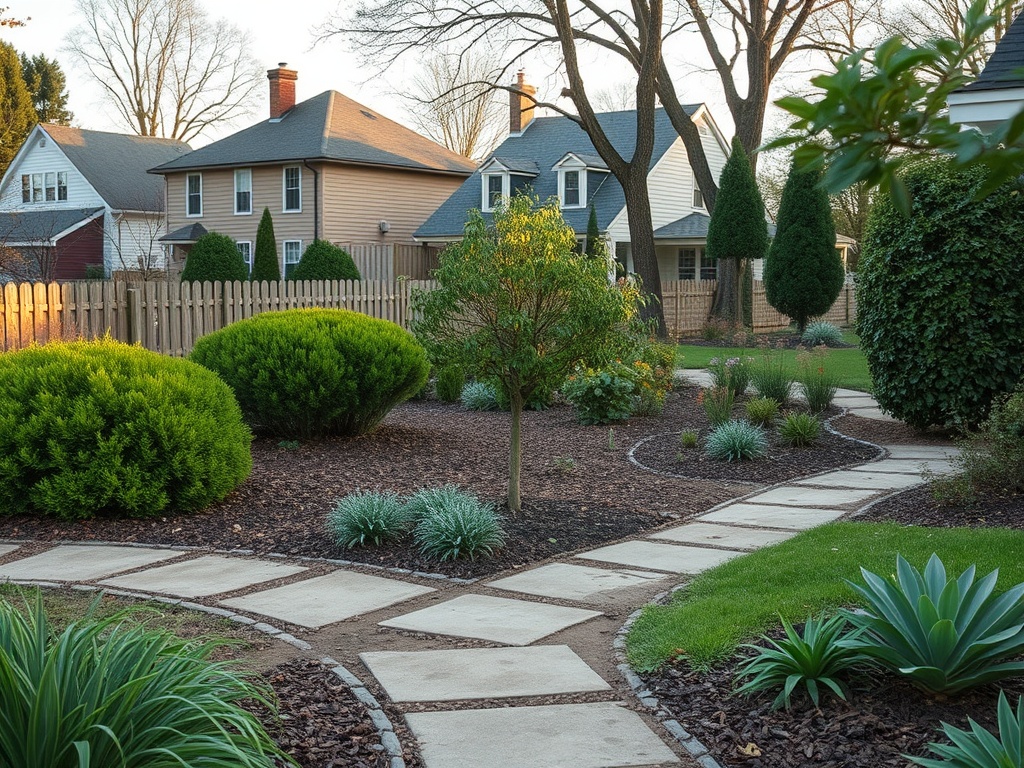
Redraw bed edges with broad, intentional curves or clean straight lines that match the architecture. Expand beds where mowing is difficult around tree roots or tight corners. Remove tiny isolated planting pockets unless they serve a clear purpose. A more coherent outline creates order before you add a single new plant.
This is also the right stage to rethink how water moves through the site. Do not raise soil or mulch against siding, tree trunks, or structural elements simply to make a bed look fuller. Maintain appropriate clearances and direct drainage away from buildings according to local construction and landscape guidance.
Edit Overgrown Plants Before Replacing Them
Mature shrubs often become visually heavy because they were repeatedly sheared into large blocks. Some species can be renewed by selective pruning, while others respond poorly to severe cuts into old wood. Identify the plant first, then use species-specific pruning guidance.
Remove dead, damaged, crossing, or badly placed growth where appropriate. If the plant is healthy but simply too large for its location, consider whether transplanting is realistic. Large established shrubs may not move well without professional help, and root disturbance can be substantial.
Avoid the reflex to turn every shrub into a tight sphere. Selective pruning that respects the natural form often makes an older landscape look lighter and more current while preserving screening and habitat.
Refresh the Planting Palette With Repetition
Older landscapes sometimes accumulate one of everything. The result can feel busy even when the individual plants are attractive. Repetition is a simple way to create cohesion: use a limited palette of reliable plants in groups, then repeat those groups at key points.
Choose replacements based on mature size, light, soil drainage, local climate, and maintenance tolerance. Native or regionally adapted plants can be good candidates when they fit the site, but “native” does not automatically mean maintenance-free or suitable for every exposure.
For a more sustainable direction, the beginner FAQ on eco-friendly gardening explains ways to reduce inputs, improve soil, and support beneficial wildlife without treating one practice as universally best.

Update Mulch and Groundcover With Restraint
Fresh mulch can make a landscape look cleaner, but depth and placement matter. Keep mulch away from trunks and woody stems rather than piling it into volcano shapes. Excess mulch can hold moisture against bark and change root-zone conditions.
Where mulch repeatedly washes away or weeds remain difficult, living groundcovers may be worth considering. Select species that will not become invasive in your region and that suit the light and moisture conditions. A groundcover is not automatically lower maintenance; it still needs establishment care and boundaries.
Rework Irrigation Before New Plants Go In
New plants placed into an old watering pattern can create frustration. Check which zones are working, where overspray lands on pavement, and whether sunny and shady beds are being watered together despite different needs. EPA WaterSense recommends watering according to plant and weather conditions and checking systems for leaks or misdirected spray (EPA Watering Tips).
If the existing system is confusing, start with the beginner FAQ on lawn and garden irrigation before changing controllers, heads, or drip lines. Irrigation upgrades should follow the new planting plan, not precede it blindly.
Give Hardscape a Light-Touch Update
A sound patio, walkway, or deck may need cleaning, repair, or better integration rather than replacement. Reset loose pavers where appropriate, repair damaged joints using compatible materials, and remove vegetation that blocks circulation. For structural decks, railings, stairs, retaining walls, or drainage problems, use qualified professional guidance instead of treating the work as cosmetic.
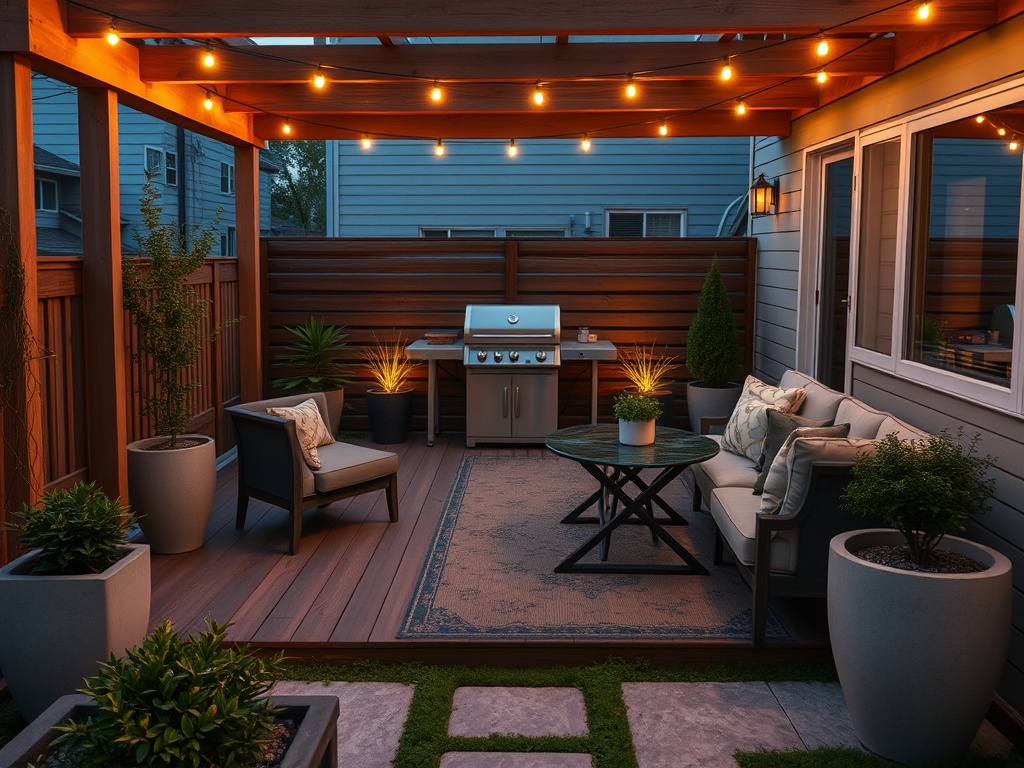
Small furnishing changes can also shift the look of a space. A better seating layout, coordinated planters, warm low-level lighting, or a defined dining zone may make an old patio feel intentional again. If you are reconsidering how the outdoor living area functions, see the beginner FAQ on deck and patio setup.
Phase the Refresh in the Right Order
A practical sequence is:
1. Diagnose drainage, grade, structural, and plant-health problems.
2. Remove dead or unsafe material and clear obvious clutter.
3. Redefine beds, paths, and lawn boundaries.
4. Repair irrigation and hardscape that will affect planting.
5. Prune or relocate plants you are keeping.
6. Add new structural plants, then smaller fillers and seasonal accents.
7. Finish with mulch, groundcover, furnishings, and lighting.
Phasing protects new work from being disturbed later. It also lets you see how each change affects the whole yard before you spend on the next one.
Spend Where the Landscape Needs Structure
If the budget is limited, prioritize changes that improve function or are difficult to redo: drainage, safe hardscape, healthy trees, irrigation layout, and appropriately scaled structural plants. Decorative annuals and accessories can come later.
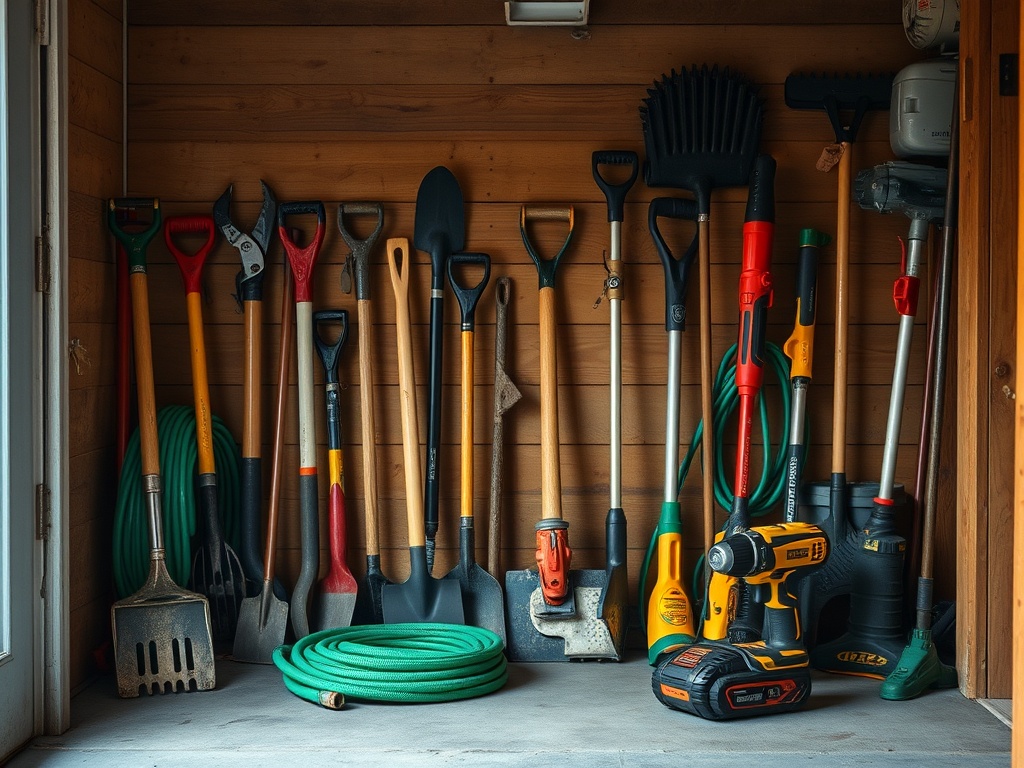
When equipment is part of the plan, avoid buying a specialized tool for one short project unless ownership makes sense. The guide to common garden tool buying mistakes can help you compare renting, borrowing, and buying based on frequency and storage.
Refresh in Phases and Let the Yard Teach You
A landscape looks current when its structure is clear, the plants fit their spaces, and the yard is comfortable to use. That can happen without erasing mature character. Keep what is healthy, simplify what is noisy, and make changes in an order that respects water, access, and long-term plant growth.
Reassess after a growing season before filling every open space. Plants expand, shade patterns change, and maintenance habits become clearer with use. Leaving some room to adjust can produce a more durable result than completing the entire makeover in one weekend.
Informational note: Home and garden information is educational only and is not a substitute for professional horticultural, pest-control, structural, electrical, or legal advice. Follow local codes, utility guidance, and product instructions where applicable.

Dr. Emily Watson
Location: Princeton, New Jersey Dr. Emily Watson is a quantum computing researcher and physicist who translates complex scientific concepts into accessible insights for business and technology leaders. Based in Princeton, home to leading research institutions, Emily holds a PhD in Physics from Princeton University and has published extensively on quantum algorithms and their applications. Her writing at Nano Write covers the science and business of quantum computing, from the physics of qubits to real-world use cases in cryptography, drug discovery, and optimization. Emily believes that quantum computing will be the next major technological revolution and she is committed to preparing leaders for that transformation. Outside of her research, Emily speaks at technology summits and advises startups at the intersection of physics and commerce.
More from Dr. Emily