The pros and cons of self-perform work for specialty contractors

Self-perform work can protect schedule control and quality, but it can also expose specialty contractors to labor, estimating, supervision, and risk-transfer problems if the work is not priced and managed as its own scope. This article focuses on how to help a contractor decide when…
Self-perform work can protect schedule control and quality, but it can also expose specialty contractors to labor, estimating, supervision, and risk-transfer problems if the work is not priced and managed as its own scope. This article focuses on how to help a contractor decide when doing work with their own crews is strategically sound and when it may quietly erode margin.
TL;DR: Self-perform work can protect schedule control and quality, but it can also expose specialty contractors to labor, estimating, supervision, and risk-transfer problems if the work is not priced and managed as its own scope.
What self-performing really changes
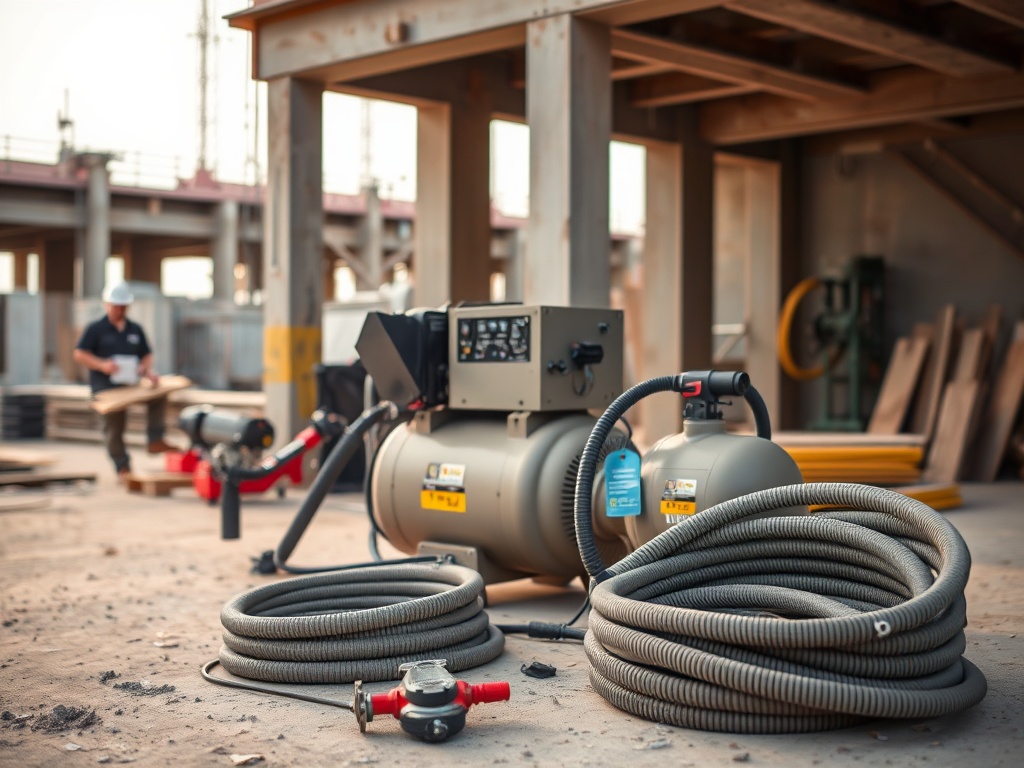
Self-performing means the contractor completes selected labor or installation tasks with internal crews instead of subcontracting that scope out. The decision sounds simple, but it changes estimating, manpower planning, supervision, equipment ownership, safety exposure, and documentation. A crew that performs well on familiar repetitive work may struggle when a project requires a different pace, tolerance, or sequencing pattern. The real question is not whether self-performing is good or bad. The better question is whether the contractor has enough control, data, leadership, and capacity to perform that scope without starving other jobs.
Where the upside is strongest
The benefits are most obvious when the work is central to the company’s trade identity. Internal crews can protect workmanship standards, respond quickly to field changes, and keep production knowledge inside the business. That can matter on specialty scopes where the quality of preparation, layout, fit-up, sequencing, or coordination affects downstream trades. Self-performing also gives project managers more direct visibility into labor productivity, because they are not waiting on another firm’s manpower report or schedule recovery plan.
Where the risk hides
The hidden downside is that self-perform work often feels cheaper before all costs are captured. Supervision, small tools, equipment maintenance, safety meetings, training, mobilization, material handling, rework, and lost opportunity on another project all belong in the estimate. If those costs are treated as overhead rather than project scope, the job can look profitable on paper while draining cash in the field. The risk grows when a contractor adds self-perform work because no subcontractor is available, rather than because internal capacity is truly ready. For a connected article on the same site, see A beginner’s guide to construction documents.
A useful selection test
A strong candidate for self-performing is repeatable, well understood, and supported by people who have completed similar work before. The scope should have clear production assumptions, available supervision, realistic labor loading, and measurable quality checkpoints. If the scope is unusual, code-sensitive, warranty-heavy, or outside the crew’s normal skill set, subcontracting may be the cleaner risk decision even if the subcontract quote looks higher. The evaluation should include schedule value, field control, risk transfer, cash flow, and what the decision does to other active jobs.
Common mistakes to avoid
The most common mistake is comparing a subcontractor’s price against only the hourly wage cost of an internal crew. That ignores burden, inefficiency, supervision, equipment, general conditions, and management time. Another mistake is assuming the best foreman can absorb a new scope without support. Specialty contractors should also avoid using self-perform work as a reflexive response to a bad bid day. When the decision is reactive, teams often skip the planning discipline that makes self-performing work successful. For broader professional context, AIA contract documents can help teams verify terminology and expectations.
Field comparison points to review
| Factor | What to check | Why it matters |
|---|---|---|
| Scope clarity | Confirm what is included, excluded, and dependent on others. | Reduces change disputes and prevents field assumptions. |
| Field conditions | Check access, phasing, safety, weather, occupancy, and constraints. | The same scope can perform very differently under different conditions. |
| Documentation | Track decisions, inspections, versions, photos, and closeout evidence. | Creates accountability and protects future maintenance teams. |
How owners and general contractors read the decision
From the outside, self-performing can signal commitment, available manpower, and deeper trade knowledge. It can also raise questions if the contractor appears to be taking on too much. Owners and construction managers usually want to know that the contractor can document manpower plans, protect schedule commitments, and separate internal production issues from owner-caused changes. Clear reporting helps here. If the contractor tracks daily output, constraint logs, and quality checks, the self-perform choice looks disciplined rather than improvised.
When subcontracting may still be the sharper move
Subcontracting remains useful when the scope requires licenses, specialty equipment, manufacturer certification, unusually high insurance exposure, or deep local labor strength that the contractor does not have. It may also be the better move when a project is already stretching field leaders thin. A good subcontractor can absorb some coordination risk, but only when the subcontract scope is complete and the interface points are clear. The decision should be made before bidding whenever possible, not after the schedule is already under pressure.
Documentation that protects the decision
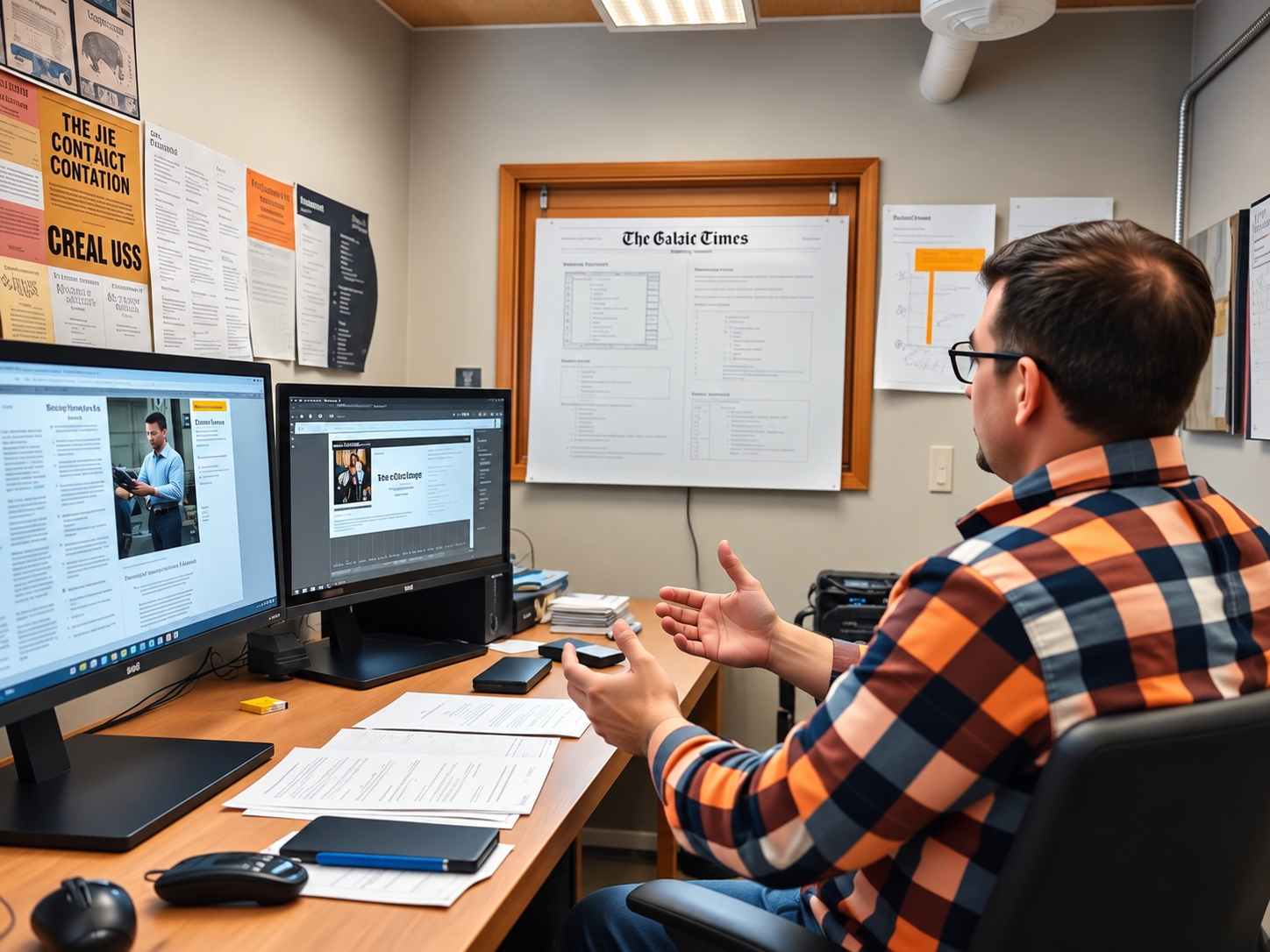
The strongest teams write down the assumption behind the decision before work begins. That record does not need to be complicated. It should identify the scope, the responsible person, the major constraints, the standard for acceptance, and the evidence that will prove the work was completed properly. This habit helps new people understand the decision later, reduces arguments about what was intended, and gives maintenance or operations staff a cleaner handoff after the project is complete. Readers comparing adjacent construction decisions may also find What to look for in a jobsite air compressor useful.
Crew planning should be treated like procurement
Self-perform decisions should have the same discipline as material procurement. The team should know when labor is needed, which foreman owns the work, what equipment must be ready, what production rate is assumed, and what happens if another project also needs the same people. A crew calendar is not enough. The contractor should look at skill mix, supervision depth, apprentices or helpers, overtime exposure, and the effect of moving key people between jobs. If the best people are always used to rescue troubled work, the company may never learn whether its estimates are realistic.
Quality control needs its own budget
Internal crews still need inspections, mockups, checklists, and rework allowances. The danger is familiarity. Teams may assume their own people “know how we do it” and skip written standards. That can be costly when the project has unusual tolerances, a strict owner, or a design team that requires detailed documentation. A better approach is to budget quality time before production starts, capture sample approvals, and hold internal crews to the same documentation standard expected from outside firms.

Practical checklist for this topic
- Confirm internal crews have performed similar work under similar conditions.
- Price labor burden, supervision, equipment, small tools, safety, and cleanup as project costs.
- Check that the work will not pull key people away from higher-value commitments.
- Set production tracking before the crew mobilizes.
- Document scope limits as clearly as you would for a subcontractor.
Questions teams often ask
Is self-perform work always more profitable? No. It may improve control and margin when the contractor has skill, capacity, and reliable production data. It may reduce margin when the estimate misses indirect costs or forces overtime on other jobs. Before applying this guidance, compare it with local requirements and references such as WBDG whole building design.
Should a specialty contractor self-perform unfamiliar work? Usually only with strong supervision, training, and a conservative risk allowance. When the work carries high compliance or warranty exposure, a qualified subcontractor may be a safer choice.
A decision filter before you commit crews
Use this guide as a planning aid, then verify assumptions against the actual project documents, site conditions, governing requirements, and qualified professional input. Construction and maintenance content is for informational and educational purposes only and does not constitute engineering, legal, compliance, safety, or project management advice. Readers comparing adjacent construction decisions may also find The growing role of indoor air quality in renovation planning useful.
Next useful step: turn the checklist above into a short project review form so the team can document decisions before work, purchasing, or closeout begins.

Richard Thompson
<b>Location:</b> Phoenix, Arizona Richard Thompson is a blockchain technologist and cryptocurrency analyst with experience across financial services, supply chain, and identity verification. Based in Phoenix, Richard has advised enterprises on blockchain strategy, built decentralized applications, and contributed to open-source projects. His writing at Nano Write covers distributed ledger technology, digital assets, and the regulatory and economic dimensions of the crypto ecosystem. Richard holds a degree in Computer Science and is a passionate advocate for the transformative potential of blockchain. He believes that decentralized technologies can create more transparent, efficient, and equitable systems and his articles help readers understand the opportunities and risks of this rapidly evolving space.
More from Richard