How to Personalize Business Stays by Trip Purpose

Approx. 1113 words Business lodging should be matched to the work the traveler must accomplish. A one-night client visit, a multi-day conference, a project assignment, and a bleisure extension place different demands on location, room setup, schedule flexibility, expenses, and on-property services. The Work-Trip Brief…
Approx. 1113 words
Business lodging should be matched to the work the traveler must accomplish. A one-night client visit, a multi-day conference, a project assignment, and a bleisure extension place different demands on location, room setup, schedule flexibility, expenses, and on-property services.
The Work-Trip Brief
- Choose the hotel around meeting locations and work requirements before leisure amenities.
- Build buffer time for transport, check-in, and schedule changes that could affect business commitments.
- If leisure is added, keep the work portion reliable first and personalize the extension separately.
Classify the Trip Before Choosing the Property
A client-meeting trip usually rewards proximity and predictability. A conference stay may prioritize direct access to the venue and a room where the traveler can recover between sessions. A longer project assignment may make laundry, storage, a kitchenette, and comfortable workspace more important. A bleisure trip adds another layer: the hotel has to support work obligations and the traveler's preferred way to spend personal time.
For travelers whose organizations use formal reimbursement rules, the U.S. General Services Administration per diem resources show how lodging and meal allowances can vary by location and period for federal travel. Private employers use their own policies, but the planning principle is broadly useful: confirm applicable limits and reimbursable categories before choosing upgrades or a location that increases transportation costs.
Personalize by Business Traveler Profile
Solo Business Traveler: Reduce Failure Points
The solo business guest often benefits from a simple route from arrival point to hotel, a quiet room, reliable connectivity, easy meals, and straightforward late or early access. The room does not need to be large if the work setup functions well. Check desk size, power access, Wi-Fi terms, breakfast hours, parking or transit, and the realistic travel time to the first commitment.
Colleagues Traveling Together: Coordinate Without Over-Scheduling
A team should decide what needs to be shared. Staying at the same property can simplify transportation and morning departures, but colleagues may still need private rooms and independent downtime. Identify one meeting point and one communication channel. If the trip includes group dinners or client events, verify reservation requirements rather than assuming the hotel can accommodate a large party at short notice.
Business Traveler With a Partner or Family: Separate Work Needs From Companion Needs
When companions join, the most useful hotel is often one that allows them to have a good day without interfering with the work schedule. Walkable areas, independent transport, pool or recreational access, and flexible dining may matter more than they would on a solo work trip. The business traveler still needs quiet, connectivity, and efficient access to meetings, so the final choice is a balance rather than a leisure upgrade.
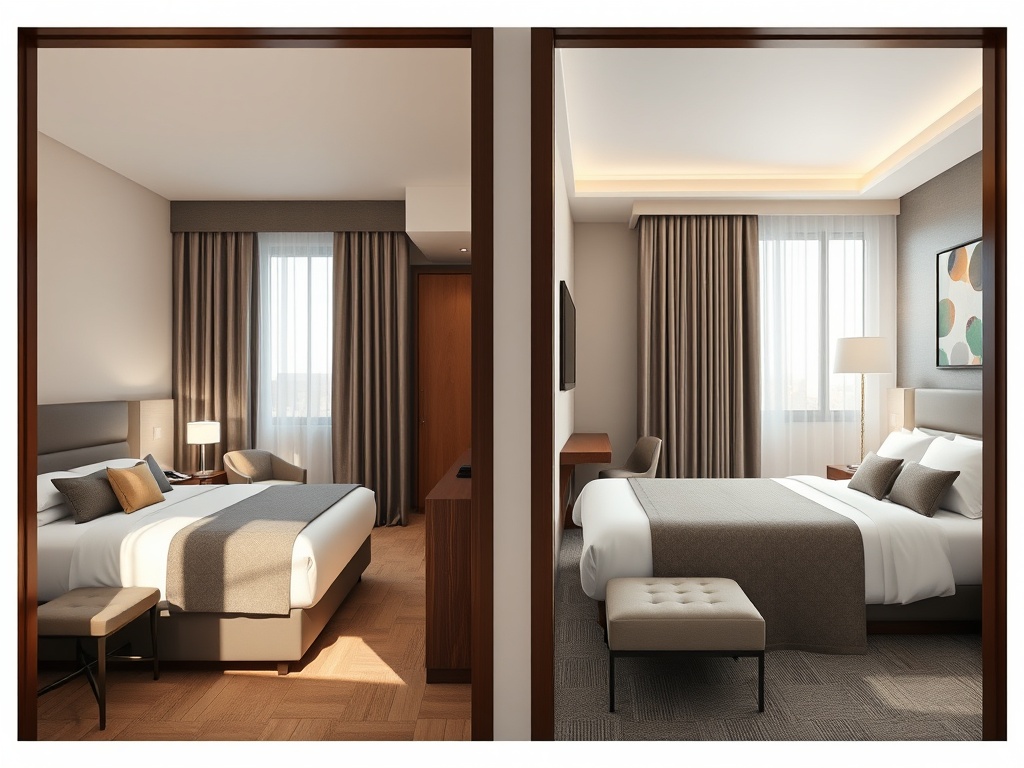
The room itself may need to do more on these mixed-purpose trips. The guide to choosing a room by trip type can help distinguish workspace, sleeping, and shared-living priorities.
Bleisure Traveler: Put a Clean Boundary Around Work
Bleisure personalization works best when the traveler knows when the work trip ends and the leisure stay begins. That may mean changing hotels, extending the same reservation, or keeping the same room while shifting the daily schedule. Compare the cost and inconvenience of each option. A resort may be attractive for the extension, but it can be a poor choice during the meeting days if transfers are long or the work environment is distracting.
A Business-Stay Personalization Matrix
Use the table to match lodging decisions to the actual business purpose instead of treating every corporate trip the same.
| Trip profile | Location priority | Room priority | Schedule priority | Expense check |
|---|---|---|---|---|
| Client visit | Close to client or efficient transport | Quiet, functional workspace | Buffers around key meeting | Ground transport and cancellation |
| Conference | Venue access | Rest and work between sessions | Session-led with recovery time | Conference rate and dates |
| Project assignment | Daily commute reliability | Storage, laundry, extended-stay function | Repeatable routine | Long-stay terms and meals |
| Team travel | Shared transport simplicity | Private rooms plus meeting point | Coordinated anchors | Group booking rules |
| Bleisure | Work access first, leisure access second | Workspace plus comfort | Clear work/leisure boundary | Personal versus reimbursable spend |
Price the Whole Business Trip
Business travelers should compare the total lodging amount and the costs created by location. The FTC lodging fee guidance applies to covered short-term lodging price displays in the United States and requires upfront total-price treatment for mandatory fees that can be calculated in advance. Company policy may impose additional rules, so travelers should keep personal upgrades separate from reimbursable charges when necessary.
Add likely rides, parking, breakfast, meeting transfers, and change fees to the comparison. A lower room rate that creates two paid rides every day can cost more than a centrally located hotel. Time also matters: a reliable 10-minute walk can be more valuable than a cheaper room that depends on unpredictable peak-hour transport.
Treat Luxury as a Functional Choice When It Helps
Premium lodging can be justified when it solves a real business need, such as on-site meeting facilities, a quieter work environment, stronger service support, or a location that removes transportation. The decision framework for personalizing luxury stays by travel style can help keep upgrades tied to purpose rather than status.
Plan the Leisure Layer Separately
When the trip includes a partner, family, or personal extension, use the general structure in planning stays for different traveler types. Work obligations should remain the fixed points; leisure activities can fill the open periods without threatening arrival times, rest, or preparation.
Design the Arrival and Departure Around Work Commitments
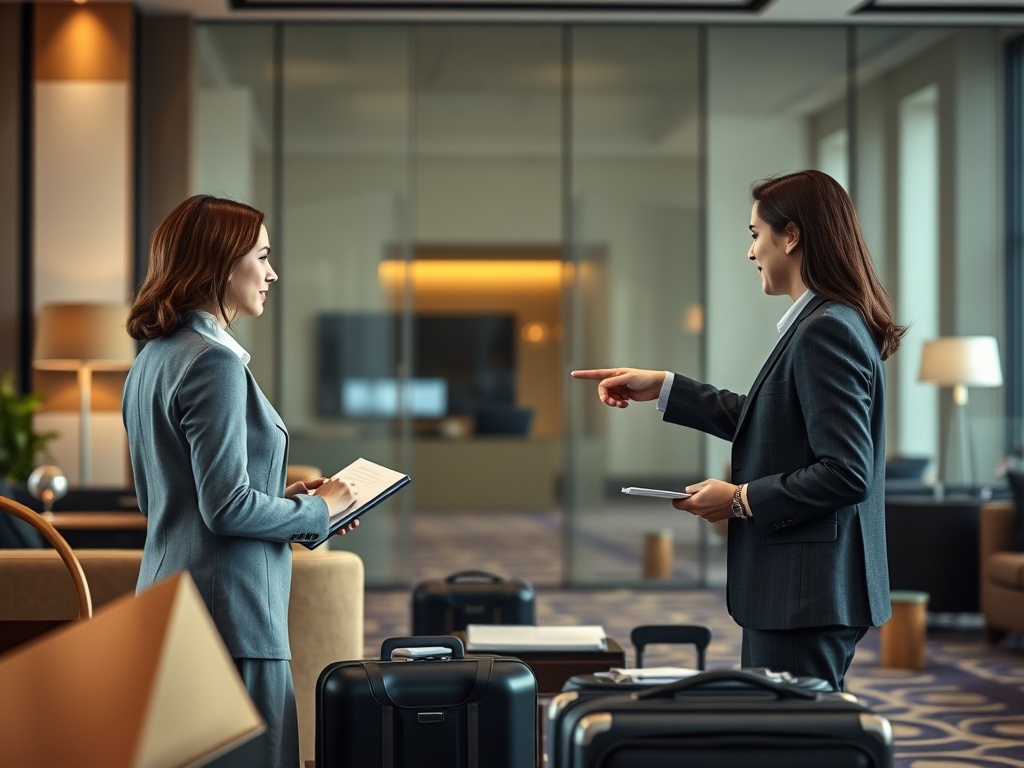
Arrival timing is part of business-stay personalization. If a traveler lands shortly before an important meeting, confirm luggage storage, early check-in possibilities, and a place to change or work if the room is not ready. For early departures, check overnight desk coverage, transport availability, breakfast timing, and invoice procedures. These small operational details can matter more than leisure facilities on a short work trip.
A backup plan is especially useful when the schedule is tight. Save an alternate transport method, meeting address, and hotel phone number. If the property is part of a large resort or conference complex, confirm the exact building or entrance so the traveler is not solving orientation problems minutes before a commitment.
Finish With a Business-Ready Confirmation Check
Before departure, save the hotel confirmation, cancellation rules, address, contact details, expense policy, meeting locations, and a backup transport option. Verify late-arrival procedures if the schedule is tight. A personalized business stay succeeds when the lodging quietly supports the trip purpose, gives the traveler enough control to handle changes, and leaves leisure features in the right supporting role.

James Park
<b>Location:</b> Ann Arbor, Michigan James Park is a robotics engineer and automation specialist with a focus on industrial applications of AI and machine learning. Based in Ann Arbor, home to leading robotics research, James has worked on autonomous systems, warehouse automation, and collaborative robots for manufacturing and logistics. His writing at Nano Write covers the technology and business of robotics, from hardware design to software integration to workforce implications. James holds a degree in Mechanical Engineering and is a passionate advocate for human-robot collaboration he believes that automation should augment, not replace, human capability. His articles offer a balanced, informed perspective on the future of work in an increasingly automated world. James also mentors engineering students and competes in robot design challenges.
More from James