How to Personalize Luxury Stays for Different Travel Styles

Approx. 1134 words Luxury lodging is most useful when premium features are matched to a traveler's style and priorities. A quiet couple, an active family, a social group, a solo traveler, and a business guest may all value high-end service, but they are likely to…
Approx. 1134 words
Luxury lodging is most useful when premium features are matched to a traveler's style and priorities. A quiet couple, an active family, a social group, a solo traveler, and a business guest may all value high-end service, but they are likely to define a worthwhile upgrade in different ways.
The Premium-Stay Principle
- Pay for premium features that change the experience you actually plan to have.
- Confirm room features, inclusions, access arrangements, and reservation requirements rather than relying on category labels.
- Use service and convenience to reduce friction, not to fill the itinerary with extras.
Define What Luxury Means for This Trip
Luxury can mean space, privacy, time saved, design, food, personal service, location, or access to activities. Decide which two dimensions matter most before comparing properties. A traveler who wants quiet may value a secluded room more than a club lounge. A family may value a larger suite and efficient transfers more than formal dining. A business guest may care most about a central location, calm workspace, and responsive service when plans change.
Price should still be compared transparently. The FTC guidance on short-term lodging fees explains the U.S. requirement for covered sellers displaying prices to present total prices that include mandatory charges calculable upfront. Luxury properties may also offer optional packages or services, so travelers should distinguish mandatory charges from upgrades they actively choose.
Match Premium Features to Travel Style
Couples: Invest in Privacy or Shared Experiences
Couples can prioritize the feature that supports the purpose of the trip: a quieter room location, a distinctive view, flexible dining, a spa reservation, or easier access to a preferred activity. Booking every premium option can dilute the experience and inflate cost. A smaller number of intentional upgrades usually creates a clearer sense of value.
Couples heading to the coast can combine this approach with personalizing a beach resort stay to evaluate how privacy, beach access, dining, and weather flexibility fit together.
Families: Buy Space and Convenience Before Formality
For families, luxury often becomes practical. A suite with separation, a shorter walk to activities, dependable transport, on-site food choices, laundry service, or faster access to the room can be more useful than ceremonial service touches. Confirm occupancy, actual bedding, connecting-room status, kids-program rules, and any charges for additional guests. The most valuable premium feature is often the one that makes transitions easier.
Groups: Use Service to Simplify Coordination
Groups may benefit from concierge help, dining coordination, transfers, or shared spaces, but the group should still understand booking terms and responsibilities. Ask what can be confirmed in advance and what remains a request. If rooms need to be close together, clarify whether that can be guaranteed. If one traveler is organizing the stay, document deposits, deadlines, and who has authority to change reservations.
Solo and Business Travelers: Pay for Control
A solo traveler may value 24-hour service, central access, a calm public environment, or an easy-to-book activity program. A business guest may pay for proximity, quiet, flexible service, and the ability to handle a schedule change quickly. In both cases, luxury is less about the number of amenities and more about reducing uncertainty.
A Luxury-Stay Personalization Matrix
The matrix helps identify which premium attributes are likely to matter most. Treat it as a starting point and verify the exact property offering.
| Travel style | Premium feature to prioritize | Room emphasis | Service emphasis | Upgrade to question |
|---|---|---|---|---|
| Romantic couple | Privacy or memorable shared element | Quiet, view, comfort | Dining or spa coordination | Extras neither person values |
| Family | Space and friction reduction | Suite, storage, practical access | Transport and family logistics | Formal perks with little daily use |
| Friends/group | Coordination and shared space | Proximity where possible | Group dining and transfers | Duplicate upgrades across rooms |
| Solo leisure | Control and easy access | Comfortable central base | Individual booking support | Large space without a use case |
| Business/bleisure | Time saved and reliability | Workspace and quiet | Fast problem resolution | Leisure extras during work days |

Use Room Choice to Concentrate the Upgrade
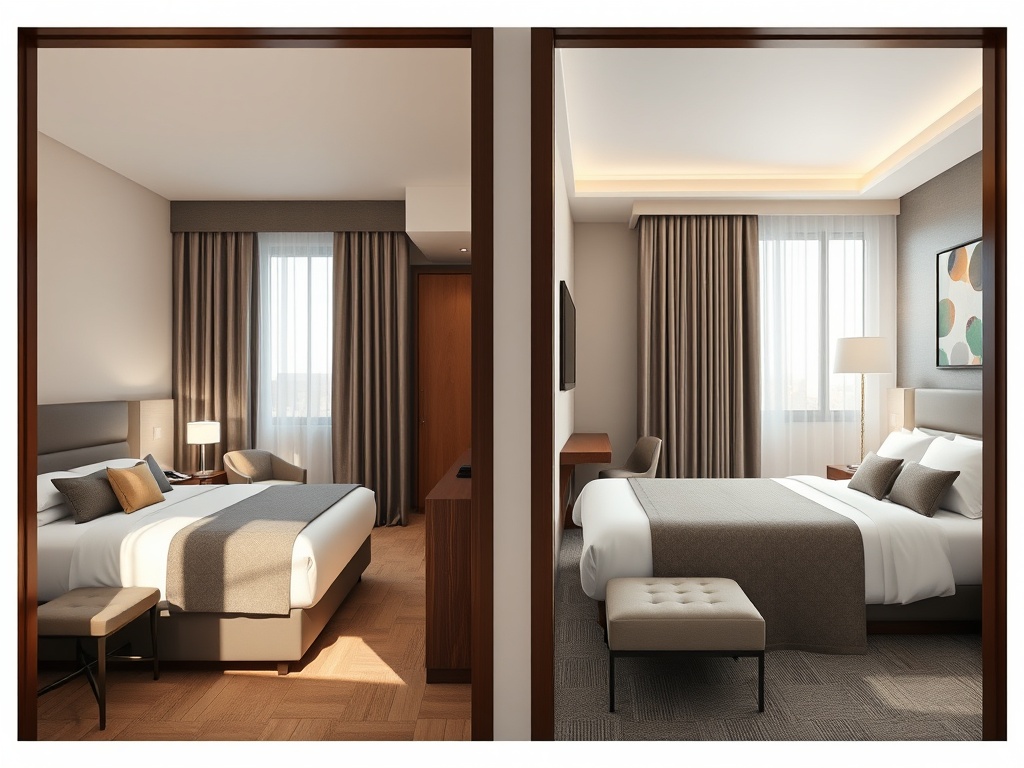
Room categories are a major driver of premium pricing, so upgrade where the difference is meaningful. The framework in choosing hotel rooms by trip type can help compare size, layout, view, access, and workspace against the itinerary instead of assuming the highest category is the best fit.
If a traveler needs accessible features, the Department of Justice Title III lodging regulations provide formal U.S. requirements around lodging reservations and accessible room information. Travelers should identify the specific features they need and have them confirmed through the reservation process.
Keep the Daily Rhythm Consistent With the Travel Style
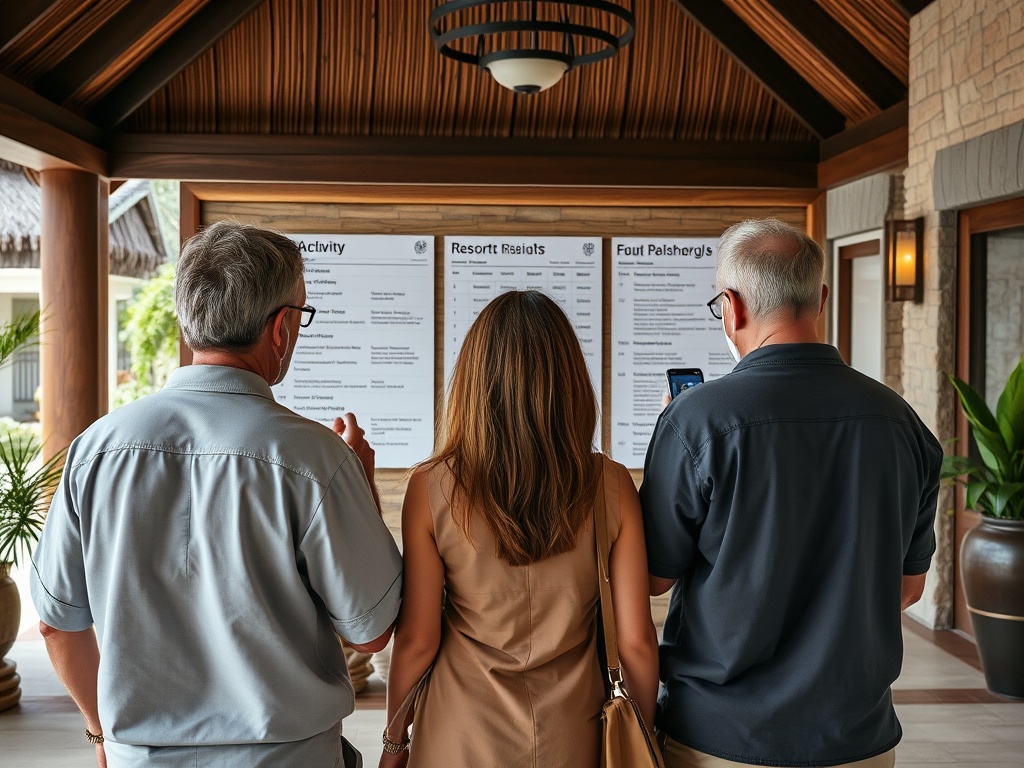
Luxury can become tiring when every hour is reserved. A slower traveler may want one planned experience per day, while an active traveler may want early starts and multiple bookings. The guide to building a resort schedule by traveler type offers a way to match activity timing to energy and social preferences.
Ask which dining, spa, transport, or activity services require advance reservations and which can remain flexible. Availability changes, so treat specific time slots as confirmed only when the property or provider has actually reserved them.
Evaluate Luxury by the Friction It Removes
At checkout, ask a simple question: which premium features saved time, created comfort, or enabled an experience the traveler genuinely wanted? That test is more useful than counting amenities. For future trips, keep the upgrades that mattered and drop the ones that were barely used.
Ask What the Service Model Actually Includes
Premium service varies widely. Some properties may include airport transfers, breakfast, lounge access, concierge support, or activities in a room category, while others price them separately. Request a current inclusion list and identify which items the traveler would otherwise purchase. That creates a fairer comparison between two hotels with very different headline rates.
Service is also valuable when it protects time. A traveler arriving late, coordinating a family, or managing a business schedule may reasonably value responsive assistance more than a decorative upgrade. Treat those benefits as practical conveniences and avoid assuming they guarantee a superior subjective experience for every guest.
When two premium properties seem similar, compare the specific moments where service might matter: arrival, dining reservations, transportation, room changes, activity bookings, and departure. A traveler who expects to use those touchpoints may value service more than someone planning an independent itinerary outside the property.
Choose Premium With a Clear Purpose
A personalized luxury stay is selective. Verify the room and inclusions, identify the services that support the travel style, and reserve only the experiences that need advance commitment. The goal is not to maximize consumption; it is to make the stay feel effortless in the areas the traveler values most.

James Park
<b>Location:</b> Ann Arbor, Michigan James Park is a robotics engineer and automation specialist with a focus on industrial applications of AI and machine learning. Based in Ann Arbor, home to leading robotics research, James has worked on autonomous systems, warehouse automation, and collaborative robots for manufacturing and logistics. His writing at Nano Write covers the technology and business of robotics, from hardware design to software integration to workforce implications. James holds a degree in Mechanical Engineering and is a passionate advocate for human-robot collaboration he believes that automation should augment, not replace, human capability. His articles offer a balanced, informed perspective on the future of work in an increasingly automated world. James also mentors engineering students and competes in robot design challenges.
More from James