Personalizing Beach Resort Stays for Couples, Families, and Groups

A beach resort works best when the stay is designed around who is traveling, not around a generic list of amenities. Couples may value privacy and flexible dining, families often need practical room layouts and predictable routines, groups benefit from coordination space, and solo or…
A beach resort works best when the stay is designed around who is traveling, not around a generic list of amenities. Couples may value privacy and flexible dining, families often need practical room layouts and predictable routines, groups benefit from coordination space, and solo or business travelers may prioritize convenience, connectivity, and control over their time.
The Beach-Stay Brief
- Choose the resort around the group’s daily rhythm, room needs, and must-do activities before comparing extras.
- Confirm what is actually included in the rate, which facilities require reservations, and how weather could affect outdoor plans.
- Leave enough unscheduled time so the trip can adapt to heat, rain, changing energy levels, and individual preferences.
Define the Trip Before Comparing Resorts
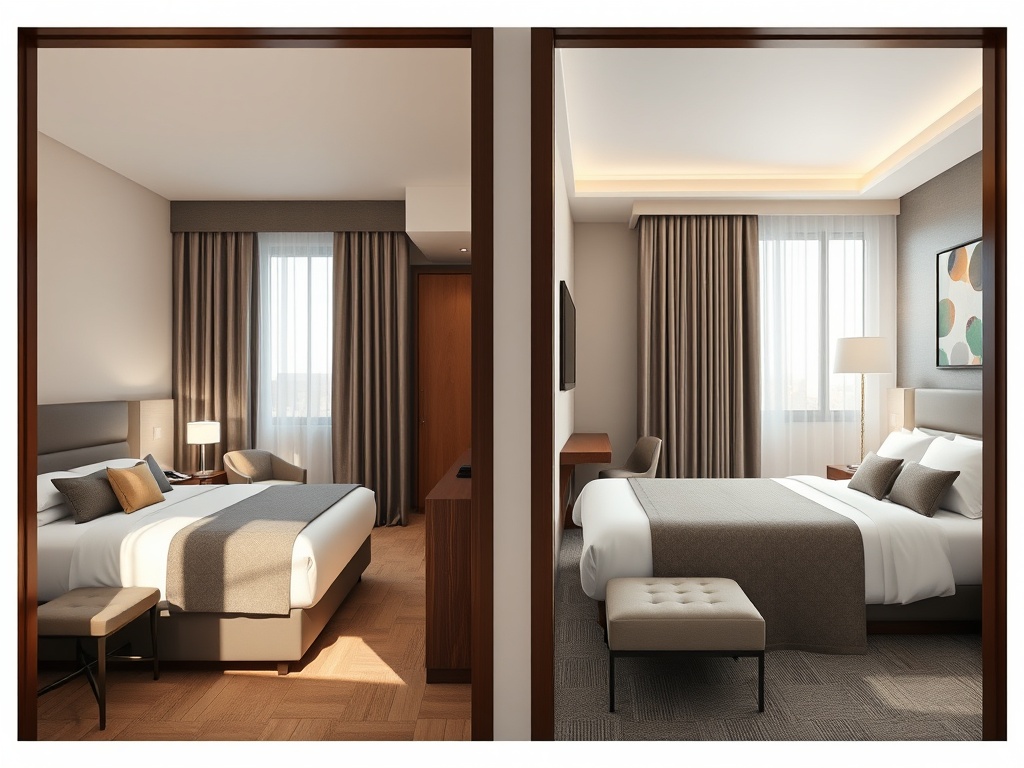
Start with the reason for the beach trip. A couple celebrating an anniversary may want an adults-oriented setting, quieter room location, late dining options, and easy access to a spa or shoreline. A multigenerational family may care more about connecting rooms, shaded areas, elevators, shallow-water options, and dining that works for different ages. A group of friends may prefer a property where rooms, social spaces, and activities are close together.
Weather belongs in the first round of planning rather than the final packing check. Coastal hazards can change access to beaches, water activities, transportation, and even property operations. The National Hurricane Center’s hurricane hazard guidance explains risks such as storm surge, heavy rainfall, high winds, rip currents, and tornadoes. That does not mean every coastal trip is risky; it means travelers should check official forecasts and the property’s change or cancellation terms when traveling during storm-prone periods.
Match Beach Priorities to the Traveler Type
Couples: Protect Time and Privacy
For couples, personalization often means reducing friction. Look at how far the room is from nightlife, family pools, elevators, and event spaces. Confirm whether restaurants need advance reservations and whether the preferred beach area is public, private, or shared with day visitors. If relaxation is the goal, a smaller activity schedule may be more useful than a resort with dozens of options that create pressure to keep moving.
A couple can also borrow ideas from personalizing a luxury stay by travel style: decide which one or two upgrades would materially improve the trip, then ignore extras that do not support the purpose of the stay.
Families: Design for Transitions
Families usually experience the resort in short cycles: breakfast, beach or pool, rest, another activity, dinner, and bedtime. The room should support those transitions. Consider sleeping separation, refrigerator access, laundry options, stroller-friendly routes, shade, nearby restrooms, and how long it takes to return to the room from the main pool or beach. A beautiful property can become tiring if every simple task requires a long walk.
Pool and water safety should be treated as a practical planning issue rather than an amenity detail. The CDC’s healthy swimming guidance recommends attention to supervision, water safety skills, and conditions at pools and natural bodies of water. Families can use those principles when deciding which aquatic facilities fit their children’s ages and swimming abilities.
Groups: Create a Shared Core and Optional Branches
Groups rarely want the same activity at the same time. A better plan identifies a few shared anchors, such as breakfast, one excursion, and dinner, while leaving open blocks for smaller subgroups. Choose a property with an obvious meeting point and a communication method that works even when people are away from Wi-Fi. If rooms are spread across multiple buildings, ask whether the property can note a proximity request, while recognizing that room placement is usually subject to availability.
Solo and Business Travelers: Keep Control of the Day
Solo travelers may prioritize a central room location, visible public areas, reliable transport, and activities that can be booked individually. Business travelers extending a work trip may need a quiet workspace, dependable connectivity, early breakfast, simple transfers, and the ability to switch from work mode to beach time without crossing a large property. The best fit is the resort that minimizes unnecessary logistics.
A Simple Beach Resort Personalization Matrix
Use the matrix as a shortlist tool, not as a scoring system. The relative importance of each factor changes by traveler, destination, season, and trip purpose.
| Traveler type | Room and location priority | Activity pattern | Dining and timing | Watch closely |
|---|---|---|---|---|
| Couple | Quiet zone, view or privacy if valued | One or two shared experiences plus downtime | Flexible reservations and later options | Noise, event schedules, transfer time |
| Family | Space, practical storage, easy pool or beach access | Short activity blocks with rest periods | Early and flexible choices | Walking distance, shade, water safety |
| Group | Nearby rooms if possible, social space | Shared anchors with optional breakouts | Group booking rules and split-payment details | Coordination, reservation limits |
| Solo traveler | Convenient location and straightforward access | Individually bookable activities | Simple, flexible meal options | Transport and late-return logistics |
| Business guest | Quiet work setup and efficient access | Work first, short recreation windows | Early breakfast or quick service | Connectivity, transfers, noise |
Build the Daily Schedule Around Energy, Not Just Attractions
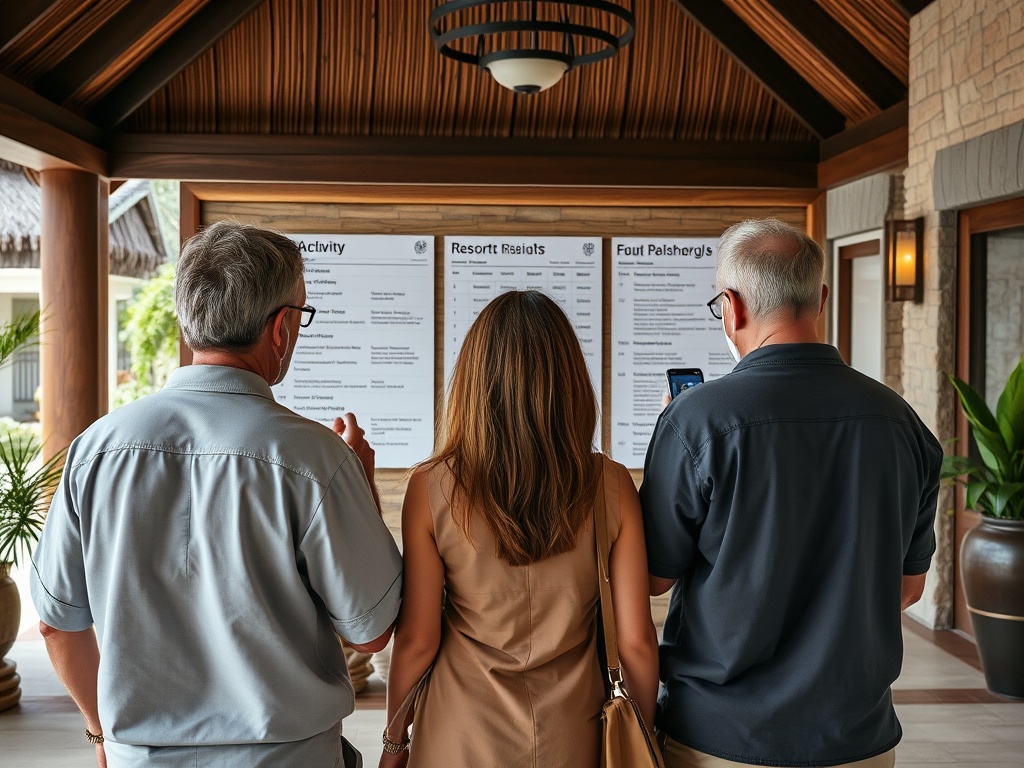
The same resort can feel completely different depending on timing. Families may do better with active mornings and a protected midday break. Couples may prefer a slower morning and a late-afternoon activity. Groups often need one confirmed meeting window rather than an hour-by-hour plan. For a deeper way to organize those choices, see building a resort schedule around traveler types.
Before arrival, identify which activities truly require reservations and which can remain spontaneous. Ask the property about operating hours, age or height restrictions, transportation between resort areas, dress requirements, and weather-related cancellation policies. Those details are verifiable; judgments about which activity is “best” are personal and should depend on the people traveling.
Make the Booking Flexible Enough for the Group
Personalization does not end when the room is reserved. Recheck the confirmation for occupancy limits, bedding, taxes and mandatory charges, deposit rules, cancellation deadlines, airport transfer details, and any requests the property has acknowledged. Requests such as adjoining rooms or specific views should not be treated as guaranteed unless the booking terms explicitly say so.
If the traveler mix changes before departure, revisit the broader planning framework in planning hotel and resort stays for different traveler types. A beach resort shortlist that was right for two adults may not remain right when a child, grandparent, or additional couple joins the trip.
Turn the Shortlist Into a Better Beach Stay
Choose the property that solves the most important practical needs with the fewest trade-offs. Verify room configuration, access to the beach and pools, transportation, dining reservations, and weather policies directly with the property or booking provider. Then keep some open time in the itinerary. A personalized beach trip is not the one with the most amenities; it is the one whose pace, spaces, and commitments fit the people actually taking it.

James Park
<b>Location:</b> Ann Arbor, Michigan James Park is a robotics engineer and automation specialist with a focus on industrial applications of AI and machine learning. Based in Ann Arbor, home to leading robotics research, James has worked on autonomous systems, warehouse automation, and collaborative robots for manufacturing and logistics. His writing at Nano Write covers the technology and business of robotics, from hardware design to software integration to workforce implications. James holds a degree in Mechanical Engineering and is a passionate advocate for human-robot collaboration he believes that automation should augment, not replace, human capability. His articles offer a balanced, informed perspective on the future of work in an increasingly automated world. James also mentors engineering students and competes in robot design challenges.
More from James