When Hospital Dentistry Makes More Sense Than Office Treatment

Hospital dentistry may make more sense than office treatment when a patient’s medical condition, disability, age, anxiety level, airway risk, treatment complexity, or need for general anesthesia makes routine dental-office care unsafe or incomplete. The goal is not a more dramatic setting; it is the…
Hospital dentistry may make more sense than office treatment when a patient’s medical condition, disability, age, anxiety level, airway risk, treatment complexity, or need for general anesthesia makes routine dental-office care unsafe or incomplete. The goal is not a more dramatic setting; it is the right level of monitoring, equipment, staffing, and coordination.
Care-setting quick take: Office dentistry works for most patients. Hospital or ambulatory surgery-center care may be considered when dental disease is extensive, behavior support is not enough, special health care needs are significant, or medical risks require anesthesia and medical backup. The decision should be made with clear indications, not convenience alone.
What “hospital dentistry” can mean
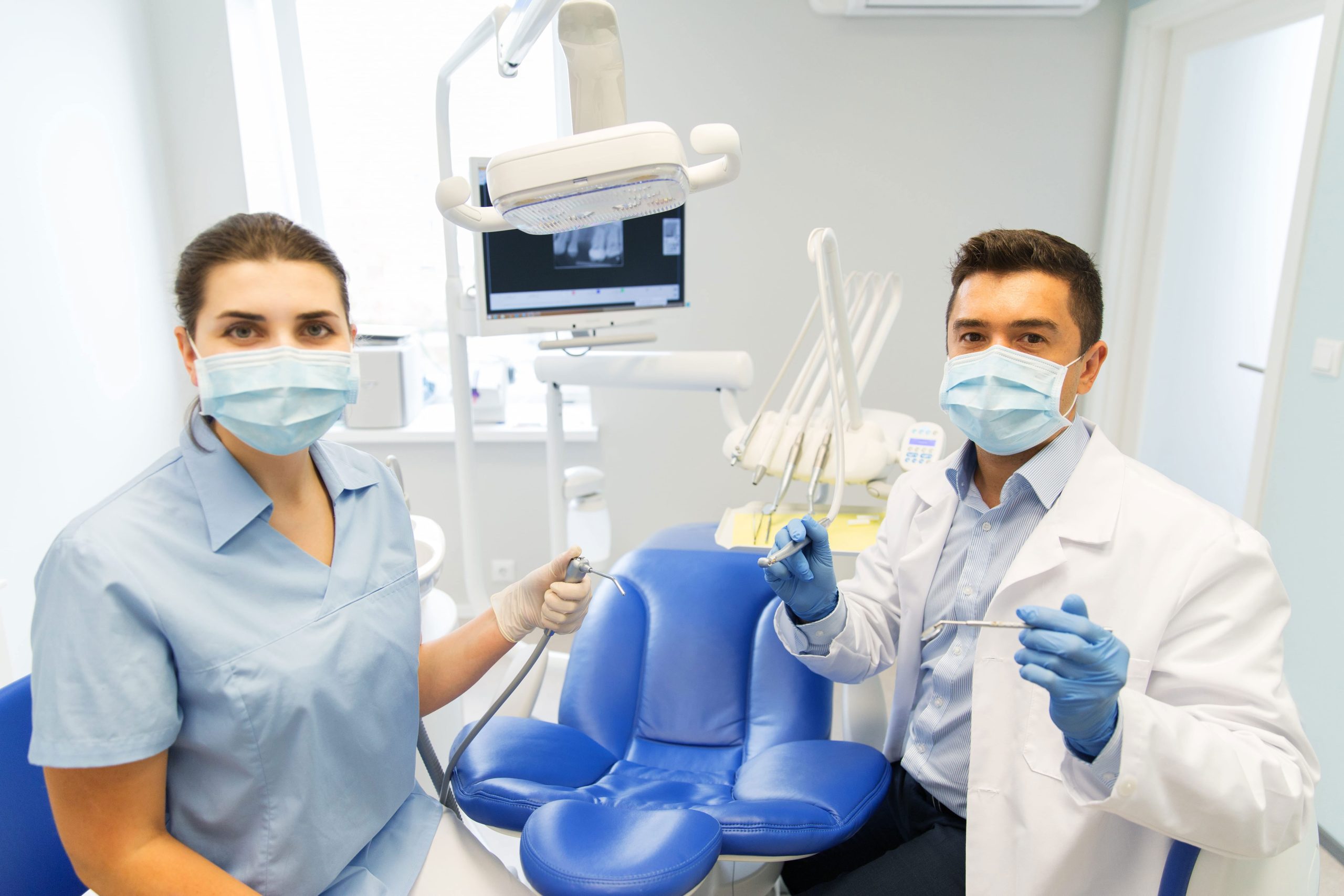
Hospital dentistry usually refers to dental care delivered in a hospital operating room or ambulatory surgery center, often with general anesthesia or deep sedation. It may involve pediatric dentists, oral surgeons, dentist anesthesiologists, anesthesiologists, nurses, and medical specialists. The plan may include treating multiple teeth in one session because repeating visits under anesthesia can be burdensome and risky.
The AAPD’s policy on hospitalization and operating room access for oral care advocates hospital and operating room access when indicated for infants, children, adolescents, and individuals with special health care needs. The policy notes that untreated oral conditions can lead to pain, infection, loss of function, and effects on learning, nutrition, and development.
Planning Notes for Hospital Dentistry Makes More Sense Than Office Treatment
A standard dental office is often appropriate for exams, cleanings, fillings, simple extractions, crowns, periodontal care, and many urgent problems. Even anxious patients may do well with communication, breaks, topical anesthetic, local anesthesia, nitrous oxide, or oral medication when legally and clinically appropriate.
Office treatment is usually preferred when the patient can cooperate safely, the dental work can be staged, medical risks are controlled, and the procedure does not require hospital-level monitoring. For people evaluating providers, the broader checklist in how to choose a dentist when starting fresh can help frame questions about training, referrals, and emergency protocols.
Planning Notes for Hospital Dentistry Makes More Sense Than Office Treatment During Planning
Hospital-based care may be considered when a patient cannot tolerate necessary treatment despite basic behavior guidance, has extensive dental needs that would require many visits, or has medical issues that increase risk. Children with severe early childhood decay, people with developmental disabilities, patients with complex cardiac or hematologic conditions, and people with significant airway or movement challenges may need a higher level of support.
AAPD behavior guidance materials describe a range of options, from communication and desensitization to sedation and general anesthesia, and emphasize that choices should consider medical history, temperament, consent, pain, treatment urgency, previous behavior, and alternatives. That framework appears in the AAPD best practice on behavior guidance for pediatric dental patients.
| Decision factor | Office treatment may fit | Hospital dentistry may fit |
|---|---|---|
| Cooperation and anxiety | Patient can respond to coaching and breaks | Treatment cannot be done safely despite support |
| Medical history | Stable and manageable in the dental office | Medical backup or anesthesia team is needed |
| Amount of treatment | Care can be staged in short visits | Extensive care is better completed in one controlled session |
| Airway or movement risk | Low and predictable | Higher risk needs advanced monitoring |
| Urgency | Problem can be scheduled normally | Infection, pain, or function requires coordinated care |
Sedation and anesthesia questions
Sedation is not the same as hospital dentistry, and not all sedation requires a hospital. Dentists follow state rules, training requirements, monitoring standards, and patient-selection criteria. In April 2026, the ADA announced updated sedation and anesthesia guidelines that emphasize safety expectations, documentation, oxygen use, emergency preparedness, and training drills in its sedation and anesthesia update.
Patients and caregivers should ask who provides anesthesia, what level is planned, how monitoring works, what fasting instructions apply, what medications should be continued or held, and what recovery supervision is needed. Informed consent should cover benefits, risks, alternatives, and what happens if the treatment plan changes while the patient is asleep.
Cost, access, and scheduling realities
Hospital dentistry can involve facility fees, anesthesia fees, dental fees, medical clearance, insurance authorization, and limited operating room availability. Access can be difficult even when hospital care is clearly indicated. That does not make the need less real; it means planning may require documentation, referrals, and patience.

Ask for a written sequence. It should explain the diagnosis, why office care is not recommended or has failed, what will be treated, what can wait, and who is responsible for follow-up. If the patient is pregnant, medically fragile, or has urgent infection, coordination becomes even more important. Dental care during pregnancy, for example, has its own safety considerations, as discussed in pregnancy and dental care planning.
Follow-up should be planned before the procedure happens. A hospital visit may complete restorations, extractions, or infection control, but prevention still returns to daily care and a dental home. Caregivers should know who to call for bleeding, pain, medication questions, or a lost restoration. They should also know which symptoms belong with the dental team and which symptoms require emergency medical care, because confusion after anesthesia can delay the right response.
Routine consult or urgent escalation?
Book a routine consultation if the patient has special health care needs, severe dental anxiety, extensive dental disease, repeated failed office visits, or medical conditions that make dental care complicated. Bring medical records, medication lists, prior dental X-rays, and caregiver observations.
Seek urgent dental or medical care for facial swelling, fever, uncontrolled bleeding, trauma, trouble swallowing, trouble breathing, dehydration from dental pain, or infection in a medically vulnerable patient. Hospital care may be necessary when the dental problem and medical risk cannot be separated safely.
Questions About Hospital Dentistry Makes More Sense Than Office Treatment
When When Hospital Dentistry Makes More Sense Than Office Treatment is reviewed, ask the dentist to connect each recommendation to the examination findings and compare reasonable alternatives. Before leaving the discussion of When Hospital Dentistry Makes More Sense Than Office Treatment, confirm the first step, expected follow-up, and warning signs that justify earlier contact as the treatment sequence is documented.
Clinical Checks for Hospital Dentistry Makes More Sense Than Office Treatment
Before accepting a plan for When Hospital Dentistry Makes More Sense Than Office Treatment, request a plain-language explanation of what would make the diagnosis or treatment sequence change while comfort and function are assessed. A sound decision about When Hospital Dentistry Makes More Sense Than Office Treatment begins with the findings that can be seen, measured, photographed, or confirmed on dental imaging.
Choosing the Safest Care Setting
The right setting is the least intensive place where care can be completed safely and humanely. Ask the dental team to explain why office care is enough, why hospital care is needed, or why a staged approach makes sense. A clear care-setting decision protects the patient, the dental team, and the treatment outcome.
Timing and Recovery for Hospital Dentistry Makes More Sense Than Office Treatment
For Hospital Dentistry Makes More Sense Than Office Treatment, this part of Timing and Recovery for Hospital Dentistry Makes More Sense Than focuses on the order of diagnosis, preparation, treatment, healing, adjustment, and review while the expected outcome is clarified, with the same details verified as the treatment sequence is documented. The clinician should also explain how work, travel, eating, driving, exercise, or caregiving may be affected for Hospital Dentistry Makes More Sense Than Office Treatment before consent is finalized, using the examination and health history rather than a general assumption.
Home Care and Follow-Up for When Hospital Dentistry Makes More Sense Than Office Treatment
Follow-up for When Hospital Dentistry Makes More Sense Than Office Treatment should identify expected changes, symptoms that require a phone call, and the date of the next professional review. Long-term success with When Hospital Dentistry Makes More Sense Than Office Treatment is easier to protect when daily cleaning and maintenance instructions are written clearly as the long-term result is reviewed.

Samantha Reed
<b>Location:</b> San Jose, California Samantha Reed is a venture capitalist and startup advisor with deep expertise in early-stage investing and company building. Based in San Jose, in the heart of Silicon Valley, Samantha has backed more than 50 startups across fintech, healthtech, and developer tools. Her writing at Nano Write covers fundraising, product-market fit, and the strategies that turn promising ideas into scalable businesses. Samantha holds an MBA from Stanford and has been recognized by leading industry publications for her contributions to the startup ecosystem. She believes that great founders combine vision with execution and her articles help entrepreneurs sharpen both. Samantha is also a passionate advocate for diversity in venture capital and mentors women and underrepresented founders.
More from Samantha