Pregnancy and Dental Care: What’s Safe, What Changes, and What Shouldn’t Wait

Dental care during pregnancy is generally safe, and delaying needed treatment can sometimes create more risk than receiving care. Routine exams, cleanings, X-rays when needed, local anesthetic, fillings, root canals, and urgent extractions can all be considered during pregnancy when a dentist and prenatal care…
Dental care during pregnancy is generally safe, and delaying needed treatment can sometimes create more risk than receiving care. Routine exams, cleanings, X-rays when needed, local anesthetic, fillings, root canals, and urgent extractions can all be considered during pregnancy when a dentist and prenatal care team agree they are appropriate.
Pregnancy-care quick take: Tell your dentist you are pregnant, how far along you are, and what medications or conditions are part of your prenatal care. Do not ignore swelling, tooth pain, trauma, or signs of infection. Elective cosmetic care can usually wait, but pain, decay, gum disease, and infection should be evaluated.
Why the mouth can feel different during pregnancy
Hormonal and lifestyle changes can affect the mouth. Some people notice gums that bleed more easily, nausea that makes brushing difficult, cravings that increase snacking, reflux or vomiting that exposes teeth to acid, or dry mouth. These changes do not mean dental problems are unavoidable, but they do mean small issues can become harder to manage if they are ignored.
The American Dental Association’s pregnancy guidance states that preventive, diagnostic, and restorative dental treatment is safe throughout pregnancy. ACOG also says patients often need reassurance that prevention, diagnosis, and treatment, including dental X-rays with shielding and local anesthesia, are safe during pregnancy in its oral health care guidance for pregnancy.
What is usually safe?
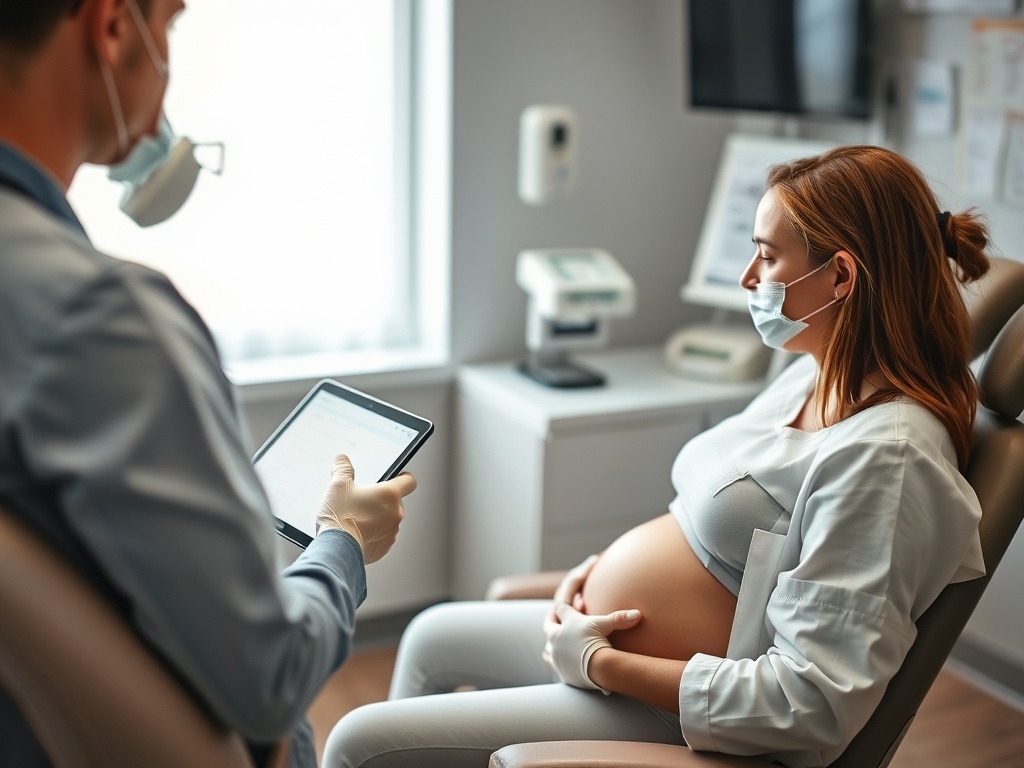
A dental visit during pregnancy should start with a careful health update. Share your due date, prenatal provider’s name, medications, allergies, blood pressure concerns, diabetes status, nausea or reflux symptoms, and any pregnancy complications. The dental team can position you comfortably and adjust the plan when needed.
Commonly discussed care includes:
- Dental exams and cleanings.
- X-rays when needed for diagnosis, using appropriate protection.
- Local anesthetic for necessary treatment.
- Fillings for active decay.
- Root canal treatment for infected or inflamed tooth pulp.
- Extractions when a tooth cannot be safely restored.
- Periodontal care when gum disease is present.
Pregnancy does not make oral infection safer to watch. If a cavity is causing pain or a gum infection is progressing, a dentist may recommend treatment rather than waiting until after delivery. This is especially relevant when gum inflammation or deeper periodontal problems are present; the signs discussed in advanced gum disease and tooth-saving decisions should not be dismissed because someone is pregnant.
Timing can be individualized. Some people feel best scheduling non-urgent treatment during the part of pregnancy when nausea and positioning are easiest for them, while urgent infection should be handled when it appears. The useful question is not simply “Which trimester?” but “What risk does waiting create?”
What can usually wait?
Cosmetic care that is not medically needed can often be delayed. Whitening, elective veneers, and purely appearance-focused changes are usually better planned after pregnancy, when nausea, gum sensitivity, and scheduling demands are easier to predict. That does not mean cosmetic questions are off limits. It simply means the timing and medical need should be separated.
If a chipped tooth is sharp or trapping food, a small repair may be reasonable. If the concern is only shade or smile design, the dentist may suggest revisiting the plan later. The same distinction applies to aesthetic decisions such as minor repairs with bonding or veneers.
Frequently asked pregnancy dental questions
Can I have dental X-rays?
Yes, when they are needed to diagnose a problem. Dentists use X-rays selectively, and pregnancy does not make a serious dental infection invisible. Ask why the image is needed, what it will change, and how protection will be used.
Is local anesthetic okay?
Local anesthetic is commonly used for dental treatment during pregnancy when needed. The dental team should know your pregnancy status and medical history so dosing and medication choice are appropriate.
What if brushing makes me nauseated?

Try a smaller toothbrush head, brush at a different time of day, or use bland-tasting fluoride toothpaste. If vomiting occurs, rinse with water and wait before brushing so acid-softened enamel is not scrubbed aggressively. Ask your prenatal clinician about persistent vomiting or reflux.
Are bleeding gums normal?
Bleeding gums are common, but common is not the same as harmless. Bleeding can signal gingivitis, plaque buildup, or deeper gum problems. A cleaning and home-care coaching may help reduce inflammation.
Should dental pain wait until after delivery?
No. Pain, swelling, fever, pus, trauma, or a broken tooth should be evaluated. Delaying infection can make treatment more complex.
Planning Notes for Pregnancy Dental Care
Schedule a routine visit if you are due for a cleaning, notice bleeding gums, have sensitivity, have a small chip, or want advice about brushing through nausea. Tell the office you are pregnant when booking.
Seek urgent dental care for facial swelling, fever, pus, severe toothache, trauma, uncontrolled bleeding, or pain that affects eating or sleeping. Emergency medical care is needed if swelling affects breathing or swallowing.
How to prepare for the appointment
Bring your medication list and prenatal provider details. Eat as advised by your healthcare team, and let the dental office know if lying flat is uncomfortable. Ask for breaks if you feel nauseated, lightheaded, or anxious. If you have a high-risk pregnancy, ask whether your prenatal clinician should share specific positioning, medication, or blood-pressure precautions with the dental office.
A helpful visit ends with a clear plan: what was treated, what can wait, what to watch, and how to care for your mouth at home. It may also include family prevention advice, because caregiver oral health can affect early childhood routines. For parents thinking ahead, the prevention issues in why kids miss school because of dental problems are easier to address before pain becomes the reason for a first dental conversation.
Questions About Pregnancy Dental Care
For Pregnancy Dental Care, this part of Questions About Pregnancy Dental Care focuses on the symptom history, previous treatment, current medicines, and the result the patient values most before consent is finalized, with the same details verified as the treatment sequence is documented.
A Calm Plan Before Delivery
Do not wait for a dental emergency to ask questions. Book an exam if you have symptoms or are overdue, coordinate with your prenatal care team when needed, and treat urgent problems promptly. The safest plan is usually the one that controls pain and infection early while avoiding care that is purely elective.
Warning Signs for Pregnancy Dental Care
For Pregnancy Dental Care, this part of Warning Signs for Pregnancy Dental Care focuses on stable symptoms versus swelling, fever, trauma, bleeding, drainage, or loss of function when the follow-up plan is written, with the same details verified as the treatment sequence is documented. The clinician should also explain how quickly the condition is changing and whether delay could increase risk for Pregnancy Dental Care as the long-term result is reviewed, using the examination and health history rather than a general assumption.
Key Takeaways for Pregnancy Dental Care
When deciding about Pregnancy and Dental Care: What’s Safe, What Changes, and What Shouldn’t Wait, leave with a written sequence and a specific point at which the plan will be reviewed again while comfort and function are assessed. The practical lesson from Pregnancy and Dental Care: What’s Safe, What Changes, and What Shouldn’t Wait is to connect each recommendation to the diagnosis, personal goal, and maintenance burden.

Samantha Reed
<b>Location:</b> San Jose, California Samantha Reed is a venture capitalist and startup advisor with deep expertise in early-stage investing and company building. Based in San Jose, in the heart of Silicon Valley, Samantha has backed more than 50 startups across fintech, healthtech, and developer tools. Her writing at Nano Write covers fundraising, product-market fit, and the strategies that turn promising ideas into scalable businesses. Samantha holds an MBA from Stanford and has been recognized by leading industry publications for her contributions to the startup ecosystem. She believes that great founders combine vision with execution and her articles help entrepreneurs sharpen both. Samantha is also a passionate advocate for diversity in venture capital and mentors women and underrepresented founders.
More from Samantha