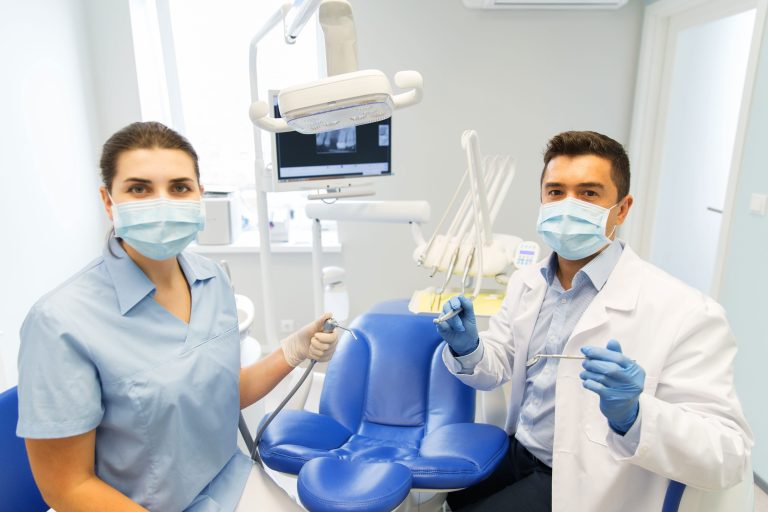
Sinus Lift Surgery Before Implants: When It’s Recommended

Sinus Lift Surgery Before Implants: When It’s Recommended A sinus lift may be recommended before dental implants when the upper back jaw does not have enough bone height to support an implant without entering the maxillary sinus space. It is a bone-grafting procedure used to…
Sinus Lift Surgery Before Implants: When It’s Recommended
A sinus lift may be recommended before dental implants when the upper back jaw does not have enough bone height to support an implant without entering the maxillary sinus space. It is a bone-grafting procedure used to create a stronger foundation for implants in selected cases, not a routine step for everyone missing upper molars or premolars.
Implant-planning quick take: A sinus lift is considered after imaging shows limited bone between the mouth and the sinus. The decision depends on anatomy, infection history, tooth-loss timing, sinus health, implant position, and whether grafting and implant placement can be done together or must be staged.
What the sinus has to do with implants
The maxillary sinuses sit above the upper back teeth. After upper molars or premolars are removed, the bone in that area may shrink. The sinus can also expand downward over time. When the remaining bone is too thin, an implant may not have enough stable support.
The American Association of Oral and Maxillofacial Surgeons explains in its resource on sinus augmentation before dental implants that the procedure adds bone between the upper jaw and maxillary sinus to create a base for implants. The surgeon lifts the sinus lining carefully and places graft material where additional bone is needed.
Planning Notes for Sinus Lift Surgery Implants
A sinus lift is usually discussed after a clinical exam and imaging. It may be recommended when:
- The missing tooth is in the upper back jaw.
- X-rays or CBCT imaging show limited vertical bone height.
- The sinus floor sits close to the planned implant site.
- Prior tooth loss, gum disease, infection, or trauma reduced bone.
- A shorter or angled implant is not appropriate for the case.
- A fixed implant restoration is preferred over other replacement options.
The recommendation should be specific. Ask which tooth space is affected, how much bone is present, where the sinus floor is, and what alternatives exist.
Imaging and candidacy
Panoramic X-rays may raise the question, but CBCT imaging often helps map the bone and sinus in three dimensions. The dentist or specialist will look for sinus anatomy, bone volume, neighboring roots, infection, and the planned prosthetic position. Implant planning should start with where the final tooth needs to be, then work backward to the implant and graft.
Not everyone is a good candidate right away. Active gum disease, smoking, uncontrolled medical conditions, untreated sinus disease, or infection at the implant site may need to be addressed first. A person considering implants should also have a general dental plan; choosing a provider who can explain sequencing is part of starting fresh with a new dentist.
How the procedure is commonly approached
There are different techniques. In a lateral-window approach, the surgeon accesses the sinus from the side of the upper jaw, lifts the sinus membrane, and places graft material. In a crestal or osteotome approach, access is through the implant site and may be used when less lift is needed. Sometimes the implant can be placed at the same appointment; other times the graft must heal first.
| Planning question | Why it matters |
|---|---|
| How much native bone remains? | Helps decide whether implant placement can happen with grafting |
| Is the sinus healthy? | Sinus disease may need medical evaluation first |
| Is there active dental infection? | Infection can compromise graft and implant planning |
| What restoration is planned? | The final crown or bridge position guides implant placement |
| What are the alternatives? | A bridge, partial denture, or no replacement may be reasonable in some cases |
Benefits, limits, and risks to discuss
The main benefit is creating enough bone for an implant in an area that otherwise may not support one. A sinus lift can make implant treatment possible for people who would not be candidates based on bone height alone.
The limits are just as important. Grafting adds complexity, cost, surgical steps, healing time, and follow-up. Risks can include sinus membrane perforation, infection, graft failure, sinus symptoms, bleeding, swelling, and the possibility that implant timing changes. Your surgeon should explain what would happen if the membrane tears, if graft healing is inadequate, or if sinus symptoms appear.

This is also not a cosmetic shortcut. If smile appearance is the main concern, procedures such as bonding or veneers for minor cosmetic repairs are unrelated to sinus grafting. A sinus lift is about bone support for implants in the upper back jaw.
Maintenance begins before surgery. A clean mouth, controlled gum inflammation, and a stable bite give the graft and future implant a better environment. If several teeth are missing, the implant plan should account for chewing forces across the whole arch, not only the empty space. This is especially important when a person has been chewing on one side for months or years, because muscles and bite patterns may have adapted.
Routine versus urgent situations
Sinus lift planning is usually routine. Book a consultation if you are missing upper back teeth and have been told there is not enough bone for implants, or if you want a second opinion on implant options.
Seek prompt dental care if you have swelling, drainage, fever, severe pain, or signs of infection around an extraction or implant site. Seek medical care for severe sinus symptoms, facial swelling that spreads, trouble breathing, or symptoms that feel systemic. Dental and medical teams may need to coordinate if sinus disease is involved.
What to ask before approving treatment
Ask who will perform the graft, what imaging is being used, what graft material is planned, whether implants are placed at the same time, and what signs should trigger a call after surgery. Also ask what the full replacement plan looks like, including the final tooth, maintenance, and what happens if grafting does not produce enough bone.
Questions About Sinus Lift Surgery Implants
For Sinus Lift Surgery Implants, this part of Questions About Sinus Lift Surgery Implants focuses on the symptom history, previous treatment, current medicines, and the result the patient values most while risks and alternatives are compared, with the same details verified as the treatment sequence is documented. The clinician should also explain which examination finding supports each recommendation and what information could change it for Sinus Lift Surgery Implants when the diagnosis is confirmed, using the examination and health history rather than a general assumption.
Building the Implant Plan From the Final Tooth Backward
A sinus lift makes sense only when it supports a clear tooth-replacement plan. Start with the final goal: a cleanable, functional implant restoration in the right position. Then decide whether sinus augmentation is the safest way to create the bone support needed for that goal.
Home Care and Follow-Up for Sinus Lift Surgery Before Implants: When It’s Recommended
For Sinus Lift Surgery Implants, this part of Home Care and Follow-Up for Sinus Lift Surgery Before Implants: focuses on safe cleaning tools, foods, products, and daily techniques when home-care instructions are prepared, with the same details verified as the treatment sequence is documented. The clinician should also explain which changes are expected and which should prompt an earlier call for Sinus Lift Surgery Implants when maintenance is discussed, using the examination and health history rather than a general assumption.
Planning Notes for Sinus Lift Surgery Implants During Planning
For Sinus Lift Surgery Implants, this part of Planning Notes for Sinus Lift Surgery Implants During Planning focuses on the clinical findings and the outcome the patient values most as the treatment sequence is documented, with the same details verified as the treatment sequence is documented. The clinician should also explain alternatives, limitations, timing, cost, and long-term upkeep for Sinus Lift Surgery Implants before the next appointment is booked, using the examination and health history rather than a general assumption.

Samantha Reed
<b>Location:</b> San Jose, California Samantha Reed is a venture capitalist and startup advisor with deep expertise in early-stage investing and company building. Based in San Jose, in the heart of Silicon Valley, Samantha has backed more than 50 startups across fintech, healthtech, and developer tools. Her writing at Nano Write covers fundraising, product-market fit, and the strategies that turn promising ideas into scalable businesses. Samantha holds an MBA from Stanford and has been recognized by leading industry publications for her contributions to the startup ecosystem. She believes that great founders combine vision with execution and her articles help entrepreneurs sharpen both. Samantha is also a passionate advocate for diversity in venture capital and mentors women and underrepresented founders.
More from Samantha