Dental Bonding vs Veneers for Minor Cosmetic Repairs

Dental Bonding vs Veneers for Minor Cosmetic Repairs For minor chips, small gaps, uneven edges, and isolated discoloration, bonding is often the more conservative and repairable option, while veneers are usually chosen when a broader, more durable cosmetic change is needed. The better choice depends…
Dental Bonding vs Veneers for Minor Cosmetic Repairs
For minor chips, small gaps, uneven edges, and isolated discoloration, bonding is often the more conservative and repairable option, while veneers are usually chosen when a broader, more durable cosmetic change is needed. The better choice depends on enamel health, bite forces, shade goals, how many teeth show when smiling, and how much tooth structure the plan would change.
Cosmetic-repair quick take: Bonding adds tooth-colored resin directly to the tooth and can often preserve more natural structure. Veneers cover the front of the tooth and can create a more uniform smile, but many veneer plans are not reversible. A consultation should include bite evaluation, gum health, photos, shade discussion, and a maintenance plan.
How bonding works
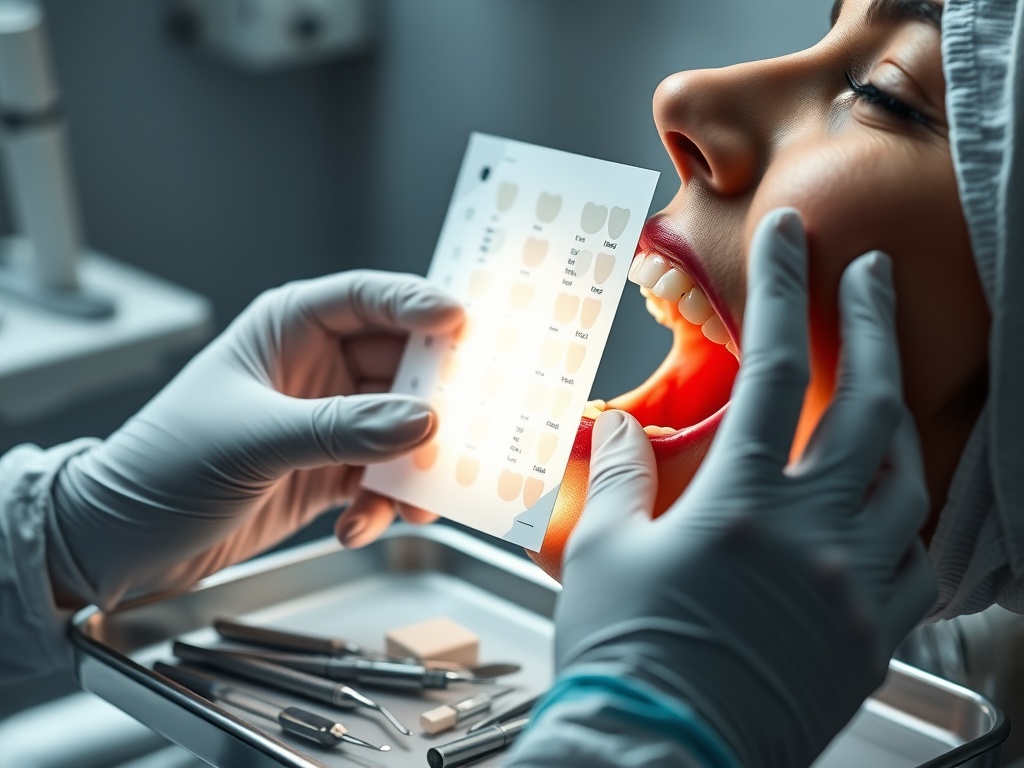
Dental bonding uses tooth-colored composite resin that is shaped on the tooth and hardened with a curing light. It can repair a small chip, close a tiny space, smooth a worn edge, or cover a localized defect. The cleveland clinic overview of dental bonding describes bonding as a cosmetic procedure using composite resin to change shape, color, gaps, or chips.
Bonding is usually more conservative than porcelain veneers because little or no enamel may need to be removed in many small repairs. It is also easier to touch up if a corner chips. The trade-off is that resin can stain, wear, or lose polish sooner than ceramic. People who bite nails, chew pens, grind heavily, or use front teeth as tools may chip bonding more often.
How veneers work
A veneer is a custom covering for the front surface of a tooth. The ADA’s MouthHealthy page on dental veneers explains that veneers can improve chipped, stained, crooked, misshapen, or gapped teeth and that treatment is not reversible when enamel is removed. Veneers may be porcelain or composite, and the preparation depends on the case.
Veneers can be useful when several front teeth need a coordinated change in color, contour, length, or symmetry. They can also mask discoloration that does not respond well to whitening. The dentist should first treat decay, gum disease, or bite problems, because placing cosmetic work over unhealthy teeth can make problems worse.
Side-by-side decision table
| Decision point | Bonding may fit better when… | Veneers may fit better when… |
|---|---|---|
| Size of repair | One small chip, edge, or gap needs repair | Several visible teeth need a coordinated change |
| Tooth structure | Preserving enamel is the main priority | Some enamel preparation is acceptable for the goal |
| Shade goal | The tooth color is already close to the desired shade | Color change is broader or discoloration is difficult to mask |
| Maintenance | Occasional polishing or repair is acceptable | A longer-lasting surface is a higher priority |
| Bite risk | Bite forces are light and habits are controlled | The bite can support restorations after planning |
Cost, comfort, and longevity without guessing numbers
Prices vary by location, materials, number of teeth, provider training, and whether the repair is cosmetic or medically necessary. Instead of relying on online averages, ask for a written estimate that separates diagnosis, whitening if needed, bonding, veneers, guards, and replacement expectations.
Comfort also depends on the plan. Small bonding repairs may not require much anesthesia. Veneers may involve enamel shaping, impressions or scans, temporaries, and a final bonding visit. Neither option should be presented as risk-free. Teeth can still decay around cosmetic work, gums can become inflamed if margins are hard to clean, and restorations can chip.
Ask how replacement is handled. Bonding may be polished, patched, or redone when it stains or chips. Veneers may need rebonding, repair, or replacement if they fracture or loosen. A realistic plan should include maintenance, not just the day the smile looks new.
The gum and bite check most people skip
Before choosing a material, the dentist should check gums, bone support, cavities, existing fillings, tooth cracks, and bite movement. If the gums are inflamed, cosmetic margins may be hard to design. If a tooth is mobile or periodontal support is reduced, cosmetic repair should wait until stability is clear. That is why a person with bleeding gums may need to address the tooth-support issues explained in advanced gum disease treatment planning before spending money on front-tooth appearance.

A gummy smile can also change the decision. If too much gum tissue shows, veneers alone may make the teeth look longer without solving the true cause. In that situation, it may be better to understand what causes a gummy smile before choosing bonding or veneers.
Questions About Dental Bonding vs Veneers Minor Cosmetic Repairs
- What problem are we solving: shape, shade, spacing, wear, or symmetry?
- Is whitening recommended before shade matching?
- How much enamel would be removed?
- What happens if the repair chips?
- Will I need a nightguard?
- Are my gums healthy enough for cosmetic margins?
- What maintenance should I expect?
- What would happen if I did nothing for now?
Ask to see photos of cases with similar starting points, but remember that photos do not guarantee your result. Your tooth color, lip movement, gumline, bite, and habits are individual. Also ask to preview the shape change before committing. A mock-up can reveal when a tiny edge repair is enough, or when a wider smile plan is being proposed.
Questions About Dental Bonding vs Veneers Minor Cosmetic Repairs During Planning
Cosmetic repair is usually not urgent. Book a routine appointment for a small chip, old bonding that looks stained, a minor gap, or a rough edge that is not cutting the tongue. Seek prompt care if a tooth breaks deeply, pain starts, the nerve area looks exposed, swelling appears, or trauma loosened a tooth. If a broken edge is sharp, dental wax can protect the tongue until you are seen.
Questions About Dental Bonding vs Veneers Minor Cosmetic Repairs Before Treatment
For Dental Bonding vs Veneers Minor Cosmetic Repairs, this part of Questions About Dental Bonding vs Veneers Minor Cosmetic Repairs Before focuses on the symptom history, previous treatment, current medicines, and the result the patient values most while cost and timing are compared, with the same details verified as the treatment sequence is documented.
Clinical Checks for Dental Bonding vs Veneers Minor Cosmetic Repairs
For Dental Bonding vs Veneers Minor Cosmetic Repairs, this part of Clinical Checks for Dental Bonding vs Veneers Minor Cosmetic Repairs focuses on confirmed findings, measurements, imaging, and health-history factors after the examination is explained, with the same details verified as the treatment sequence is documented. The clinician should also explain what remains uncertain and whether another test or specialist opinion would alter the plan for Dental Bonding vs Veneers Minor Cosmetic Repairs while risks and alternatives are compared, using the examination and health history rather than a general assumption.
Choosing the Smaller Change First
For a minor defect on one or two teeth, ask whether bonding can solve the problem with less alteration. For a larger smile change, ask for a phased plan that explains whitening, gum health, mock-ups, temporary designs, and long-term maintenance. The smartest cosmetic choice is the one that improves appearance without ignoring biology.
Timing and Recovery for Dental Bonding vs Veneers Minor Cosmetic Repairs
Planning Dental Bonding vs Veneers for Minor Cosmetic Repairs also means discussing effects on work, school, travel, eating, driving, exercise, and caregiving responsibilities. Before scheduling Dental Bonding vs Veneers for Minor Cosmetic Repairs, ask how delays, missed visits, or slower healing could change comfort, cost, and the final result before consent is finalized. The timeline for Dental Bonding vs Veneers for Minor Cosmetic Repairs should include diagnosis, preparation, treatment, healing, adjustment, and maintenance rather than only the main appointment.
Home Care and Follow-Up for Dental Bonding vs Veneers for Minor Cosmetic Repairs
Long-term success with Dental Bonding vs Veneers for Minor Cosmetic Repairs is easier to protect when daily cleaning and maintenance instructions are written clearly when the diagnosis is confirmed. Home care related to Dental Bonding vs Veneers for Minor Cosmetic Repairs should match the material involved, the condition of the tissues, and the stage of healing.

Samantha Reed
<b>Location:</b> San Jose, California Samantha Reed is a venture capitalist and startup advisor with deep expertise in early-stage investing and company building. Based in San Jose, in the heart of Silicon Valley, Samantha has backed more than 50 startups across fintech, healthtech, and developer tools. Her writing at Nano Write covers fundraising, product-market fit, and the strategies that turn promising ideas into scalable businesses. Samantha holds an MBA from Stanford and has been recognized by leading industry publications for her contributions to the startup ecosystem. She believes that great founders combine vision with execution and her articles help entrepreneurs sharpen both. Samantha is also a passionate advocate for diversity in venture capital and mentors women and underrepresented founders.
More from Samantha