What Causes a Gummy Smile—and Which Treatments Address It

A gummy smile can come from the teeth, gums, lips, jaw, or a combination of several factors, so treatment should start with diagnosis rather than a single cosmetic fix. The right option may be as simple as reshaping excess gum tissue or as complex as…
A gummy smile can come from the teeth, gums, lips, jaw, or a combination of several factors, so treatment should start with diagnosis rather than a single cosmetic fix. The right option may be as simple as reshaping excess gum tissue or as complex as orthodontics, jaw surgery, or coordinated care across specialties.
Smile-display quick take: A gummy smile is usually an aesthetic concern, not a disease by itself. The cause determines the treatment. A dentist should evaluate gum health, tooth eruption, lip movement, bite, facial proportions, and medications before recommending injections, gum contouring, orthodontics, veneers, or surgery.
What “gummy smile” means
Dentists often use the term excessive gingival display when more gum tissue shows during a full smile than the person wants. The exact threshold is not universal because smile preferences vary. The NCBI Bookshelf review on excessive gingival display notes that a small amount of gum display can be normal and that diagnosis depends on identifying the cause.
This is why online before-and-after photos can be misleading. Two people may both show gum tissue, but one may have short-looking teeth hidden by gum tissue, another may have a very active upper lip, and another may have vertical jaw growth. The treatment that helps one person may not help the other.
Main causes dentists look for
Altered passive eruption
Sometimes the teeth are normal size, but gum tissue covers too much of the crowns. The teeth look short or square because the gumline did not move to its expected position after eruption. A periodontal exam and X-rays help determine whether gum contouring alone is enough or whether bone reshaping is needed.
Gum enlargement
Gums can look bulky because of inflammation, plaque buildup, certain medications, mouth breathing, orthodontic appliances, or systemic factors. In this case, treating inflammation and reviewing medical history should come before cosmetic reshaping.
A hypermobile upper lip
Some lips rise higher than average during smiling. Teeth and gums may be healthy, but the lip exposes more tissue. Options may include botulinum toxin in selected cases, lip repositioning, or no treatment if the person decides it is not worth intervening.
Jaw or tooth-position causes
Vertical maxillary excess, overeruption of front teeth, and bite relationships can all increase gum display. These cases may need orthodontic or surgical planning. Veneers alone may not correct the reason the gums show.
How the evaluation usually works
A good evaluation includes more than asking you to smile. The dentist may take photos at rest and during natural smiling, measure tooth proportions, check gum thickness and pocket depths, review X-rays, and assess the bite. For more complex skeletal questions, orthodontic or oral surgery input may be needed.
| Possible cause | Common clue | Treatment direction |
|---|---|---|
| Gum tissue covers enamel | Teeth look short but may be normal size | Gingivectomy or crown lengthening may be discussed |
| Inflamed or enlarged gums | Puffy gums, bleeding, plaque, medication history | Hygiene therapy, medical review, then reshaping if needed |
| Hypermobile lip | Teeth look normal, lip lifts high when smiling | Muscle-relaxing injections or lip repositioning may be considered |
| Vertical jaw growth | Long lower face, high gum display, bite concerns | Orthodontic and surgical evaluation may be needed |
Treatment options, from least to most involved
The least invasive step may be improving gum health. If gum swelling is making display worse, a cleaning, home-care changes, and medication review may reduce the bulk. This is not glamorous, but it is often the foundation for cosmetic planning.
Gum contouring or crown lengthening may help when too much gum tissue covers the tooth. Injections may help selected lip-mobility cases, but effects are temporary and technique-sensitive. Orthodontics may move teeth and gumlines into a better relationship. Jaw surgery is usually reserved for skeletal causes when the person wants a major correction and understands the risks and recovery.
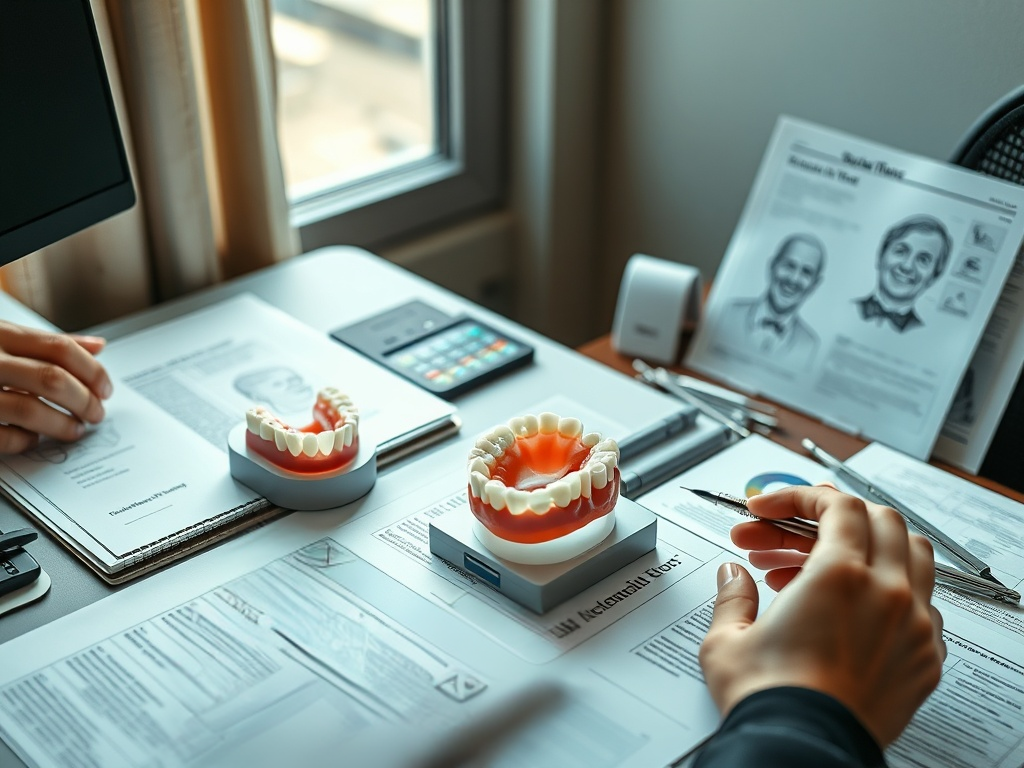
Cosmetic dentistry can still have a role. If tooth shape or shade is also part of the concern, the dentist may coordinate gum treatment with whitening, bonding, or veneers. The distinction between bonding and veneers for minor cosmetic repairs becomes important after the gumline plan is clear.
What not to rush
Do not start with irreversible enamel removal if the main issue is gum position or jaw structure. Do not choose injections without knowing whether the lip is actually the main cause. Do not assume every gummy smile needs surgery. And do not let a cosmetic plan ignore inflamed gums.
Shade, budget, and timing also matter. If whitening is planned, it usually needs to happen before shade matching for restorations. If gum reshaping is part of treatment, final cosmetic work may need to wait until tissues settle. If implants or upper back-tooth bone issues are part of a larger full-mouth plan, a separate topic such as sinus lift surgery before implants may enter the sequence, but only when tooth replacement is involved.
A preview can help, but it should not replace diagnosis. Digital mock-ups, temporary materials, and photo simulations may clarify the goal, yet they cannot show how gums will heal, how the bite will function, or whether the cause has been corrected.
Routine appointment or referral?
Book a routine cosmetic or periodontal consultation if you dislike gum display, have short-looking teeth, or want to understand your options. Bring smile photos you like, but be ready to discuss health and bite first.
Seek dental care sooner if the gums are swollen, bleeding heavily, painful, growing quickly, or changing after a medication change. A medical or dental evaluation is also important if gum enlargement appears with other symptoms. Cosmetic reshaping should wait until disease and medication-related causes are considered.
Questions About Causes Gummy Smile Which Treatments Address
For Causes Gummy Smile Which Treatments Address, this part of Questions About Causes Gummy Smile Which Treatments Address focuses on the symptom history, previous treatment, current medicines, and the result the patient values most when a second opinion is considered, with the same details verified as the treatment sequence is documented.
Clinical Checks for Causes Gummy Smile Which Treatments Address
Before accepting a plan for What Causes a Gummy Smile—and Which Treatments Address It, request a plain-language explanation of what would make the diagnosis or treatment sequence change after the examination is explained. A sound decision about What Causes a Gummy Smile—and Which Treatments Address It begins with the findings that can be seen, measured, photographed, or confirmed on dental imaging.
A Smile Plan That Starts With the Cause
Ask your dentist to name the cause before naming the procedure. A useful plan should answer three questions: what tissue is creating the display, which options address that tissue, and which parts of the plan are reversible. When the diagnosis is clear, the cosmetic decision becomes much less confusing.
Warning Signs for Causes Gummy Smile Which Treatments Address
For Causes Gummy Smile Which Treatments Address, this part of Warning Signs for Causes Gummy Smile Which Treatments Address focuses on stable symptoms versus swelling, fever, trauma, bleeding, drainage, or loss of function before temporary care is replaced, with the same details verified as the treatment sequence is documented. The clinician should also explain how quickly the condition is changing and whether delay could increase risk for Causes Gummy Smile Which Treatments Address as the treatment sequence is documented, using the examination and health history rather than a general assumption.
Timing and Recovery for Causes Gummy Smile Which Treatments Address
Planning What Causes a Gummy Smile—and Which Treatments Address It also means discussing effects on work, school, travel, eating, driving, exercise, and caregiving responsibilities. Before scheduling What Causes a Gummy Smile—and Which Treatments Address It, ask how delays, missed visits, or slower healing could change comfort, cost, and the final result before consent is finalized. The timeline for What Causes a Gummy Smile—and Which Treatments Address It should include diagnosis, preparation, treatment, healing, adjustment, and maintenance rather than only the main appointment.

Samantha Reed
<b>Location:</b> San Jose, California Samantha Reed is a venture capitalist and startup advisor with deep expertise in early-stage investing and company building. Based in San Jose, in the heart of Silicon Valley, Samantha has backed more than 50 startups across fintech, healthtech, and developer tools. Her writing at Nano Write covers fundraising, product-market fit, and the strategies that turn promising ideas into scalable businesses. Samantha holds an MBA from Stanford and has been recognized by leading industry publications for her contributions to the startup ecosystem. She believes that great founders combine vision with execution and her articles help entrepreneurs sharpen both. Samantha is also a passionate advocate for diversity in venture capital and mentors women and underrepresented founders.
More from Samantha