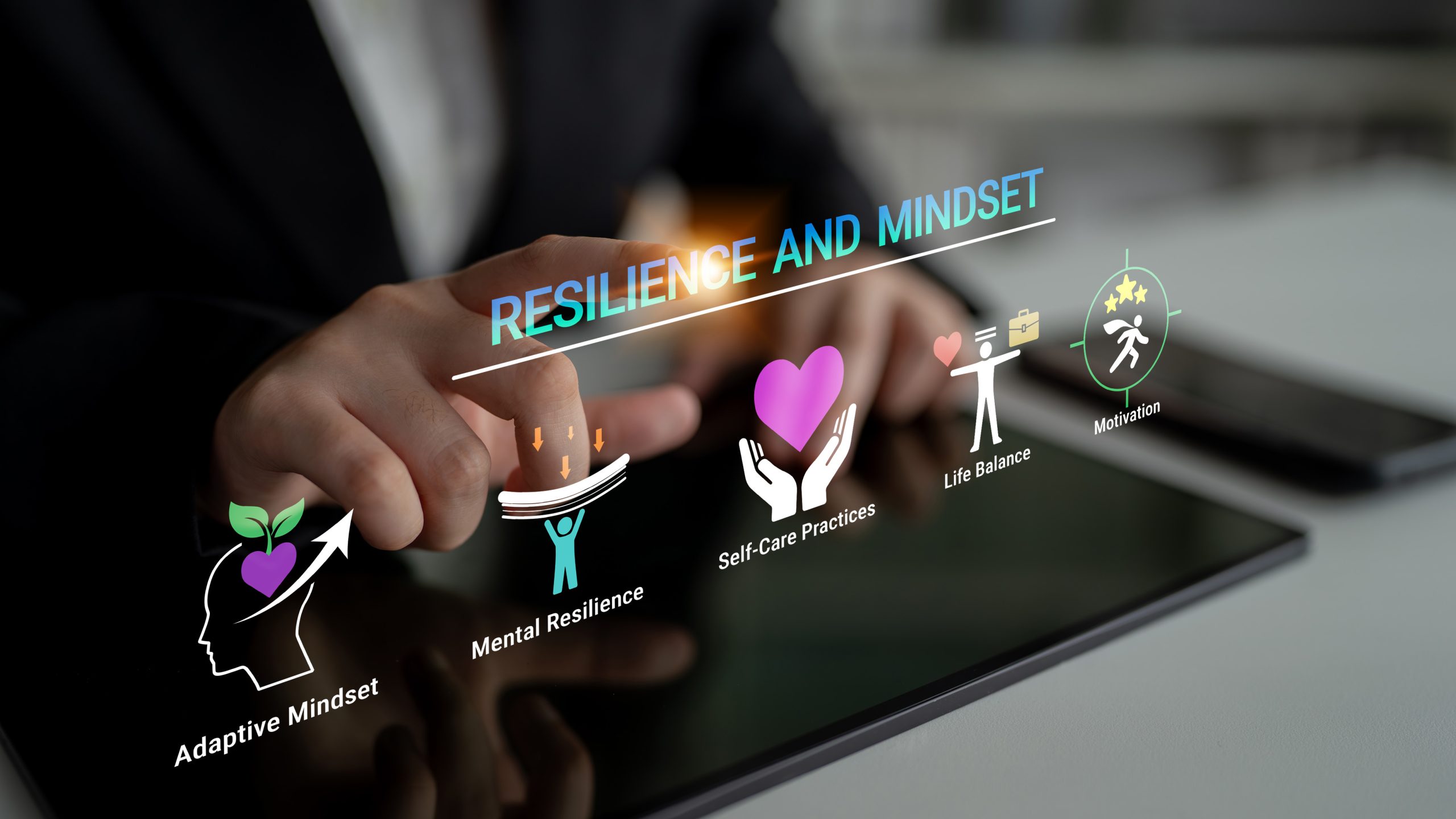
How to Build Resilience When Progress Feels Slow

Slow progress can make a reasonable plan feel ineffective long before the body has had time to show the result. Resilience helps by shifting the question from “Why am I not changing fast enough?” to “What can I keep doing while I learn what this…
Slow progress can make a reasonable plan feel ineffective long before the body has had time to show the result. Resilience helps by shifting the question from “Why am I not changing fast enough?” to “What can I keep doing while I learn what this phase requires?”
TL;DR Resilience in fitness is not forcing yourself through every setback. It is the ability to keep a workable routine, adjust when life or recovery changes, and return after interruptions without turning a slow period into a complete stop. Measure behaviors you can control alongside outcomes that naturally take longer to change.
That does not mean ignoring evidence that a plan needs adjustment. It means separating a slow outcome from a failed process.
Expect progress to be uneven
Strength, body weight, endurance, mobility, and habit consistency do not improve in straight lines. Training stress, recovery, work demands, illness, menstrual cycle changes, travel, and normal measurement noise can hide improvement temporarily.
A plateau becomes useful information when it lasts long enough to identify a pattern. One flat week is not the same as several months of unchanged performance under a consistent plan. Give the outcome an appropriate time horizon before declaring that nothing works.
If you use age-like fitness scores or wearables, this is especially important. The article on fitness age versus chronological age explains why composite scores can move more slowly or noisily than the underlying behavior.
Keep a “minimum viable” version of the routine
Resilience is easier when your plan has a lower gear. Define the smallest version of training that still keeps the habit alive during unusually busy or stressful weeks. That might be two short full-body sessions instead of four longer workouts, a 20-minute walk instead of a planned interval run, or one simple meal template instead of a complex food-prep schedule.
The minimum is not the new long-term target. It is a bridge that prevents an interruption from becoming abandonment.
The NIDDK guide to changing health habits describes behavior change as a process that includes preparation, action, maintenance, roadblocks, and setbacks. That framing is useful because it treats a setback as part of behavior change rather than evidence that you lack discipline.
Three myths that make slow progress harder
Myth: If the scale, pace, or load did not improve this week, the plan failed. Short windows are often too noisy to judge an outcome. A more useful test is whether the process has been consistent long enough to evaluate.
Myth: Resilience means never reducing the plan. In practice, the ability to downshift during illness, deadlines, poor recovery, or family demands can preserve more long-term training than repeatedly trying to force a full schedule.
Myth: A setback erases previous progress. Fitness can decline during extended inactivity, but one missed week does not return every capacity to zero. Restart from your current tolerance and rebuild instead of trying to “make up” lost sessions in a few days.
Track process goals next to outcome goals
Outcome goals matter: lift more weight, run faster, lose weight if appropriate, improve a health marker. But outcomes often lag. Process goals give you shorter feedback loops.
Useful process measures include sessions completed, planned walks taken, average sleep opportunity, meals built from your chosen structure, or weeks in which you kept a recovery day. These are not substitutes for outcomes. They tell you whether the plan is being executed well enough to judge it.
If the process is inconsistent, improve consistency before redesigning the program. If the process is consistent and the outcome remains flat for an appropriate period, then adjust the plan.

Replace motivation with friction management
Waiting to feel motivated makes fitness vulnerable to mood. Instead, reduce the number of obstacles between intention and action. Put training times on the calendar, keep equipment accessible, choose a gym route that fits your commute, or prepare the first meal component in advance.
The current CDC guidance on overcoming activity barriers recommends practical responses to common barriers such as lack of time, social support, energy, skill, or access. The useful principle is to solve the specific obstacle instead of applying a generic “try harder” message.
For example, if the barrier is time, shorten the session. If it is uncertainty, reduce exercise variety. If it is social pressure, make the commitment with another person. If it is fatigue, review whether the program is too demanding before adding more motivational tactics.
Use setbacks as a restart protocol
Decide in advance what happens after you miss a workout or overeat. A restart protocol might be: return to the next planned session, use normal meals, avoid compensation, and review why the disruption happened only if it is recurring.
This prevents one event from creating a chain of extreme corrections. Missing Monday does not require a double workout Tuesday. A large dinner does not require fasting all next day. The faster you return to normal structure, the less power a single deviation has.
For weight-management goals, losing weight without turning every meal into math provides a structure that can be easier to resume after disrupted days than a highly detailed tracking system.
Distinguish discomfort from warning signs
Building resilience is not the same as training through injury or serious symptoms. Normal effort, mild muscle soreness, and temporary frustration are different from sharp pain, neurological symptoms, fainting, chest pain, or worsening illness.
Psychologically, there is also a difference between ordinary disappointment and a pattern in which exercise or food rules are becoming compulsive, punitive, or socially isolating. In those cases, the resilient move may be to reduce pressure and seek qualified support rather than intensify the plan.
Review the plan without rewriting your identity
When progress is slow, evaluate variables rather than character. Ask whether the goal is realistic, whether the training dose has progressed, whether recovery is adequate, and whether the plan fits current life demands.
If several readiness markers are repeatedly poor, the framework in training readiness signals can help you decide whether the issue is temporary fatigue or a pattern worth addressing.
Change one thing at a time when possible. Adding more cardio, cutting food intake, changing the strength program, and reducing rest days all at once creates a new problem: you cannot tell which change helped or harmed.
Measure the comeback, not just the outcome
A resilient fitness system is one you can return to. Over a year, the person who restarts after travel, illness, deadlines, and disappointing weeks may make more progress than the person who follows a perfect plan for six weeks and then stops.
Keep your minimum routine clear, track a few controllable behaviors, and give outcomes enough time to be meaningful. When the evidence says the plan needs adjustment, adjust it. When the evidence says life is simply messy this week, use the lower gear and keep the connection to the habit.

Dr. Sophia Alvarez
<b>Location: </b>Chicago, Illinois Dr. Sophia Alvarez is a computational biologist and health tech researcher exploring the application of data science to personalized medicine and drug discovery. Based in Chicago, home to world-class medical and research institutions, Sophia holds a PhD in Computational Biology and has worked on projects ranging from genomics to clinical trial optimization. Her writing at Nano Write covers the intersection of healthcare, data, and technology, from AI in diagnostics to the business of healthtech startups. Sophia is passionate about making healthcare more precise and more accessible, and her articles reflect a deep understanding of both the science and the human dimensions of medicine. Outside of her research, Sophia advises healthtech startups and speaks at conferences on the future of healthcare.
More from Dr. Sophia