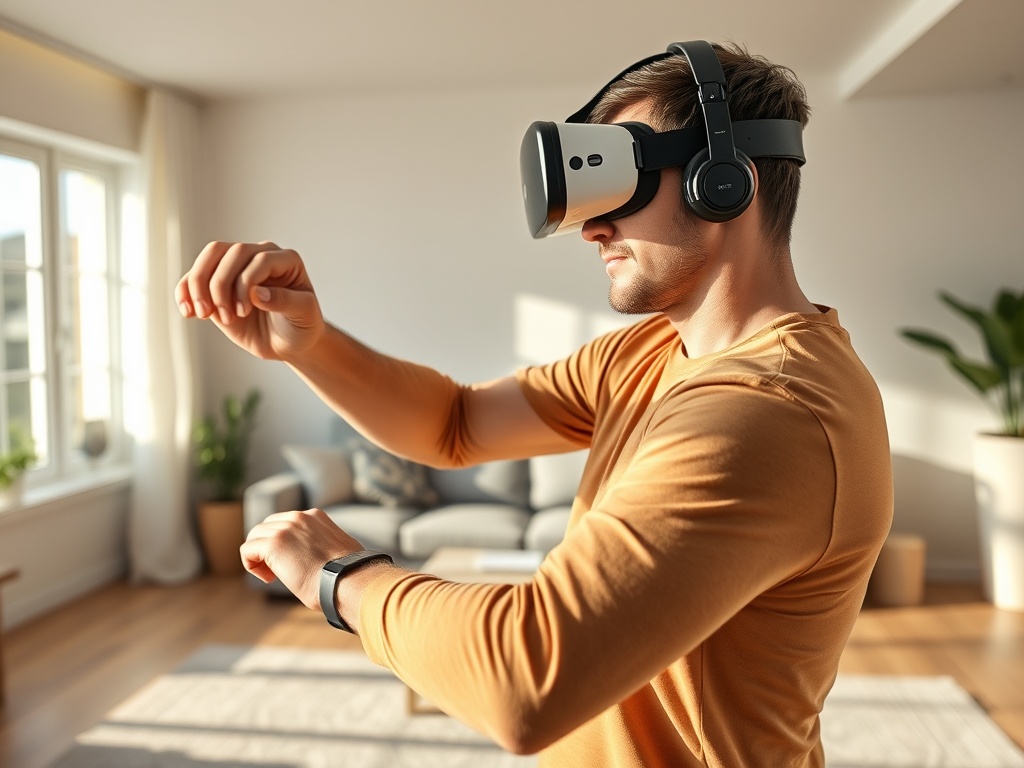
The Best Use Cases for AR and VR Workouts Right Now

Augmented reality (AR) and virtual reality (VR) are useful fitness tools when the technology changes behavior in a helpful way: it makes…
Read More

How to Set Realistic Goals When Health and Fitness Are Not Your Only Priorities

Fitness can be important without being the highest priority in your life. A realistic goal respects work, family, caregiving, health, study, relationships,…
Read More

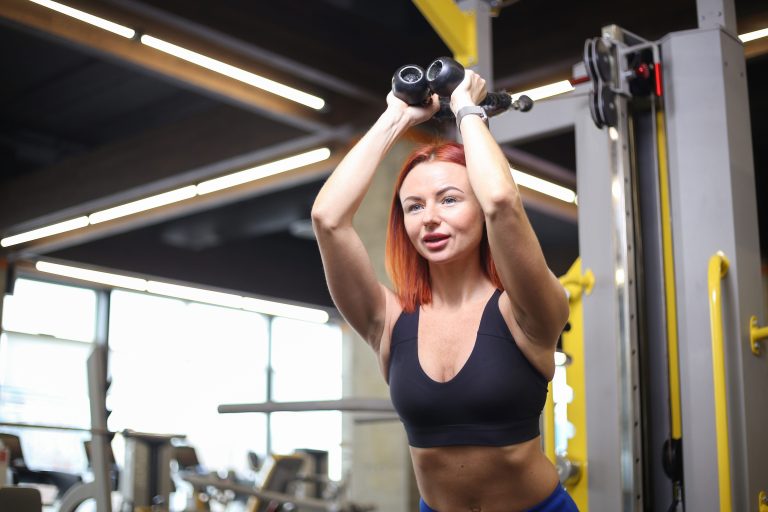
How to Build Upper-Body Strength as a Woman Who Has Never Trained Before

Building upper-body strength from zero is mostly a skill-and-progression problem, not a gender-specific mystery. The first goal is to learn a few…
Read More

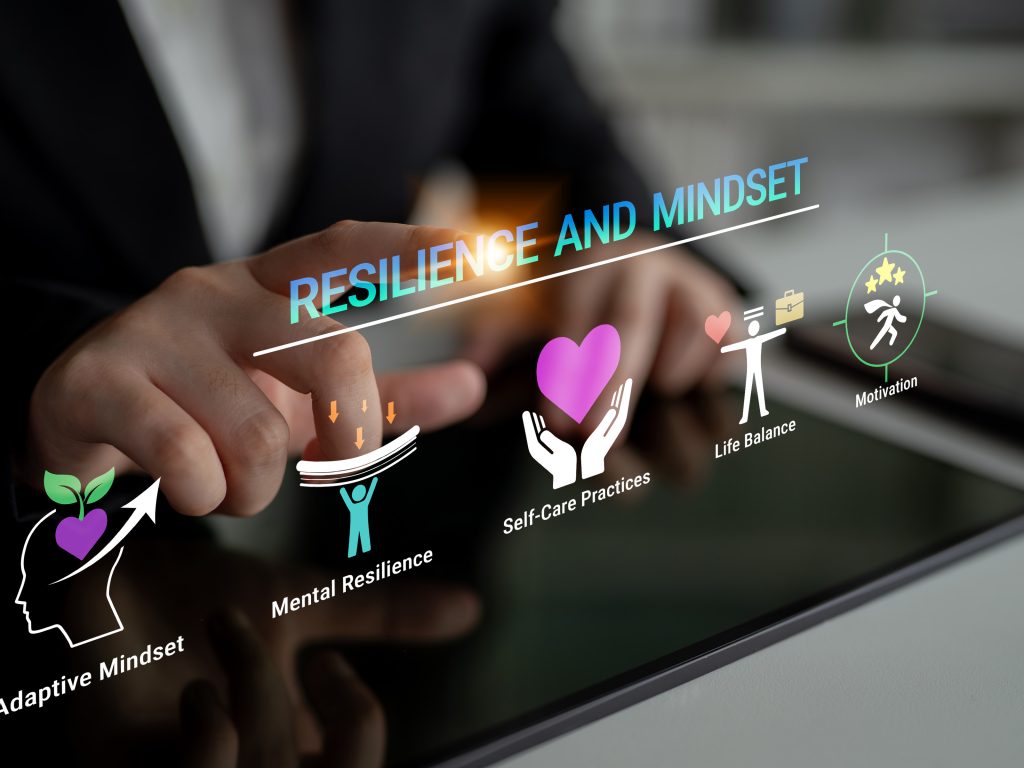
How to Build Resilience When Progress Feels Slow

Slow progress can make a reasonable plan feel ineffective long before the body has had time to show the result. Resilience helps…
Read More

How to Use Training Readiness Signals Without Overreacting

A readiness score can make recovery feel precise, but the number is only an estimate built from whatever the device or questionnaire…
Read More

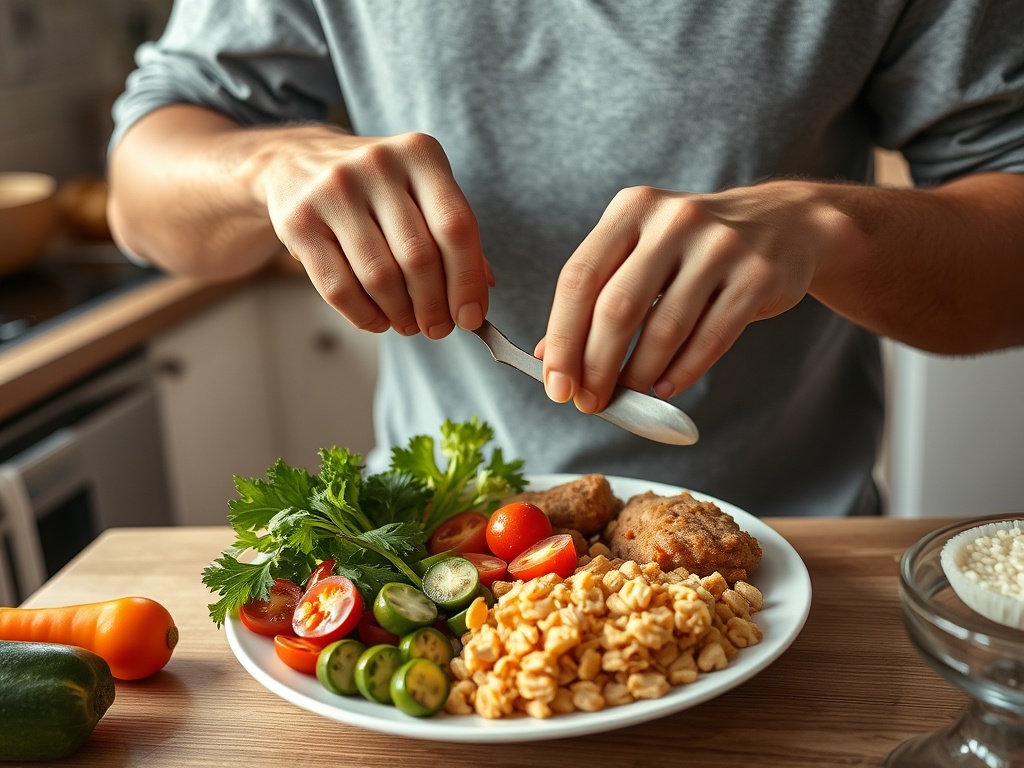
How to Lose Weight Without Turning Every Meal Into a Math Problem

Weight loss does not require you to know the exact calorie value of every meal, but it does require a pattern that,…
Read More

Does Meal Timing Matter If You Only Care About Fat Loss?

Meal timing can influence how a diet feels and how easy it is to follow, but it should not be confused with…
Read More

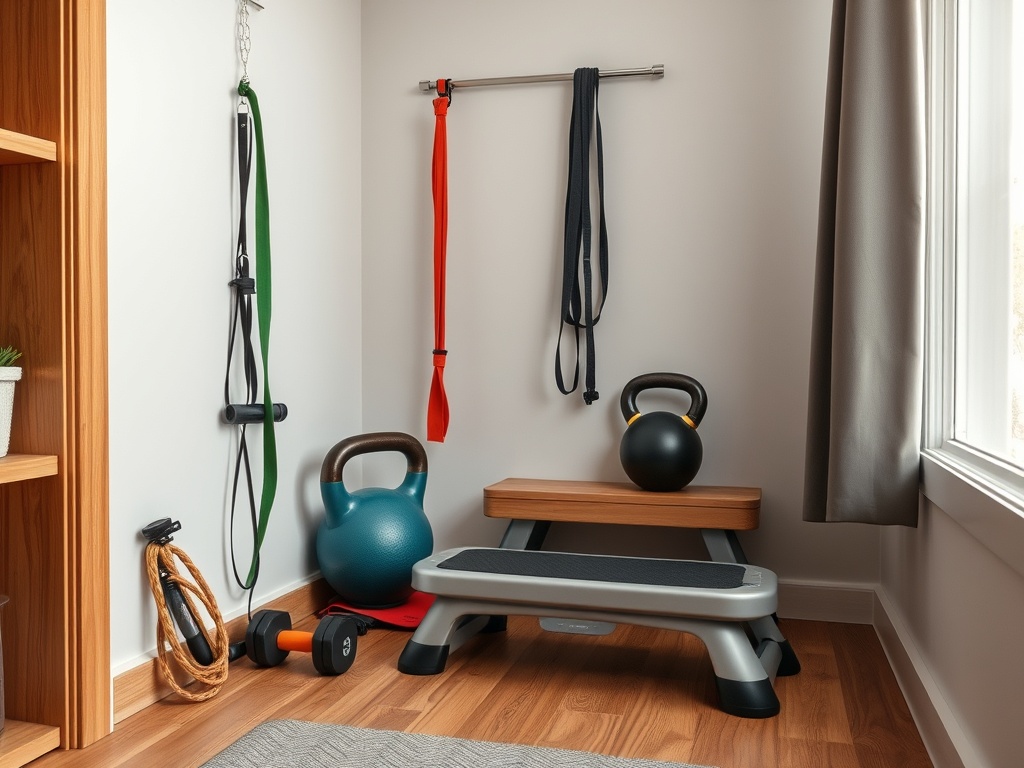
The Best Conditioning Tools for Home Workouts

Home conditioning is less about owning “cardio equipment” and more about creating repeatable ways to raise effort, sustain it, and recover from…
Read More

How to Use Training Logs to Get Stronger Faster

A good training log is not a diary of every sensation in the gym; it is a decision tool. Its purpose is…
Read More

Fitness Age vs Chronological Age: What It Means and How to Improve It

Fitness age is best understood as a comparison tool, not a second birthday. Depending on the calculator or device, it may translate…
Read More